


Austria's Farmers Battle Historic Drought, Prices May Rise
Translated from German, summarized and contextualized by DistantNews.
At a glance
News
Named sources
Context piece
- Austria is experiencing its second driest first half of the year since records began, with some regions facing the driest period ever.
- Farmers are struggling with drought conditions, leading to crop failures, reduced yields, and the need to use winter fodder reserves earlier than usual.
- While European drought conditions may stabilize prices globally, local impacts could lead to increased consumer costs for products like potatoes.
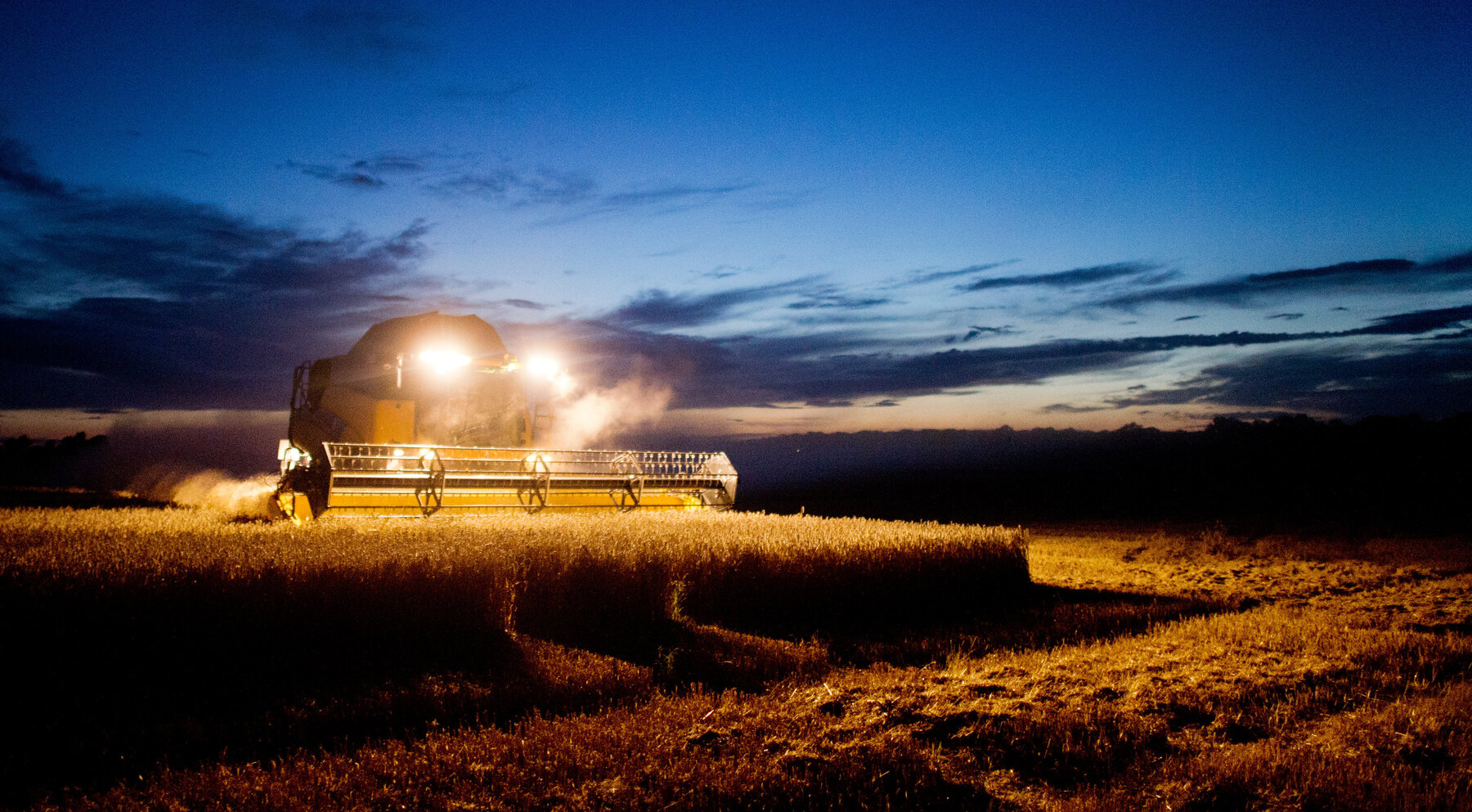
Austria's agricultural sector faces a historic challenge as the country endures its second driest first half of the year on record. The persistent drought, attributed to climate change, has left fields parched and meadows brown across the nation. In Lower Austria, Upper Austria, and Salzburg, the first half of 2026 has been the driest ever recorded, raising concerns that this year could become a new record for drought.
The dry spell is already impacting dairy farmers, who are unable to harvest a second cutting of hay from their fields. Many are forced to dip into winter fodder reserves, anticipating a need to purchase additional feed later. This situation is compounded by similar dry conditions across Europe, which could drive up feed costs and eventually affect consumer prices.
Crop yields are also suffering significantly. Field crop specialists report that some corn has withered, and sugar beets are stunted, resembling carrots. Potato crops, primarily grown in the sparsely rained Lower Austria, are also affected. Farmers are resorting to watering fields at night, a strenuous effort that yields smaller and fewer potatoes. While last year's harvest was good, this year's reduced output is expected to lead to higher consumer prices.
High temperatures are also exacerbating pest problems, particularly affecting lettuce, kohlrabi, and young onions. Weakened plants are less able to defend themselves against pests, further damaging crops. Autumn crops like corn, sugar beets, potatoes, soybeans, sunflowers, and pumpkins remain at risk, with current rainfall unlikely to significantly boost yields at this late stage. The year has been marked by unusual weather patterns and temperature fluctuations, impacting crops like wheat, barley, and rye, which developed too quickly in spring, reducing their starch content and overall yield and quality.
DistantNews Editorial
Originally published by Die Presse in German. Translated, summarized, and contextualized by our editorial team with added local perspective. Read our editorial standards.
More Stories


From Our Blog

What Gets Lost (and Found) When News Is Translated

The Critical Role of Diaspora Media in Global News

What Travellers Should Know About Countries with Restricted Press

A Digital Nomad's Guide to Following Local News

How the Same Story Looks Different in Different Countries
