


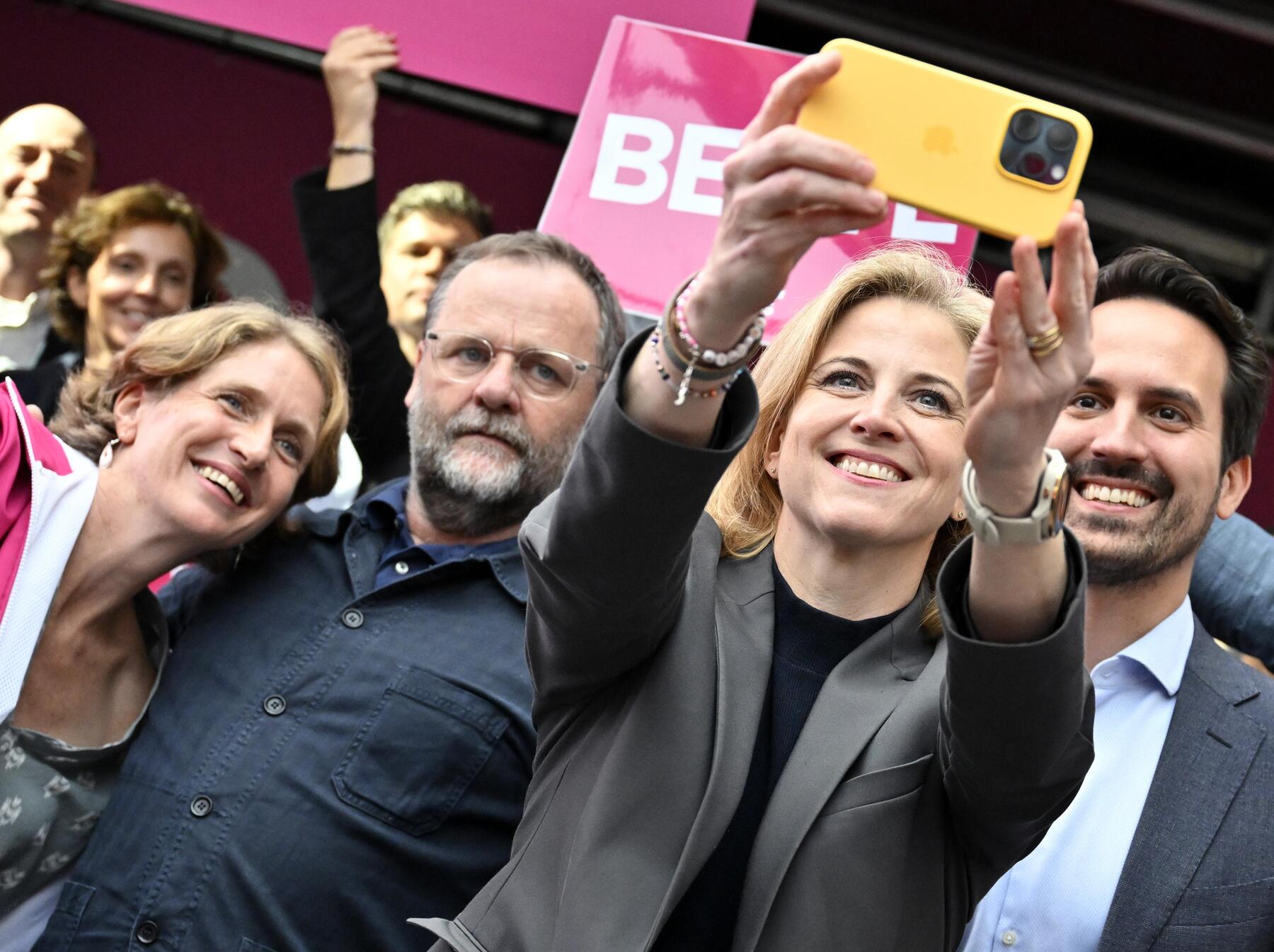
Austria's NEOS in government: Has it been worth it?
Translated from German, summarized and contextualized by DistantNews.
At a glance
Analysis
Named sources
Context piece
- Austria's NEOS party, founded in 2012 as an alternative to the Grand Coalition, is now in government with the ÖVP and SPÖ, facing internal debate about its role.
- The party expelled its founder, Veit Dengler, after he recorded an internal meeting and publicly criticized the NEOS for not achieving enough reforms in the coalition.
- Key NEOS demands like lowering ancillary labor costs were partially met, but the party conceded on market interventions such as fuel and rent price caps and expressed dissatisfaction with the lack of progress on pension reform.
Founded in 2012 as an alternative to Austria's traditional Grand Coalition, the NEOS party has been part of the governing coalition with the ÖVP and SPÖ for nearly eighteen months. This government participation has fueled internal discussions, with a growing list of prominent critics within the party.
The situation escalated Friday when the NEOS expelled its founder, Veit Dengler. Dengler had recorded an internal meeting and previously acted independently against the government's line in parliament. He stated that the NEOS were "no longer a liberal party" and were achieving far too few reforms within the coalition, raising the question of the party's effectiveness and achievements in government.
One long-standing NEOS demand, the reduction of ancillary labor costs, was incorporated into the coalition's 2027/2028 budget. The party also advocated for significant cuts in subsidies, which, while not as radical as initially proposed, did result in noticeable reductions. However, the NEOS had to accept several state market interventions, including price caps on fuel and rent. Additionally, the agreement on civil servant salary increases was restructured for savings, leading to controversial long-term changes.
The party also expressed dissatisfaction with the lack of progress on pension reform, a key issue for them. While the NEOS have recently called for discussions on raising the statutory retirement age, no such increase has occurred. They did, however, manage to introduce partial pensions, a measure long demanded, though it has seen little uptake so far. Adjustments were made to partial retirement and pension adjustments, and company pensions were made more attractive.
In foreign policy, party leader and Foreign Minister Beate Meinl-Reisinger has pursued a clear pro-Ukraine stance, positioning her as a target for the FPÖ. A notable success for Meinl-Reisinger and the NEOS was securing Austria a non-permanent seat on the UN Security Council for 2027 and 2028. In justice policy, the establishment of a federal public prosecutor's office is a prestige project for the NEOS, intended to operate as an independent body overseeing state prosecutors instead of the Justice Minister.
DistantNews Editorial
Originally published by Die Presse in German. Translated, summarized, and contextualized by our editorial team with added local perspective. Read our editorial standards.
More Stories


From Our Blog

What Gets Lost (and Found) When News Is Translated

The Critical Role of Diaspora Media in Global News

What Travellers Should Know About Countries with Restricted Press

A Digital Nomad's Guide to Following Local News

How the Same Story Looks Different in Different Countries
