


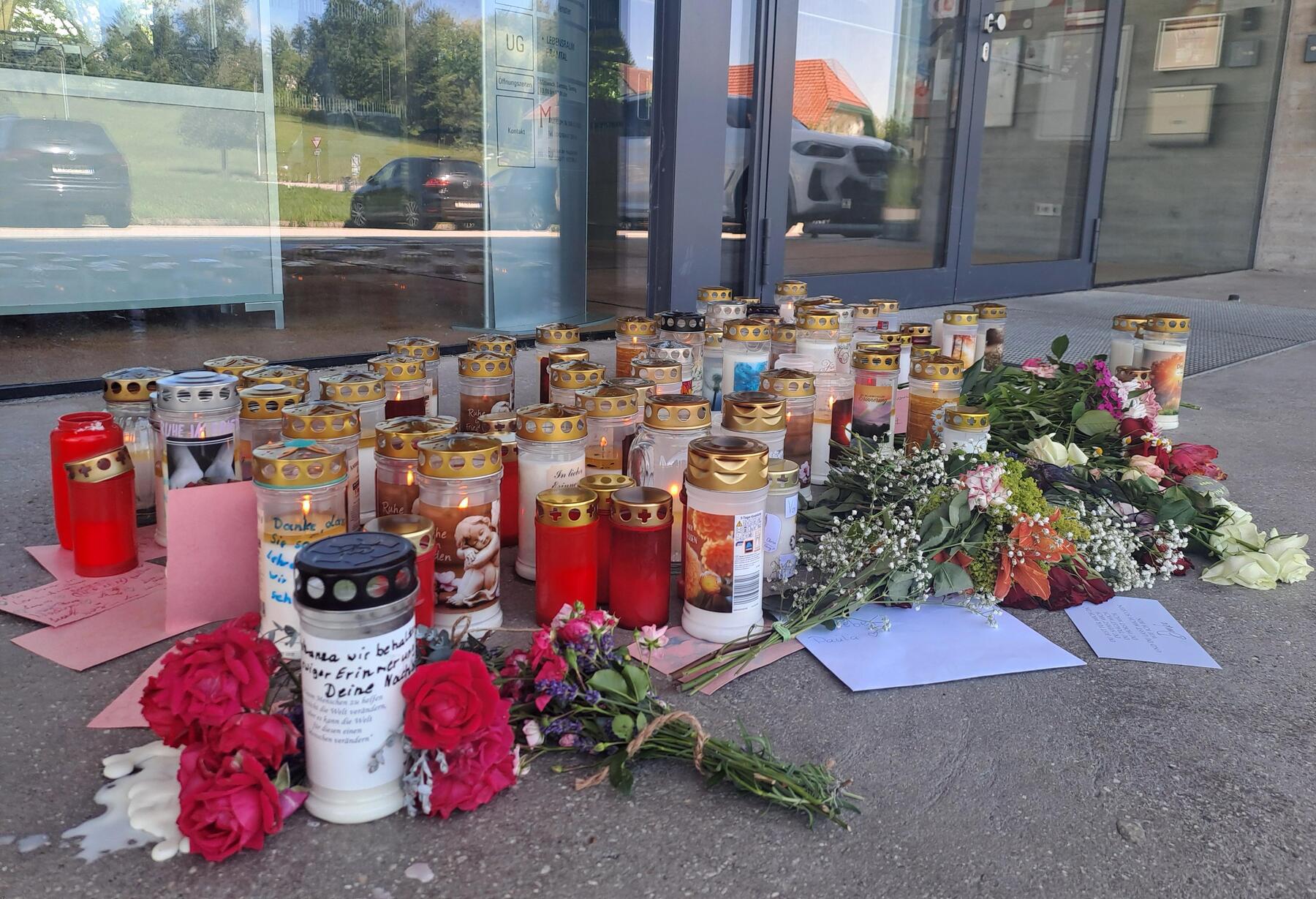
Austria's unusual homicide pattern: Why more women than men are murdered
Translated from German, summarized and contextualized by DistantNews.
At a glance
Analysis
Sources not specified
Context piece
- Historically, men are more often murder victims globally, but Austria is an exception with more female victims annually.
- The number of male murder victims in Austria has decreased since the late 1990s, while female homicides remain constant.
- Murders of women in Austria are often "relationship crimes" stemming from perceived slights, control, or revenge, reflecting patriarchal attitudes.
Austria presents a statistical anomaly in global homicide patterns, with more women than men murdered annually. This trend, which has persisted since the late 1990s, contrasts with the global norm where men are more frequently victims. While male homicides in Austria often involve disputes related to organized crime or escalated altercations, typically between strangers, female homicides are predominantly linked to intimate partner violence.
These "relationship crimes" are characterized by perpetrators acting out of perceived betrayal, a desire for control, or revenge, often fueled by a patriarchal mindset that women should be subordinate. The perpetrator may feel entitled to the victim's affection or compliance, and her rejection or deviation from his expectations is seen as a punishable offense. This mindset can lead to perpetrators believing the victim is responsible for provoking the violence.
The article suggests that such patriarchal thinking, far from receding, is finding new avenues for expression and influencing the cultural mainstream. Once considered a fringe phenomenon, online communities of "incels" (involuntarily celibate men) who harbor misogynistic views and fantasize about revenge have grown in prominence, indicating a concerning persistence of these harmful attitudes.
Hätte sie bloß getan, was er wollte! Es hätte alles so schön sein können!
DistantNews Editorial
Originally published by Die Presse in German. Translated, summarized, and contextualized by our editorial team with added local perspective. Read our editorial standards.
More Stories



From Our Blog

What Gets Lost (and Found) When News Is Translated

The Critical Role of Diaspora Media in Global News

What Travellers Should Know About Countries with Restricted Press

A Digital Nomad's Guide to Following Local News

How the Same Story Looks Different in Different Countries
