


Austria's Wehrdienstreform: FPÖ and Greens Demand Input for Parliamentary Approval
Translated from German, summarized and contextualized by DistantNews.
At a glance
News
Named sources
Ongoing story
- Austria's ruling coalition has reached a political agreement on extending mandatory military service, but requires support from the FPÖ or the Greens for a two-thirds parliamentary majority.
- The FPÖ criticizes the proposed "6plus3 model" as too short and calls the civilian service regulations flawed, warning of weaker military cohorts.
- The Greens also have open questions, particularly regarding the duration and specifics of militia exercises within the proposed service structure.
Austria's governing coalition has announced a political agreement to extend mandatory military service, a move that necessitates the support of either the Freedom Party (FPÖ) or the Greens to secure the required two-thirds majority in parliament. However, a concrete legislative text for negotiation is still pending, and both opposition parties have voiced significant criticisms of the presented package.
I expect an invitation to negotiations to finally contribute some expertise.
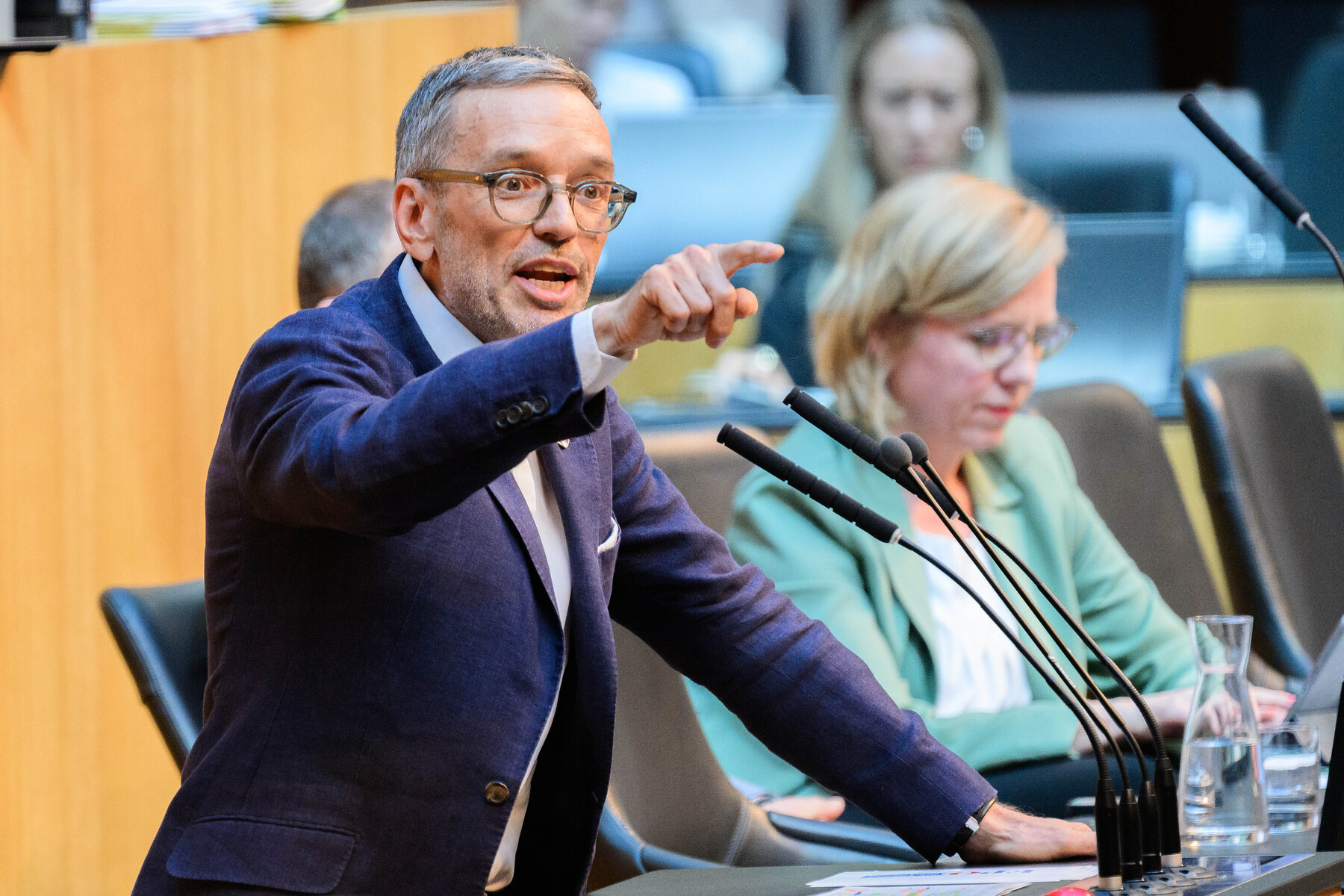
The FPÖ, through its defense spokesperson Volker Reifenberger, expressed disappointment, stating that the Wehrdienstkommission (Military Service Commission) had proposed a better plan. Reifenberger criticized the agreed-upon "6plus3 model", six months of basic military service plus three months of subsequent service, as too short. He particularly condemned the regulations for civilian service as "messed up," arguing they would lead to two weak cohorts in the Bundesheer and militia, requiring prolonged support.
Here, people obviously negotiated who have no idea about the subject matter.
Reifenberger also highlighted concerns about a shortage of non-commissioned officers, stating, "We have far too few non-commissioned officers to lead the troops. What good are more conscripts if no one can lead them? Non-commissioned officers are the backbone of any army." He advocated for increased incentives for soldiers to become NCOs. Furthermore, the FPÖ questioned the budget implications, suggesting that the current agreement is "less for more money" and deeming Finance Minister Markus Marterbauer's exclusion of fresh funds unrealistic, arguing that increased costs should not compromise equipment procurement.
The regulation with civilian service is a messed-up mess. You only lose time.
The Greens, represented by defense spokesperson David Stögmüller, also indicated that many questions remain unanswered, labeling the current proposal as "chaos." A key point of contention for the Greens involves the militia exercises, which are part of the proposed six months of basic service followed by three months of troop or militia duty. The exact allocation of these three months between troop and militia exercises remains unclear, as does the duration of militia exercises within a ten-year period.
We have far too few non-commissioned officers to lead the troops. What good are more conscripts if no one can lead them? Non-commissioned officers are the backbone of any army.
DistantNews Editorial
Originally published by Die Presse in German. Translated, summarized, and contextualized by our editorial team with added local perspective. Read our editorial standards.
More Stories


From Our Blog

What Gets Lost (and Found) When News Is Translated

The Critical Role of Diaspora Media in Global News

What Travellers Should Know About Countries with Restricted Press

A Digital Nomad's Guide to Following Local News

How the Same Story Looks Different in Different Countries
