


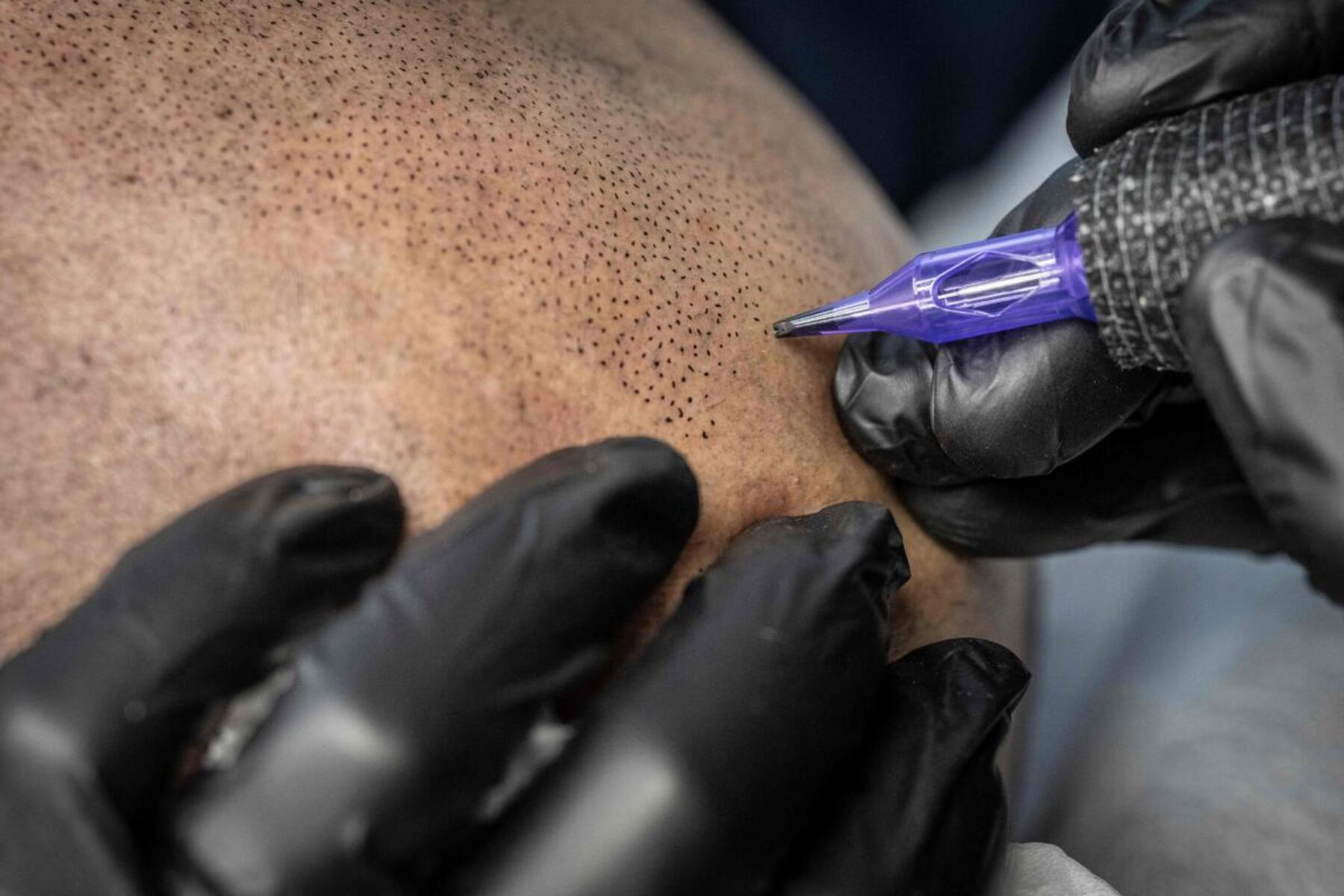
Austria sees tattoo boom among youth, shifting from counter-culture to mainstream art
Translated from German, summarized and contextualized by DistantNews.
At a glance
In-depth
Sources not specified
Context piece
- Tattoos are experiencing a boom, especially among young people in Austria.
- Legal regulations permit tattoos for individuals aged 16 and 17 with parental consent.
- The trend has shifted from counter-culture to mainstream aesthetic expression.
Tattoos are currently experiencing a significant surge in popularity, particularly among younger demographics in Austria. A recent survey indicated that approximately 40 percent of adults under 35 have at least one tattoo, with the average age of those getting inked continuing to decrease.
I first thought about a tattoo at 17, 18 years old. I saw it on friends and thought it was cool.
Legally, Austria has clear regulations regarding tattoos. Individuals under 16 are prohibited from getting tattooed, even with parental permission. Those aged 16 and 17 can obtain tattoos, but only with written consent from their parents. Once individuals turn 18, parental consent is no longer required, though tattoo studios must always inform clients about the risks and aftercare procedures.
Historically, tattoos were associated with fringe groups like sailors, prisoners, and criminals. Architect Adolf Loos famously described tattooed individuals in 1908 as "criminals or degenerate aristocrats." However, the perception has evolved dramatically. Even Empress Sisi of Austria, in her fifties, sported an anchor tattoo on her upper arm, a detail highlighting the historical presence of tattoos among various social strata.
The modern human who gets tattooed is a criminal or a degenerate. [...] The tattooed, who are not in custody, are latent criminals or degenerate aristocrats.
Sociologists attribute the mainstream acceptance of tattoos to modern trends of individualization and aestheticization. As individuals sought unique ways to express themselves and stand out, tattoos became a prominent form of personal branding. Initially adopted by youth subcultures as a form of nonconformity, tattoos have since become normalized, widely accepted as a personal aesthetic choice rather than a provocative statement.
The individual detached himself from the close structures of obligation of traditional institutions and aimed to appear as something special through individual attractiveness. The spread of new visual media favored aestheticization.
DistantNews Editorial
Originally published by Die Presse in German. Translated, summarized, and contextualized by our editorial team with added local perspective. Read our editorial standards.
More Stories


From Our Blog

What Gets Lost (and Found) When News Is Translated

The Critical Role of Diaspora Media in Global News

What Travellers Should Know About Countries with Restricted Press

A Digital Nomad's Guide to Following Local News

How the Same Story Looks Different in Different Countries
