


Austria to mandate 'Made-in-Europe' components for solar subsidies
Translated from German, summarized and contextualized by DistantNews.
At a glance
News
Sources not specified
New plan
- Austria plans to replace its "Made-in-Europe" bonus for photovoltaic components with a mandatory "Made-in-Europe" requirement starting in 2027.
- All new photovoltaic systems will need to include a battery storage system to qualify for subsidies from 2027 onwards.
- The government aims to curb rising costs associated with negative electricity prices and encourage grid stability by promoting energy storage.
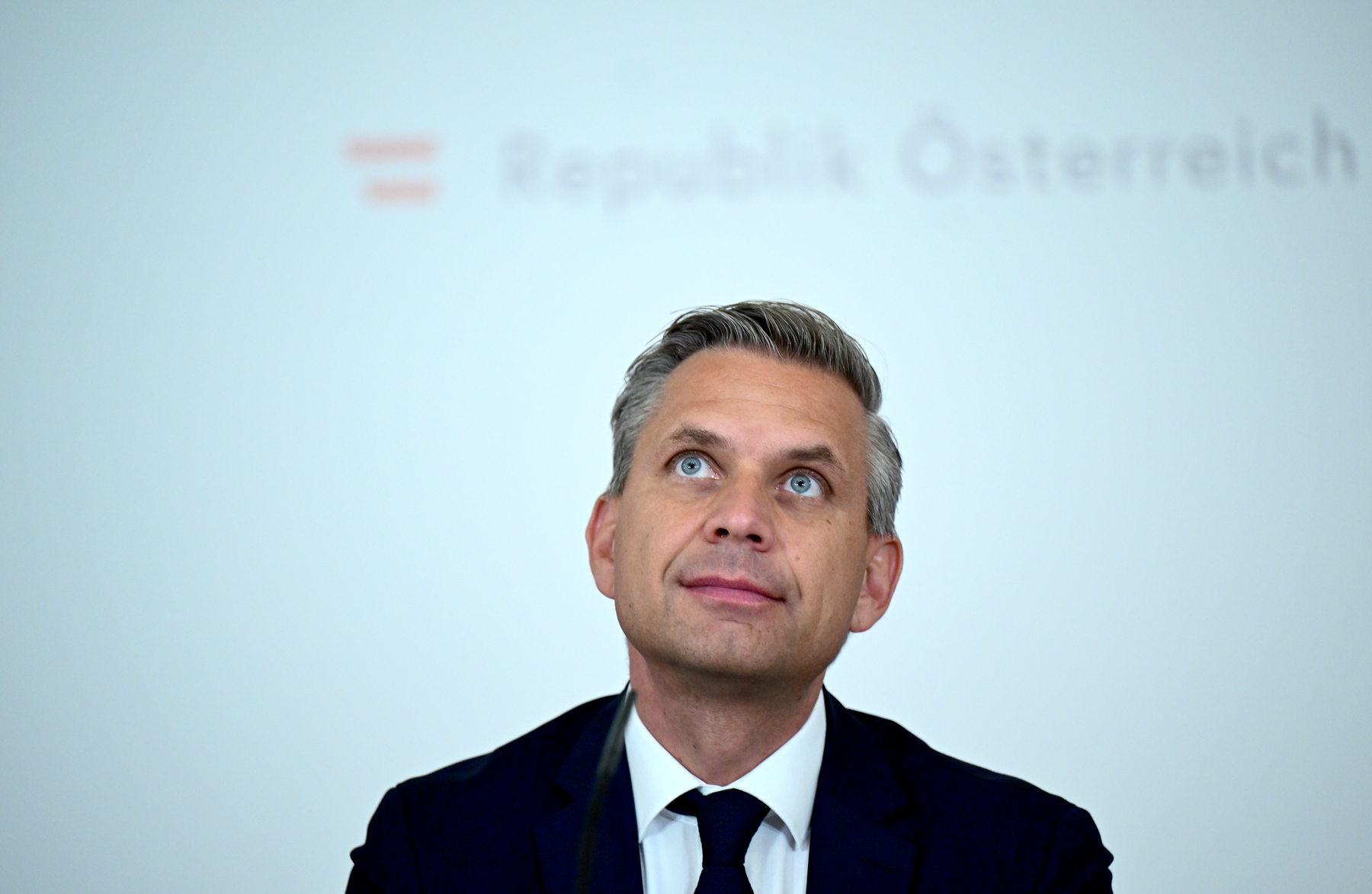
Austria is set to introduce a mandatory "Made-in-Europe" requirement for photovoltaic components, replacing the current bonus system, as announced by Minister of Economy and Labor Wolfgang Hattmannsdorfer. This change, slated to take effect in 2027, aims to bolster European manufacturing and domestic value creation, while also enhancing technological independence and cybersecurity.
The proposed legislation, a revision of the Renewable Energy Expansion Act (EAG), will be presented to coalition partners SPÖ and NEOS next week. Specifically, the "Made-in-Europe" mandate will apply to inverters, a critical component for PV systems. This move is partly driven by the increasing pressure on Austrian manufacturers like Fronius from international competitors, particularly from China.
The "Made-in-Europe" bonus for European components in photovoltaic systems is to be replaced by a "Made-in-Europe" obligation.
Furthermore, starting in 2027, photovoltaic systems will only be eligible for subsidies if they include a battery storage system. The government intends to provide "targeted support for grid-serving storage systems." To qualify for battery storage subsidies, even without a simultaneous PV installation, the storage must be integrated into an energy management system. Additionally, either the grid-connected power must be reduced to 50 percent of the PV system's module capacity, or a contract with a dynamic feed-in tariff must be demonstrated.
We need to look at all components that create false incentives.
The significant surge in photovoltaic installations in Austria since the 2022 energy crisis has prompted the government to adjust its energy policy. While not intending to slow down the expansion of solar power, the focus is shifting towards storing the generated electricity to prevent price volatility. Minister Hattmannsdorfer referred to this as "grid serviceability" during a press conference.
The increasing costs associated with negative electricity prices, where the state-run Ökostrom-Abwicklungsstelle (OeMAG) pays feed-in tariffs even when prices are negative, are a major concern. In 2025, these costs amounted to 15 million euros, with projections reaching 60 million euros for the current year. Energy State Secretary Elisabeth Zehetner indicated that further reductions to the market price paid by OeMAG are possible, stating, "We need to look at all components that create false incentives."
The important thing is that we change the system so that we do not incentivize feeding in subsidized power during negative price hours.
DistantNews Editorial
Originally published by Die Presse in German. Translated, summarized, and contextualized by our editorial team with added local perspective. Read our editorial standards.
More Stories


From Our Blog

What Gets Lost (and Found) When News Is Translated

The Critical Role of Diaspora Media in Global News

What Travellers Should Know About Countries with Restricted Press

A Digital Nomad's Guide to Following Local News

How the Same Story Looks Different in Different Countries
