

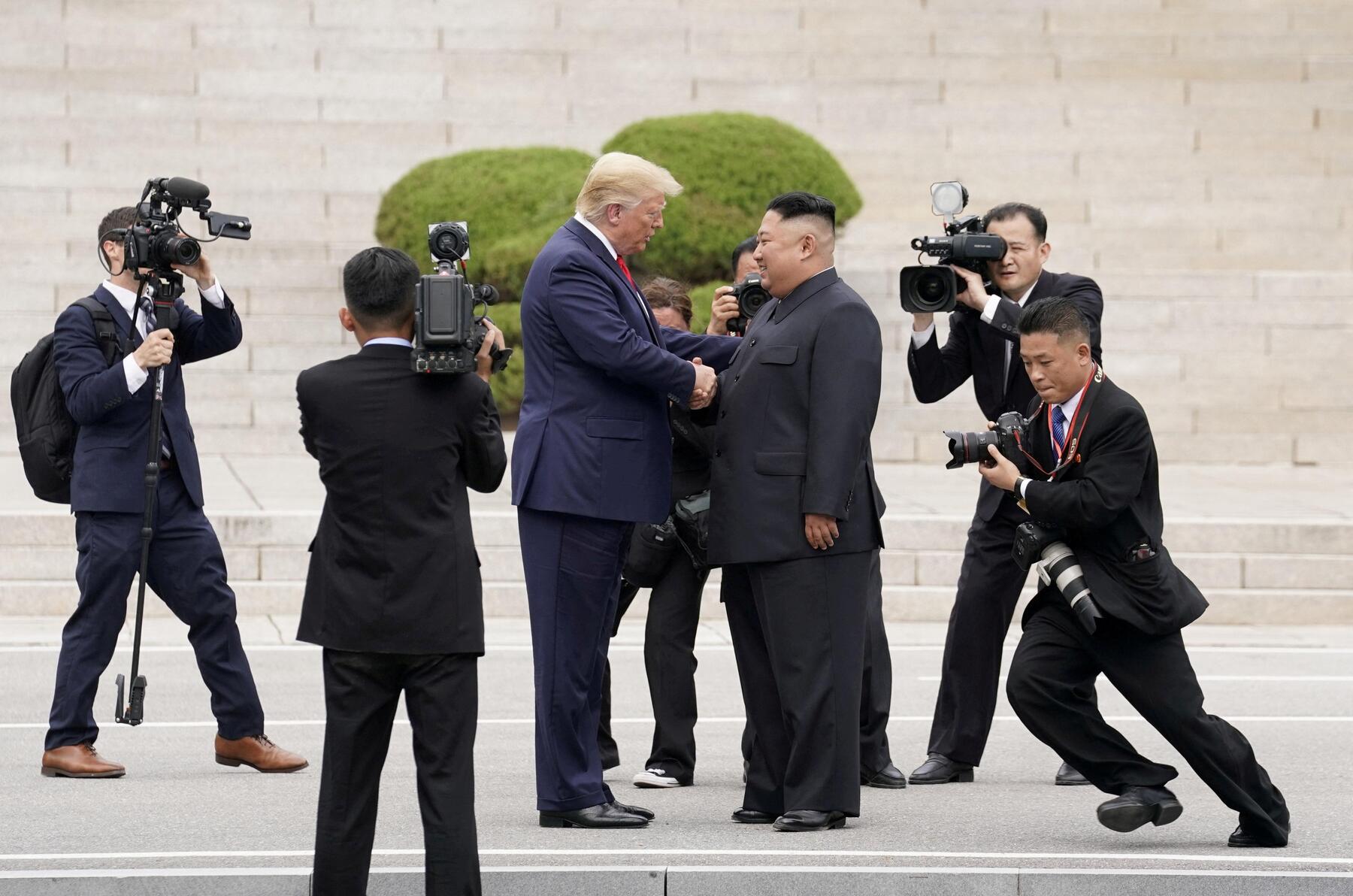

Austrian military reform criticized as poorly executed and lacking purpose
Translated from German, summarized and contextualized by DistantNews.
At a glance
News
Named sources
Context piece
- Austrian politicians and commentators criticized the government's military service reform as poorly executed and lacking substance.
- Concerns were raised that conscripts might view their service as a waste of time, and that the reform doesn't sufficiently incentivize military over civilian service.
- The discussion also touched upon the societal integration aspects of military and civilian service, with differing views on gender roles.
A recent discussion on Austrian television highlighted significant criticism regarding the government's reform of mandatory military service. Politicians and commentators alike expressed dissatisfaction with the reform's implementation and perceived lack of meaningful content, suggesting it could lead conscripts to feel their time was wasted.
During a program on ORF III, Neos party leader Beate Meinl-Reisinger, acting as foreign minister, faced questions primarily focused on domestic issues, a point also noted by "Presse" deputy editor-in-chief Christian Ultsch. The panel, including "Kurier" publisher Martina Salomon, who described herself as "the wicked one," heavily critiqued the military service reform, calling it "quite a mess" (ziemlicher Murks) created by the government. Even Meinl-Reisinger, despite her rhetorical skills, was seen as downplaying the reform's shortcomings.
Salomon voiced concern that "too many recruits will say afterward: That was a wasted time." While acknowledging that military service will be better compensated, she argued for a more sensible and meaningful structure to prevent young men from preferring civilian service. She predicted that "in a year or two, civilian service will again be longer than military service."
Comedienne Verena Scheitz shared anecdotes from conversations with friends, expressing a sentiment of parental concern: "I didn't raise my boy for drones to blow his head off!" She suggested a broader discussion about conscription and a professional army might have been beneficial. Former politician Heide Schmidt countered that the debate was already settled by a previous referendum on conscription. Holger Bonin, director of the Institute for Advanced Studies, drew parallels with Germany's current debate on reintroducing conscription and emphasized the "social integration character" of civilian service for both men and women, a point not directly addressed by the female panelists.
The discussion also briefly touched upon the exclusion of Neos co-founder Veit Dengler, with Scheitz suggesting it might be a "man-woman problem," where a man struggles to accept a woman's authority. Salomon agreed, noting that "as a female boss, you are observed a bit more closely."
DistantNews Editorial
Originally published by Die Presse in German. Translated, summarized, and contextualized by our editorial team with added local perspective. Read our editorial standards.
More Stories
From Our Blog

What Gets Lost (and Found) When News Is Translated

The Critical Role of Diaspora Media in Global News

What Travellers Should Know About Countries with Restricted Press

A Digital Nomad's Guide to Following Local News

How the Same Story Looks Different in Different Countries
