


Author Fights for Espoo City Hall's Memory After Demolition
Translated from Finnish, summarized and contextualized by DistantNews.
At a glance
In-depth
Named sources
Context piece
- Author Mauritz Hellström continues to advocate for the former Espoo City Hall, which was demolished in 2022.
- Hellström wrote a book, "Once Upon a Time City Hall – The Defenders' Chronicle," detailing the demolition process from the perspective of those who opposed it.
- He criticizes the decision to demolish the building as "speed blindness" and "indifference" to Espoo's history, despite the city's stated reasons of indoor air problems.
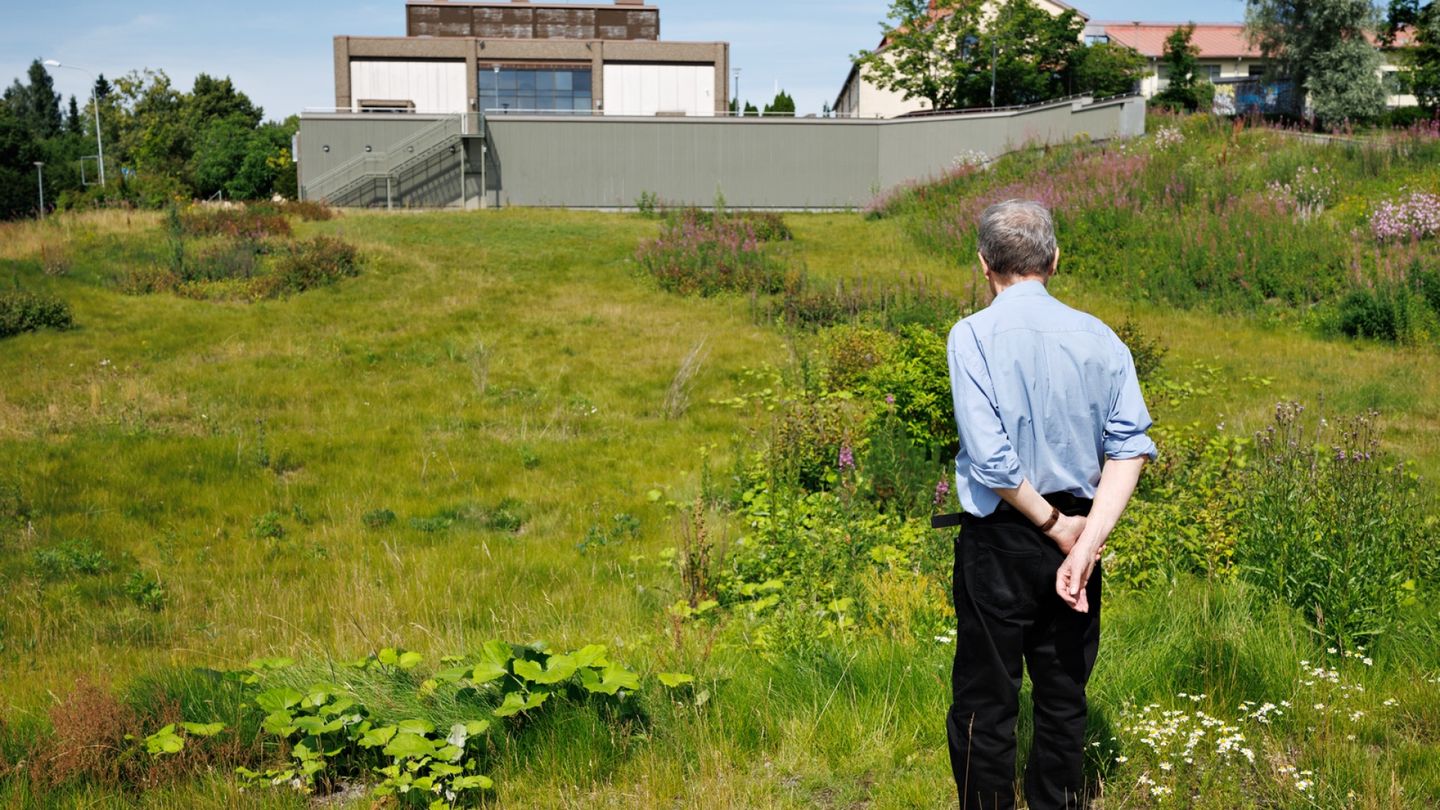
Writer Mauritz Hellström stands on an observation deck in Espoo's center, looking wistfully at overgrown land where the city hall once stood. "It's just getting overgrown now," he remarks, pointing to the former site of the building demolished between 1971 and 2022.
It's just getting overgrown now.
Hellström, an Espoo resident since 1968, has penned a book, "Once Upon a Time City Hall – The Defenders' Chronicle," published last year by the Espoo Heritage Society. The book recounts the demolition process from the viewpoint of those who opposed it, a stance Hellström maintains is crucial for preserving the city's narrative.
He describes the decision to remove the building from the cityscape as "speed blindness" and "indifference" to Espoo's history. Hellström believes decision-makers were too focused on a distant, idealized future, neglecting the present and past. "As if they were looking into the future through a tunnel, seeing a clear light far away. But they didn't consider whether that light was the end of the tunnel or if a train was coming from it," he explained.
As if they were looking into the future through a tunnel, seeing a clear light far away. But they didn't consider whether that light was the end of the tunnel or if a train was coming from it.
The Espoo City Hall was emptied in 2008 and finally torn down in 2022, the same year the city celebrated its 50th anniversary. While the city cited indoor air problems as justification for demolition, Hellström's book suggests mold was not found. He highlights issues like a leaky roof, poor ventilation, and insufficient meeting spaces, noting that the city had estimated repair costs to be as high as building a new structure. Hellström's book uses vivid language, calling the demolition a "biblical destruction" with "not a stone left upon a stone."
biblical destruction
DistantNews Editorial
Originally published by Helsingin Sanomat in Finnish. Translated, summarized, and contextualized by our editorial team with added local perspective. Read our editorial standards.
More Stories



From Our Blog

What Gets Lost (and Found) When News Is Translated

The Critical Role of Diaspora Media in Global News

What Travellers Should Know About Countries with Restricted Press

A Digital Nomad's Guide to Following Local News

How the Same Story Looks Different in Different Countries
