


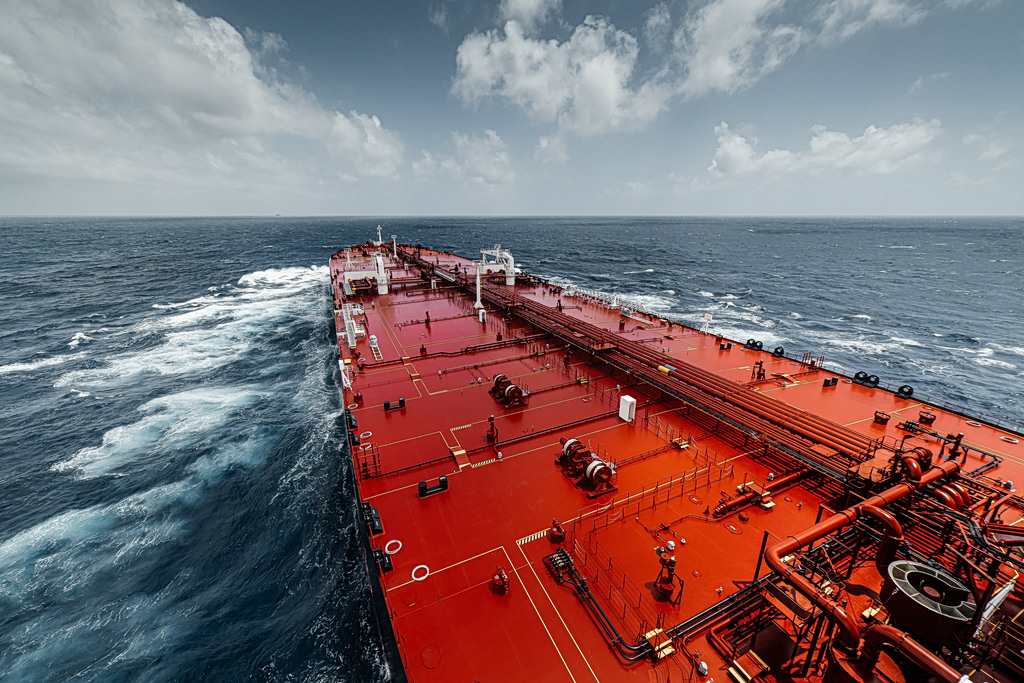
Bab el-Mandeb Strait passage: How Houthis threaten a blackout in Europe
Translated from Greek, summarized and contextualized by DistantNews.
At a glance
News
Sources not specified
Context piece
- Houthi threats to block the Bab el-Mandeb Strait raise concerns about global energy and trade disruptions.
- The strait is a crucial chokepoint connecting the Red Sea and the Indian Ocean, vital for oil transport.
- A blockade could significantly impact oil prices, potentially pushing them above $100 per barrel.
The crisis in the Middle East has escalated with Houthi threats to block the Bab el-Mandeb Strait, a strategic maritime passage. This development has sparked market concerns and could create a new front in the conflict, impacting global energy and trade flows. The strait, connecting the Red Sea to the Indian Ocean, is a critical chokepoint for energy and goods transportation.
While a full blockade has not yet occurred, uncertainty is already affecting shipping, with some vessels rerouting to avoid potential attacks in the Red Sea. Analysts warn that an effective disruption at Bab el-Mandeb could severely pressure the oil market, limiting a key alternative route for energy transport. This comes as the global oil market is already grappling with rising prices due to Middle East tensions.
Although not as famous as the Strait of Hormuz, Bab el-Mandeb is vital for global commerce. At its narrowest, it is about 14 miles wide. Before the recent escalation, approximately 20 million barrels of oil per day passed through the Strait of Hormuz, about one-fifth of global consumption. Bab el-Mandeb also plays a significant role, with about 6.2 million barrels of oil per day transiting this waterway in the last month, according to data analysis firm Kpler. Its importance is further amplified for Saudi Arabia, which uses its East-West pipeline to transport oil from the Persian Gulf to the Red Sea port of Yanbu, bypassing Hormuz. This route handles about 4 to 5 million barrels daily, helping to mitigate the crisis's impact.
Oil prices have already reacted to the renewed Middle East tensions, rising over $20 per barrel in the past month and temporarily exceeding $95. Analysts estimate that a complete shutdown of Bab el-Mandeb could push oil prices above the psychological threshold of $100 per barrel. Market experts warn that if this route becomes inoperable, the disruption to oil supply will become much more severe, losing a critical alternative for global energy flows.
DistantNews Editorial
Originally published by Ta Nea in Greek. Translated, summarized, and contextualized by our editorial team with added local perspective. Read our editorial standards.
More Stories

From Our Blog

What Gets Lost (and Found) When News Is Translated

The Critical Role of Diaspora Media in Global News

What Travellers Should Know About Countries with Restricted Press

A Digital Nomad's Guide to Following Local News

How the Same Story Looks Different in Different Countries
