


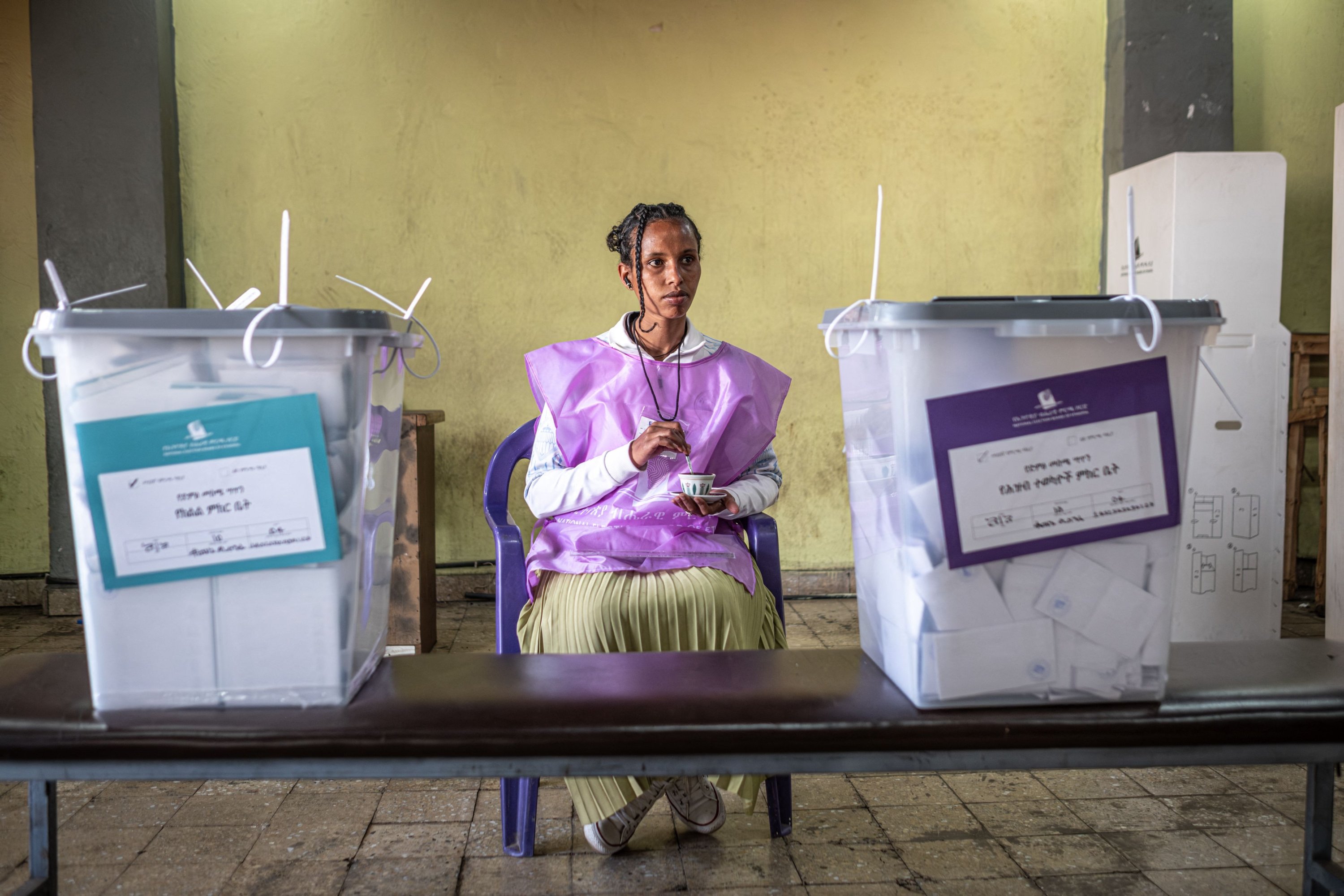
Ballot box in Horn of Africa: For whom and under what conditions?
Summarized and contextualized by DistantNews.
At a glance
Analysis
Sources not specified
New plan
- Ethiopia held general elections on June 1, with Prime Minister Abiy Ahmed's Prosperity Party expected to win decisively.
- Voting was suspended or canceled in many constituencies due to "unfavorable conditions," including ongoing conflicts.
- The election's legitimacy is questioned amid widespread violence, fragmentation of opposition parties, and restrictions on media freedom.
Ethiopia concluded its general elections on June 1, marking another step in its democratic process, though official results are pending. Political observers widely anticipated a landslide victory for Prime Minister Abiy Ahmed's Prosperity Party. However, the election's true significance lies less in the outcome and more in the structural issues it has exposed for Ethiopia and the wider region.
The Ethiopian Electoral Board suspended or canceled voting in numerous constituencies, citing "unfavorable conditions." Notably, no elections were held in Tigray, the region devastated by the 2020-2022 civil war, which continues to face mass displacement and renewed clashes between federal forces and the Tigray People's Liberation Front (TPLF). Violence also persisted in Amhara and Oromia regions on election day, with dozens of civilians reportedly killed.
These circumstances cast doubt on the election's legitimacy. The Prosperity Party's dominance appears structurally inevitable due to the extreme fragmentation of opposition parties and their limited national organizational capacity. Compounding this uncompetitive environment are restrictions on independent media, harassment of journalists, and a severe curtailment of freedom of expression.
While the Prosperity Party campaigned on a narrative of robust economic growth, highlighting indicators like market liberalization and record exports, the sustainability of this growth is precarious. It hinges on security in conflict zones, global commodity prices, and regional political stability. A critical development overshadowed by the election is the effective collapse of the 2022 Pretoria Agreement, with the TPLF announcing its resumption of regional administration and making new appointments, creating parallel governing structures and risking a return to civil war.
DistantNews Editorial
Originally published by Daily Sabah. Summarized and contextualized by our editorial team with added local perspective. Read our editorial standards.
More Stories

From Our Blog

What Gets Lost (and Found) When News Is Translated

The Critical Role of Diaspora Media in Global News

What Travellers Should Know About Countries with Restricted Press

A Digital Nomad's Guide to Following Local News

How the Same Story Looks Different in Different Countries
