


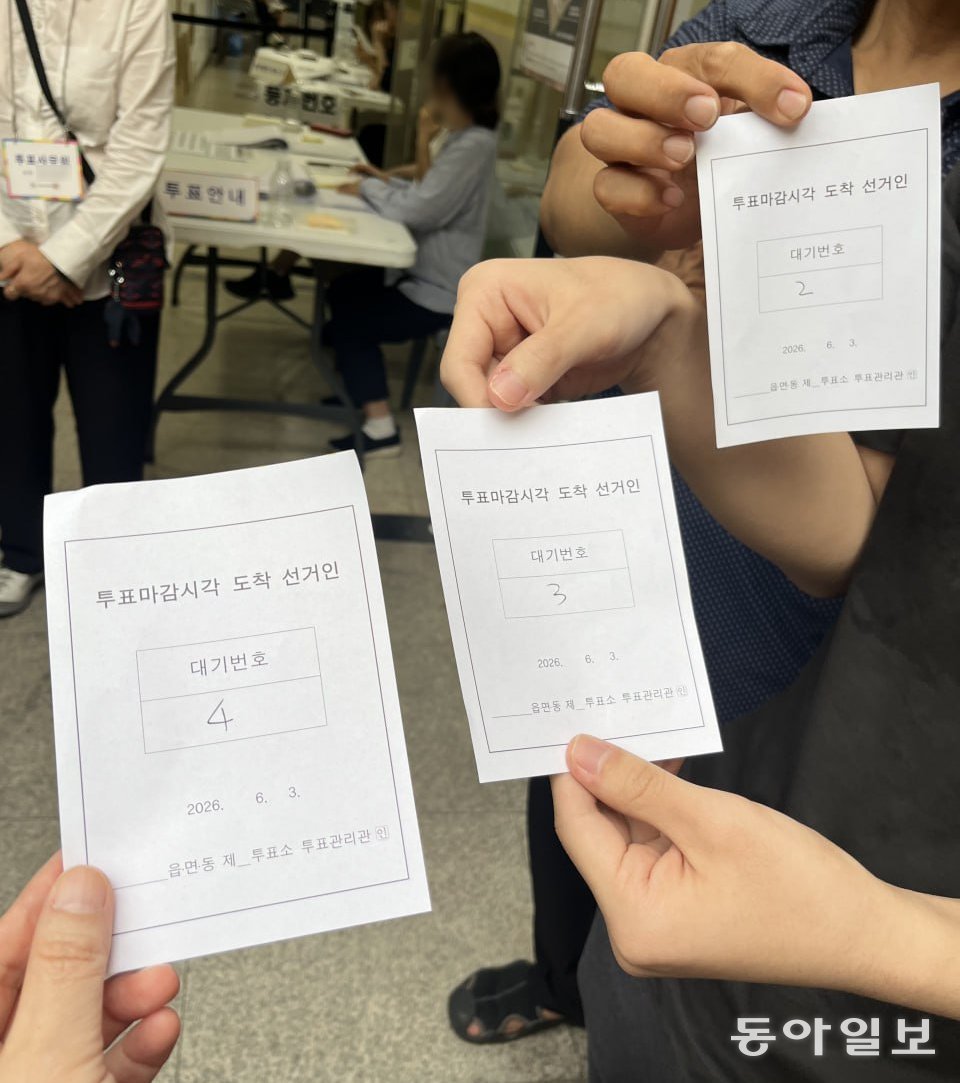
Ballot shortages disrupt South Korea elections; parties demand action
Translated from Korean, summarized and contextualized by DistantNews.
At a glance
News
Named sources
Outcome reported
- Voting irregularities, including a shortage of ballots, occurred during South Korea's local elections.
- The issue led to voters being unable to cast their ballots in several polling stations.
- Both the ruling and opposition parties expressed strong dissatisfaction with the election commission's handling of the situation.
South Korea's 9th simultaneous local elections were marred by significant voting irregularities, including a critical shortage of ballots at numerous polling stations. This situation prevented many eligible voters from casting their ballots, causing widespread frustration.
The problems were particularly acute in Seoul's Songpa district, where voters faced long waits or were turned away entirely. The ruling People Power Party reacted with outrage, calling the situation "unacceptable" and demanding immediate action from the National Election Commission (NEC). Oh Se-hoon, the party's candidate for Seoul mayor, issued a stern warning, stating that infringing on citizens' right to vote would not be tolerated.
We strongly warn the NEC. Infringing on voters' right to participate in democracy in this manner is absolutely unacceptable. Mobilize all means to ensure citizens can vote immediately.
"We strongly warn the NEC. Infringing on voters' right to participate in democracy in this manner is absolutely unacceptable," Oh's campaign stated. They urged the commission to "mobilize all means to ensure citizens can vote immediately." The party also emphasized the need for clear communication to prevent voter confusion and discouragement.
The main opposition Democratic Party also voiced its strong displeasure, conveying "deep regret" to the NEC. The party highlighted the importance of ensuring all citizens could exercise their democratic rights without hindrance. The widespread issues have raised serious questions about the election commission's preparedness and management.
deep regret
DistantNews Editorial
Originally published by Dong-A Ilbo in Korean. Translated, summarized, and contextualized by our editorial team with added local perspective. Read our editorial standards.
More Stories


From Our Blog

What Gets Lost (and Found) When News Is Translated

The Critical Role of Diaspora Media in Global News

What Travellers Should Know About Countries with Restricted Press

A Digital Nomad's Guide to Following Local News

How the Same Story Looks Different in Different Countries
