


Balochistan activist's life sentence raises fear of unrest
Summarized and contextualized by DistantNews.
At a glance
News
Named sources
In the courts
- Balochistan activist Mahrang Baloch and fellow activist Sibghatullah Shahji were sentenced to life imprisonment for the killing of a paramilitary soldier during a July 2024 protest.
- Both activists boycotted the trial and deny the charges, with their lawyer stating they will appeal the verdict.
- Rights organizations criticized the ruling, calling it a continuation of the state's policy of treating dissent as extremism.
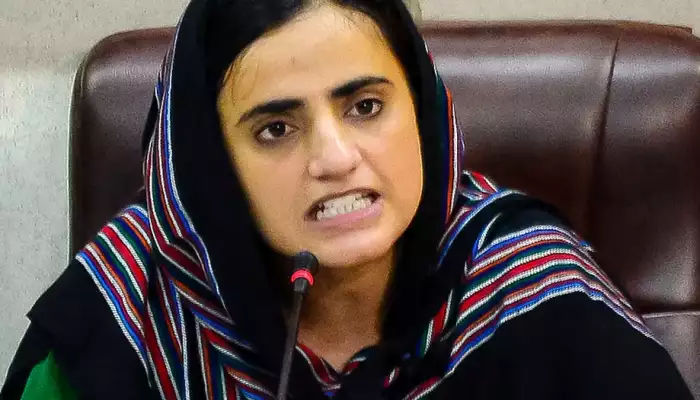
A Pakistani anti-terrorism court has handed down life sentences to two civil rights activists, Mahrang Baloch and Sibghatullah Shahji, for their alleged roles in the killing of a paramilitary soldier during a protest in July 2024. Baloch, a prominent 33-year-old campaigner against alleged enforced disappearances in Balochistan and leader of the Balochistan Unity Committee (BYC), was convicted of murder and terrorism on June 25.
The court is using the law as a weapon against us. The court and the judicial system exposed themselves through this judgment.
Both activists boycotted the trial proceedings and have consistently denied the charges leveled against them. Their lawyer, Israr Jattak, confirmed that the pair intend to appeal the verdict and reported that they are currently in good mental and physical health. Baloch, speaking through her lawyer, expressed her view that the court is weaponizing the law against them, stating, "The court and the judicial system exposed themselves through this judgment."
The human rights commission of Pakistan called for a review of the ruling, saying the state had "continued its policy of treating fundamental rights advocacy in the same way it treats extremism, resulting in administrative and judicial decisions that are one-sided and biased."
The verdict has drawn sharp criticism from human rights organizations. The Human Rights Commission of Pakistan urged a review of the ruling, asserting that the state continues its policy of conflating fundamental rights advocacy with extremism, leading to biased and one-sided administrative and judicial decisions. In contrast, Shahid Rind, a spokesperson for the Balochistan government, maintained that the prosecution was conducted fairly, citing "undeniable evidence" and denying any political motivation behind the case.
These allegations are being used to create an atmosphere where political dissent is branded as a crime and demands for human rights are labelled as enmity against the state.
Prosecutors allege that while Baloch did not personally kill the soldier, she incited and led a crowd during the July 2024 protest in Gwadar. The crowd allegedly separated from their colleagues and beat a paramilitary soldier, Sepoy Shabbir Ahmed, to death. Baloch, a medical doctor-turned-activist, began her human rights work after her father was allegedly forcibly disappeared in 2009. She has since become a leading voice against alleged enforced disappearances and for human rights in Balochistan, advocating through peaceful protests and non-violent means.
The prosecution was conducted fairly, insisting the case was backed by "undeniable evidence" and was not politically motivated.
DistantNews Editorial
Originally published by Times of Oman. Summarized and contextualized by our editorial team with added local perspective. Read our editorial standards.
More Stories
From Our Blog

What Gets Lost (and Found) When News Is Translated

The Critical Role of Diaspora Media in Global News

What Travellers Should Know About Countries with Restricted Press

A Digital Nomad's Guide to Following Local News

How the Same Story Looks Different in Different Countries
