

Bank Negara issued five warnings on Tabung Haji's finances since 2014
Translated from Malay, summarized and contextualized by DistantNews.
At a glance
News
Sources not specified
Context piece
- Bank Negara Malaysia issued five warnings to Lembaga Tabung Haji (TH) between 2014 and 2018 regarding its widening asset-liability gap and high profit distribution risks.
- These warnings highlighted concerns about TH's financial health, which was deteriorating to the point where its reserves risked becoming negative.
- A Royal Commission of Inquiry (RCI) found TH's financial position worsened significantly, with an asset deficit exceeding RM10 billion by late 2018, posing a risk to national financial stability.
Bank Negara Malaysia (BNM), the nation's central bank, issued five distinct warnings to Lembaga Tabung Haji (TH), the Malaysian Hajj pilgrims fund, between 2014 and 2018. The warnings focused on the growing gap between TH's assets and liabilities and the risks associated with its practice of distributing high profit returns.
BNM began voicing concerns since 2014 regarding the impact of the practice of paying high profit distributions which caused already low reserves to become negative.
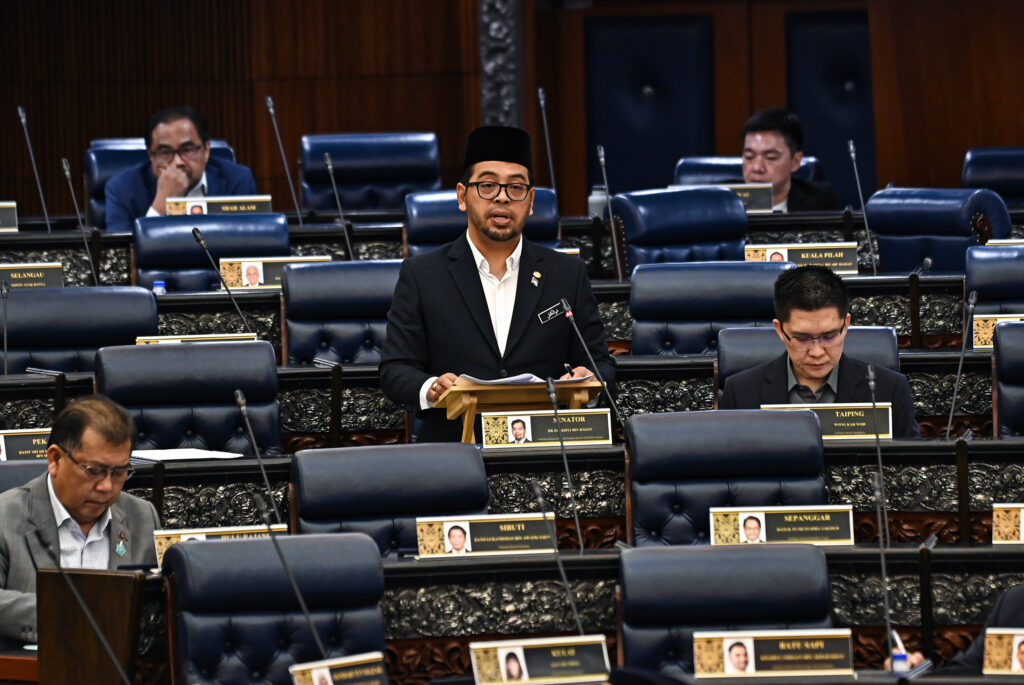
According to Dr. Zulkifli Hasan, Minister in the Prime Minister's Department (Religious Affairs), these warnings were issued as TH's financial standing deteriorated, placing its reserves at risk of turning negative. Although BNM is not TH's direct regulator, the central bank voiced concerns over the impact of high profit distributions on TH's already low reserves. "They were warned not once, not twice, not thrice but five times that the situation needed immediate correction to ensure TH did not breach the law," he stated in the Dewan Rakyat.
They were warned not once, not twice, not thrice but five times that the situation needed immediate correction to ensure TH did not breach the law.
The severity of the situation was underscored by a Royal Commission of Inquiry (RCI) report. It found that TH's financial position worsened dramatically, with the deficit between assets and liabilities surpassing RM10 billion by the fourth quarter of 2018. This precarious state put TH at risk of a massive withdrawal of funds by depositors, and attempts to secure emergency financing in case of a bank run were unsuccessful.
The overall deposits of TH are guaranteed by the government, thereby exposing the government to potential liabilities of approximately RM74.5 billion should the institution experience a collapse.
Zulkifli further explained that the government's guarantee on all TH deposits exposed it to potential liabilities of approximately RM74.5 billion should the institution collapse. The crisis was also highlighted by the Auditor-General's findings in the 2017 financial statements, including changes in TH's impairment policy. This policy was altered twice in 2017, enabling TH to report higher profits for that year. Following a change in government in 2018, a new board appointed PwC to reassess TH's financial health, confirming its critical condition and leading to a government-led restructuring plan. The RCI also recommended reforms in governance, financial reporting, and investment management, with over 75 percent of these recommendations already implemented.
The warnings from BNM were not without basis. If not addressed, it risks having serious implications for the country's financial stability.
DistantNews Editorial
Originally published by Utusan Malaysia in Malay. Translated, summarized, and contextualized by our editorial team with added local perspective. Read our editorial standards.
More Stories


From Our Blog

What Gets Lost (and Found) When News Is Translated

The Critical Role of Diaspora Media in Global News

What Travellers Should Know About Countries with Restricted Press

A Digital Nomad's Guide to Following Local News

How the Same Story Looks Different in Different Countries
