

Bank of Korea Kicks Off Rate Hike Cycle: Will High Interest Rates Freeze Car Market?
Translated from Korean, summarized and contextualized by DistantNews.
At a glance
News
Sources not specified
New plan
- South Korea's central bank raised its benchmark interest rate by 0.25 percentage points to 2.75%, signaling a continued tightening cycle.
- The rate hike is expected to increase borrowing costs for consumers and businesses, potentially impacting the automotive industry through higher car loan rates.
- Concerns are rising about reduced consumer spending power and decreased investment capacity for manufacturers due to increased interest burdens.
South Korea's central bank has officially entered a rate-hiking cycle, raising its benchmark interest rate by 0.25 percentage points to 2.75%. This move signals a clear intention to continue monetary tightening, prompting concerns across various industries, particularly the automotive sector.
The Bank of Korea's Monetary Policy Committee announced the decision, stating that future monetary policy will need to maintain a tightening stance. This marks the first rate increase in three and a half years since January 2023, when the rate was raised from 3.25% to 3.50%.
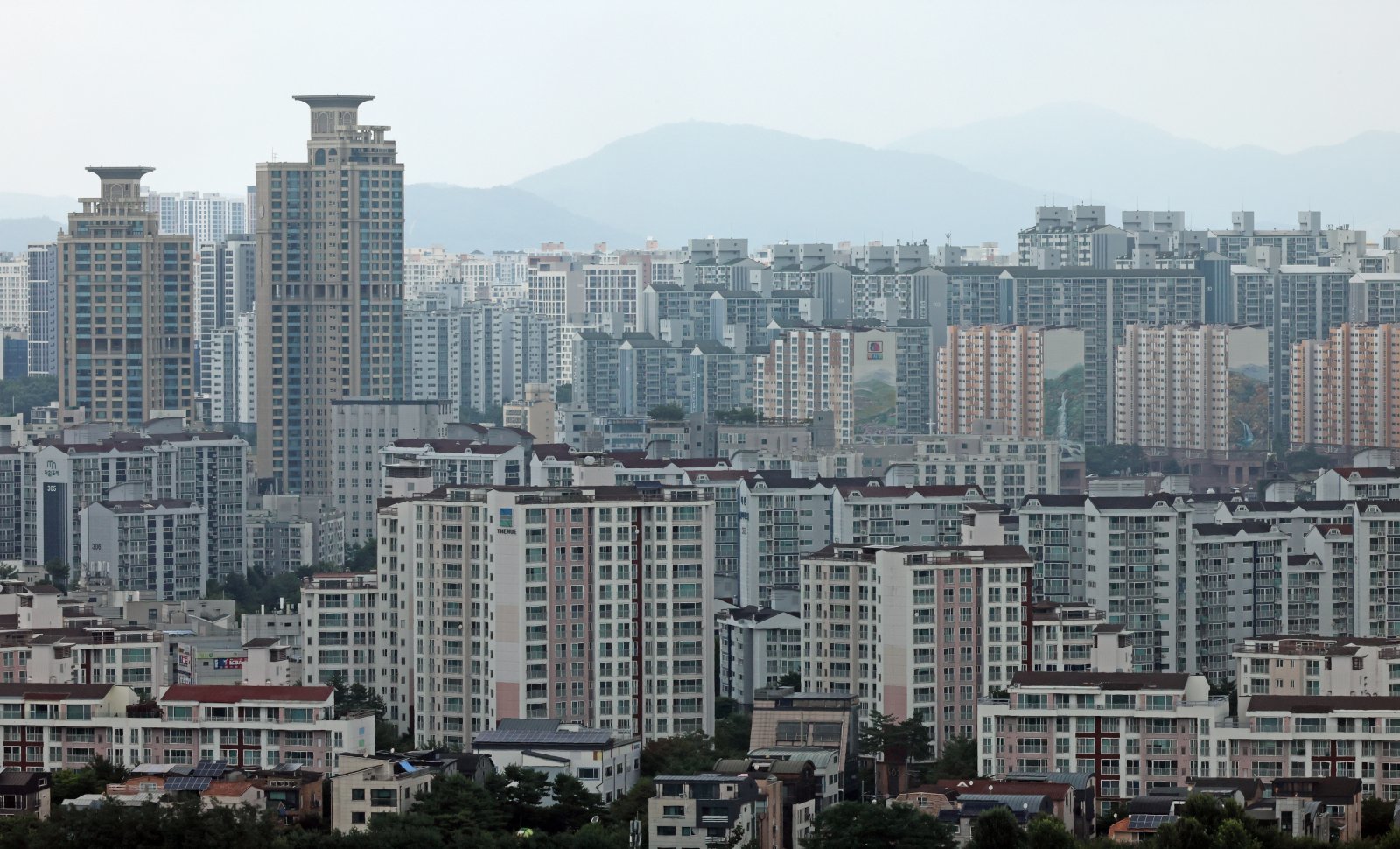
For the automotive industry, the implications are significant. An increase in the cost of capital for financial companies, such as those issuing credit card debt, is expected to lead to higher interest rates on car loans. This, combined with already rising interest rates on household debt like mortgages, could significantly reduce consumers' purchasing power for vehicles.
Future monetary policy will need to maintain a tightening stance.
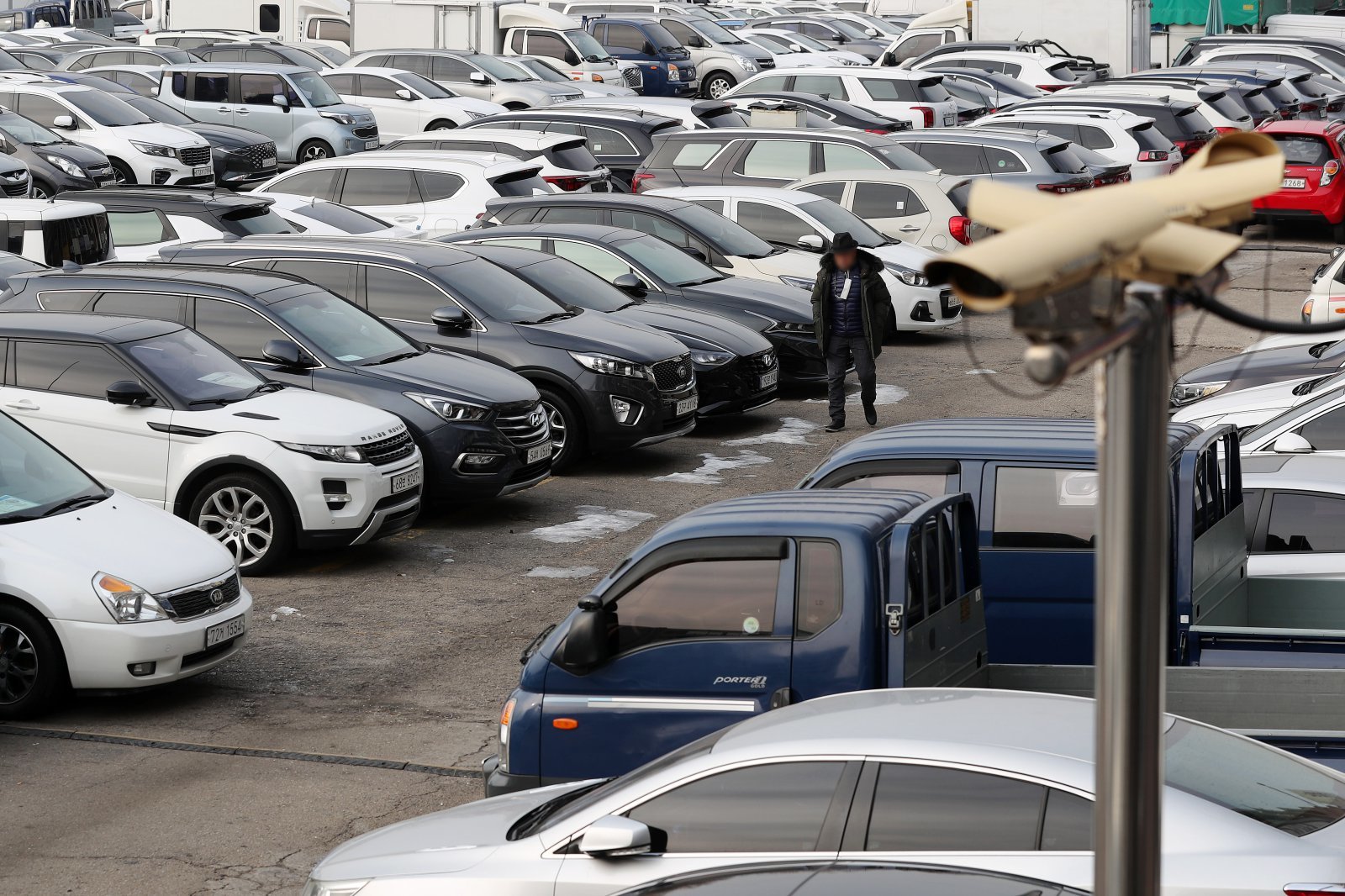
Analysts suggest that the increased financial burden might push consumers towards more budget-friendly options, potentially boosting demand for used cars and more affordable electric vehicles. Data shows a 49% year-on-year increase in used electric vehicle transactions in the first quarter. Chinese manufacturer BYD has also seen considerable success, selling 11,675 units in the first half of the year, making it the fourth-largest importer of cars in South Korea.
Furthermore, the rate hike could impact manufacturers' investment capacity. The total debt for Hyundai Motor Group companies stood at 193.11 trillion won at the end of last year, with plans for substantial investments totaling 161.3 trillion won by 2030. A rise in corporate borrowing costs could create a challenging environment for these large-scale investment projects, potentially leading to a vicious cycle where rising interest rates further weaken corporate fundamentals.
As benchmark interest rates rise, corporate borrowing costs increase, and if fundamentals worsen, the interest rate on corporate bonds could rise more sharply compared to government bonds, creating a vicious cycle.
DistantNews Editorial
Originally published by Dong-A Ilbo in Korean. Translated, summarized, and contextualized by our editorial team with added local perspective. Read our editorial standards.
More Stories


From Our Blog

What Gets Lost (and Found) When News Is Translated

The Critical Role of Diaspora Media in Global News

What Travellers Should Know About Countries with Restricted Press

A Digital Nomad's Guide to Following Local News

How the Same Story Looks Different in Different Countries
