


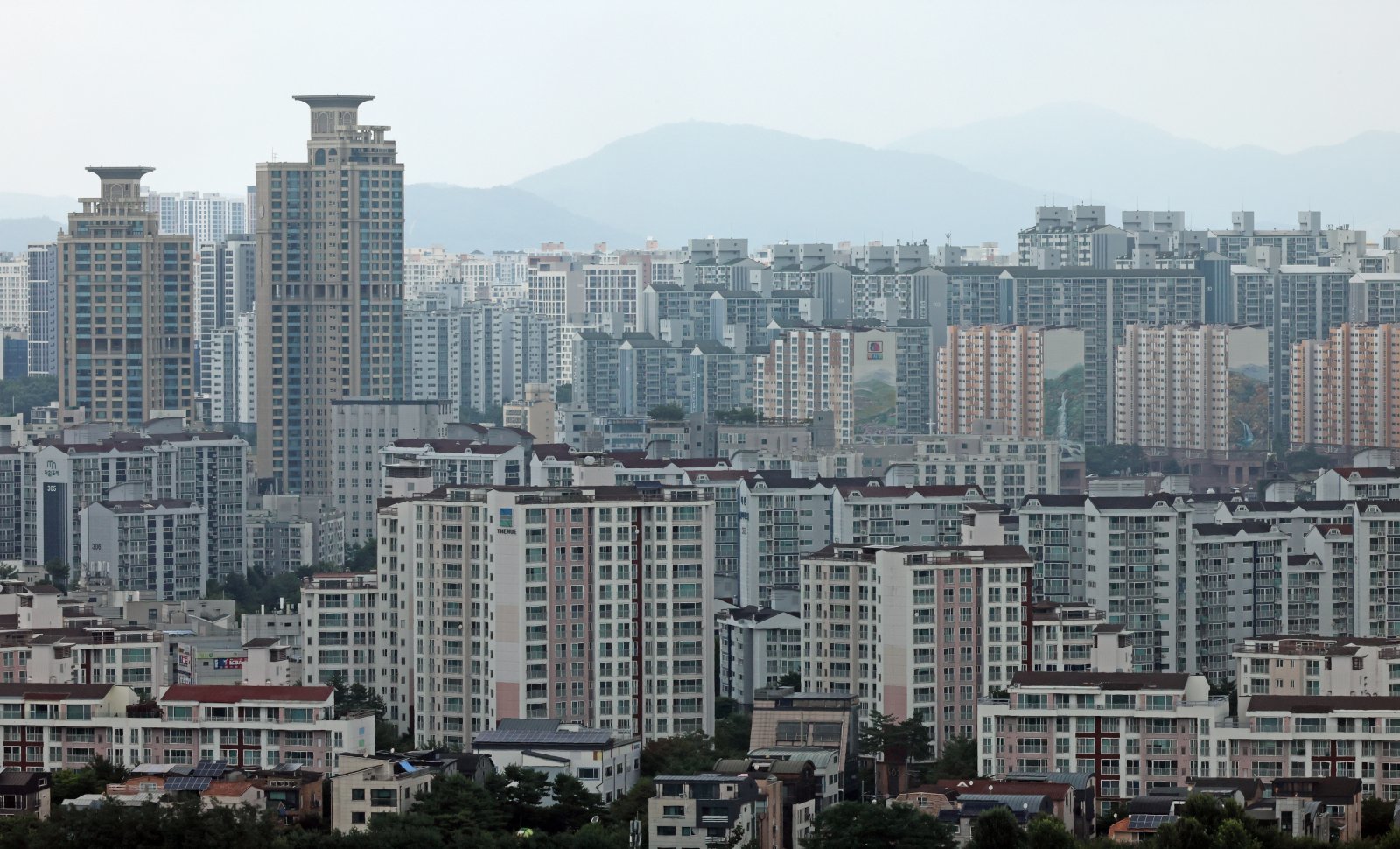
Housing Prices Rise in Non-Regulated Areas as Regulations Tighten Elsewhere in Gyeonggi
Translated from Korean, summarized and contextualized by DistantNews.
At a glance
News
Sources not specified
Context piece
- Housing prices are rising in non-regulated areas adjacent to heavily regulated regions in Gyeonggi Province, South Korea.
- Areas like Byeongjeom, Gwonsun, and Namyangju are experiencing increased buyer interest and price hikes.
- Experts attribute this to a "balloon effect" as buyers seek alternatives to restricted markets, though rapid surges are not guaranteed.
South Korea's stringent real estate regulations in areas like Dongtan, Giheung, and Guri are causing a "balloon effect," pushing housing prices upward in adjacent, non-regulated zones. Regions such as Namyangju, Byeongjeom, and Gwonsun are now seeing a surge in buyer activity and price increases. The Korea Real Estate Board reported that the weekly apartment price trend for the second week of July showed an accelerated rise in Gwonsun-gu, Suwon, and Byeongjeom-gu, Hwaseong, as well as Namyangju. These areas share living spaces with recently regulated zones, making them attractive alternative investment and living options.
Property transactions in these areas reflect the trend. A unit in 'Maegyo Station Pelucid' in Sesong-dong, Gwonsun-gu, Suwon, sold for a record 968.3 million won on July 1st. Similarly, a 59㎡ unit in 'Shin Dongtan Foret Xi' in Banwol-dong, Byeongjeom-gu, Hwaseong, changed hands for 850 million won earlier this month, surpassing its previous peak. This influx of buyers is attributed to their proximity to regulated areas and relatively lower price points.
The price increase in core areas like Dongtan and Yeongtong in Suwon has significantly slowed due to the burden of rapid price increases and regulatory designation. Meanwhile, demand has shifted to Giheung, leading to a steady expansion of the price increase.
Real estate experts observe a typical balloon effect, where price increases in core regulated areas slow down, and demand shifts to neighboring non-regulated areas. However, they caution that it remains uncertain whether these adjacent regions will experience the rapid price surges seen in the past. Factors such as the central bank's loan restrictions and rising interest rates may limit speculative investment, suggesting a more gradual price expansion for now.
The balloon effect is slowly progressing into non-regulated areas like Namyangju and Byeongjeom. However, factors such as the bank's loan volume regulations and interest rate hikes exist, limiting investor demand. It remains to be seen whether this will lead to the high balloon effect seen in the past.
DistantNews Editorial
Originally published by Dong-A Ilbo in Korean. Translated, summarized, and contextualized by our editorial team with added local perspective. Read our editorial standards.
More Stories


From Our Blog

What Gets Lost (and Found) When News Is Translated

The Critical Role of Diaspora Media in Global News

What Travellers Should Know About Countries with Restricted Press

A Digital Nomad's Guide to Following Local News

How the Same Story Looks Different in Different Countries
