


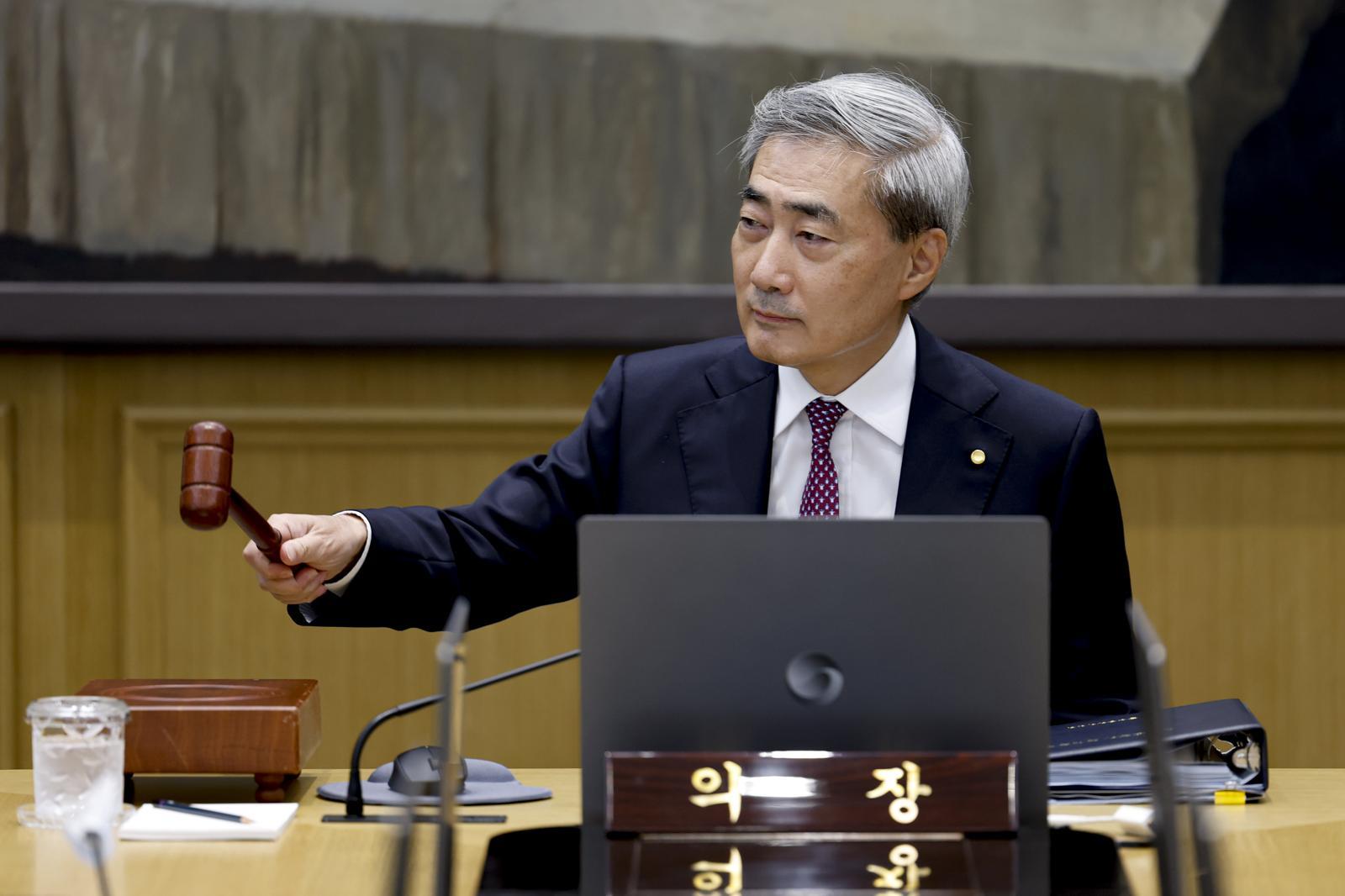
Bank of Korea Raises Key Rate by 0.25% Point, Entering Tightening Phase After 3.5 Years
Translated from Korean, summarized and contextualized by DistantNews.
At a glance
News
Sources not specified
New plan
- The Bank of Korea raised its benchmark interest rate by 0.25 percentage points to 2.75%, signaling a shift to a tightening monetary policy.
- This move aims to curb rising inflation, which has exceeded the central bank's target, and address financial stability risks.
- The rate hike narrows the gap with the U.S. Federal Reserve's rates, potentially impacting the exchange rate.
South Korea's central bank has signaled a definitive end to its accommodative monetary policy, raising the benchmark interest rate by 0.25 percentage points to 2.75%. This marks the first increase in 3 years and 6 months, signaling a decisive shift into a tightening cycle.
The decision by the Monetary Policy Board comes amid persistent inflationary pressures. Consumer price inflation has consistently surpassed the Bank of Korea's medium-term target of 2%, reaching 3.1% in May and 3.2% in June. The bank projects inflation to remain elevated, hovering around 3% year-on-year in the latter half of the year. This concern is amplified by the rising cost of living index, which has steadily climbed since February.
The Middle East war has ended, but it will take a long time for international oil prices to stabilize, and consumer prices will remain high for a considerable period.
Governor Shin Hyun-song had previously indicated the need for a rate hike, citing the "continued price increases above the target level, improving growth momentum, and increasing financial stability risks." International factors, including volatile oil prices following regional conflicts, also contribute to the inflationary outlook.
Furthermore, the elevated exchange rate played a role in the decision. The won has been under pressure, partly due to geopolitical tensions and ongoing foreign investor outflows. While the rate hike narrows the differential with the U.S. Federal Reserve's rates, which remain higher, it aims to stabilize the currency and mitigate imported inflation.
Considering the continued price increases above the target level, improving growth momentum, and increasing financial stability risks, it is judged that there is a need to raise the benchmark interest rate at an appropriate time.
DistantNews Editorial
Originally published by Dong-A Ilbo in Korean. Translated, summarized, and contextualized by our editorial team with added local perspective. Read our editorial standards.
More Stories


From Our Blog

What Gets Lost (and Found) When News Is Translated

The Critical Role of Diaspora Media in Global News

What Travellers Should Know About Countries with Restricted Press

A Digital Nomad's Guide to Following Local News

How the Same Story Looks Different in Different Countries
