



Bank of Korea warns underlying inflation will keep rising
Translated from Korean and summarized by DistantNews. Read the original for the full story.
At a glance
News
Named sources
Ongoing story
- The Bank of Korea said consumer-price growth would remain high, driven mainly by underlying inflation, despite expectations that September’s headline rate would ease from August.
- August consumer inflation rose to 3.1% year on year, while underlying inflation reached 3.4% and living-cost inflation rose to 3.2%.
- The central bank cited the transmission of cost shocks, stronger demand pressures and uncertainty linked to the war in the Middle East as risks to the inflation outlook.
The Bank of Korea expects underlying inflation to maintain a persistent upward trend, keeping consumer prices on a high trajectory despite some temporary factors easing in September.
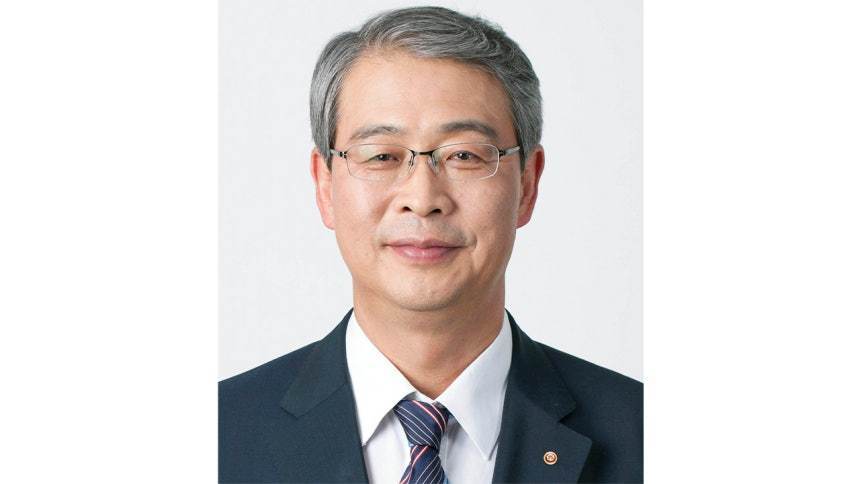
At a meeting chaired by Deputy Governor Lee Ji-ho, the central bank reviewed recent price movements and the outlook. Lee said August consumer inflation accelerated from the previous month because a base effect from last year’s telecommunications discounts faded. Lower maximum prices for petroleum products and the government’s discounts on agricultural, livestock and fishery goods limited the increase.
September consumer inflation is expected to be lower than in August as the base effect disappears, but a persistent upward trend is expected to continue, centered on underlying items.
Underlying inflation rose more sharply as prices for durable goods increased and base effects exerted a strong influence. Consumer prices climbed 3.1% in August from a year earlier, up from 2.8% in July. Underlying inflation reached 3.4%, compared with 2.6% the previous month, while living-cost inflation rose to 3.2% from 2.5%.
Lee said September’s headline inflation rate would likely fall below August’s level as the base effect disappeared. He nevertheless warned that underlying items would continue to show a steady rise. The central bank also pointed to continuing uncertainty related to the war in the Middle East, the possible pass-through of cost shocks and stronger demand-side pressure as reasons to monitor prices closely.
We expect consumer prices to continue rising at a high rate, centered on underlying inflation, amid still-high uncertainty related to the war in the Middle East, the pass-through of cost shocks and expanding demand-side pressure.
About this summary
Originally published by Dong-A Ilbo in Korean. Translated, summarized, and contextualized automatically by DistantNews, with a note on how the source frames the story. Not individually reviewed before publishing. How this works.
More Stories


From Our Blog

What Gets Lost (and Found) When News Is Translated

The Critical Role of Diaspora Media in Global News

What Travellers Should Know About Countries with Restricted Press

A Digital Nomad's Guide to Following Local News

How the Same Story Looks Different in Different Countries
