


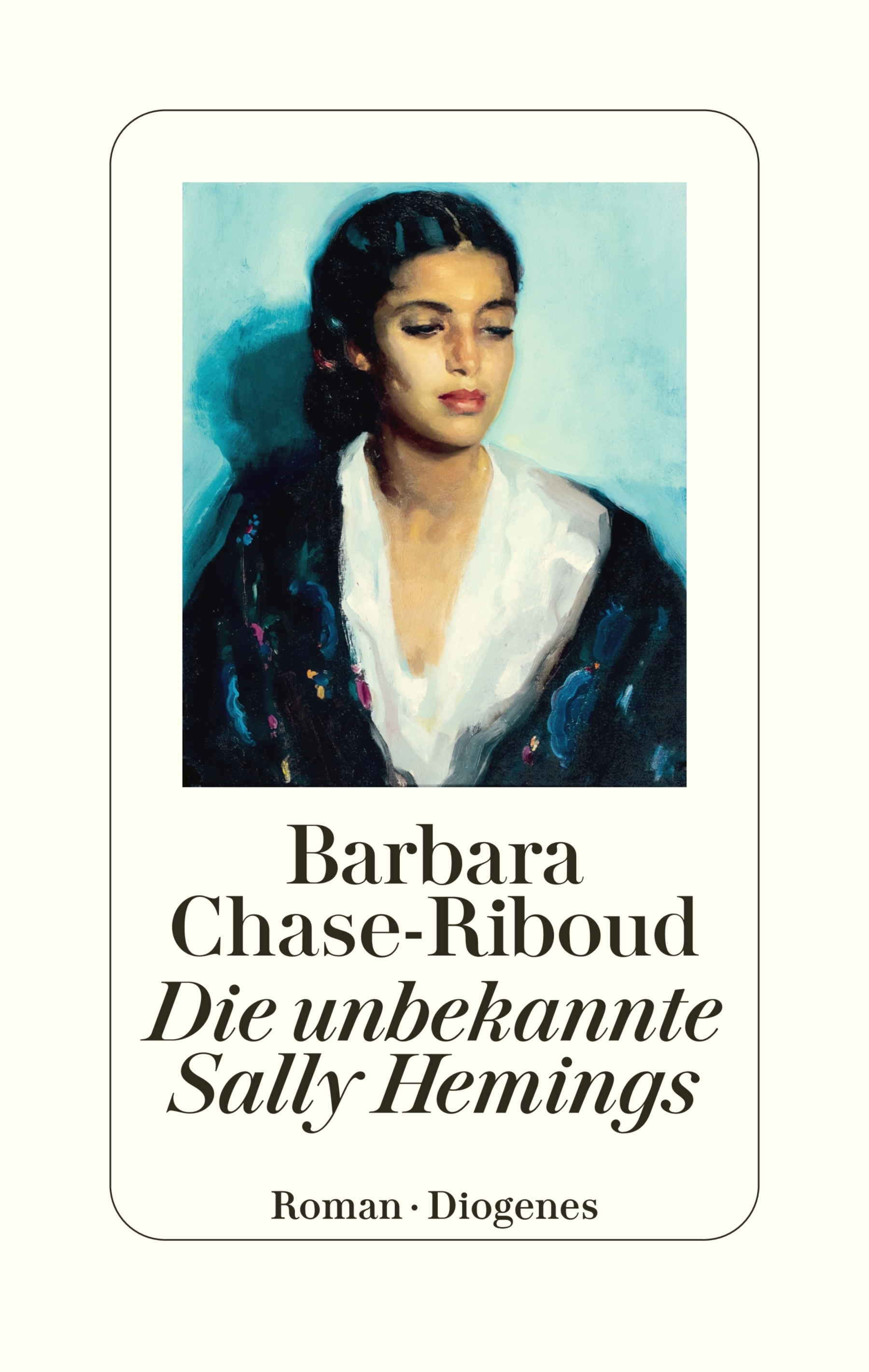
Barbara Chase-Riboud: Thomas Jefferson and his enslaved lover
Translated from German, summarized and contextualized by DistantNews.
At a glance
In-depth
Sources not specified
Context piece
- Author and artist Barbara Chase-Riboud's novel "The Unknown Sally Hemings" re-examines the relationship between Thomas Jefferson and his enslaved half-sister, Sally Hemings.
- The novel explores their complex relationship, which began when Jefferson, then a U.S. envoy in Paris, took the 15-year-old Hemings as his lover.
- Chase-Riboud's work delves into the historical contradictions of a nation founded on human rights that practiced brutal slavery, highlighting Jefferson's own role as a major slave owner.
Barbara Chase-Riboud's novel, "The Unknown Sally Hemings," offers a nuanced portrayal of the relationship between U.S. Founding Father Thomas Jefferson and Sally Hemings, his enslaved half-sister. The book, originally published in 1979 and recently reissued, delves into the complexities of their liaison, which began when Jefferson, serving as the U.S. envoy in Paris, brought Hemings, then 15, into his bed.
The narrative highlights the significant power imbalance and age difference between Jefferson, over forty, and Hemings. Despite her enslaved status, Hemings's brother, James, a trained chef in Paris, attempted to negotiate her freedom. However, James ultimately returned to Virginia with Jefferson, remaining enslaved himself, a situation Chase-Riboud depicts as illustrative of the era's intricate entanglements and hypocrisy.
Chase-Riboud, who resides in Rome and Paris, uses her knowledge of the French capital to enrich the story. The novel confronts the historical paradox of the United States, a nation founded on ideals of liberty and human rights, yet deeply entrenched in the brutal practice of slavery. Jefferson himself, the author of the Declaration of Independence, was a major plantation owner in Virginia, with Monticello operated by enslaved individuals.
While Jefferson's wife, Martha Wayles, died during childbirth, leading to Jefferson's documented grief, the novel focuses on his subsequent relationship with Martha's half-sister, Sally Hemings. The story challenges simplistic interpretations, suggesting a more multifaceted dynamic than mere coercion, as Hemings appears to have harbored feelings for Jefferson, even when she could have potentially gained freedom in France, where slavery was abolished.
DistantNews Editorial
Originally published by Die Presse in German. Translated, summarized, and contextualized by our editorial team with added local perspective. Read our editorial standards.
More Stories



From Our Blog

What Gets Lost (and Found) When News Is Translated

The Critical Role of Diaspora Media in Global News

What Travellers Should Know About Countries with Restricted Press

A Digital Nomad's Guide to Following Local News

How the Same Story Looks Different in Different Countries
