


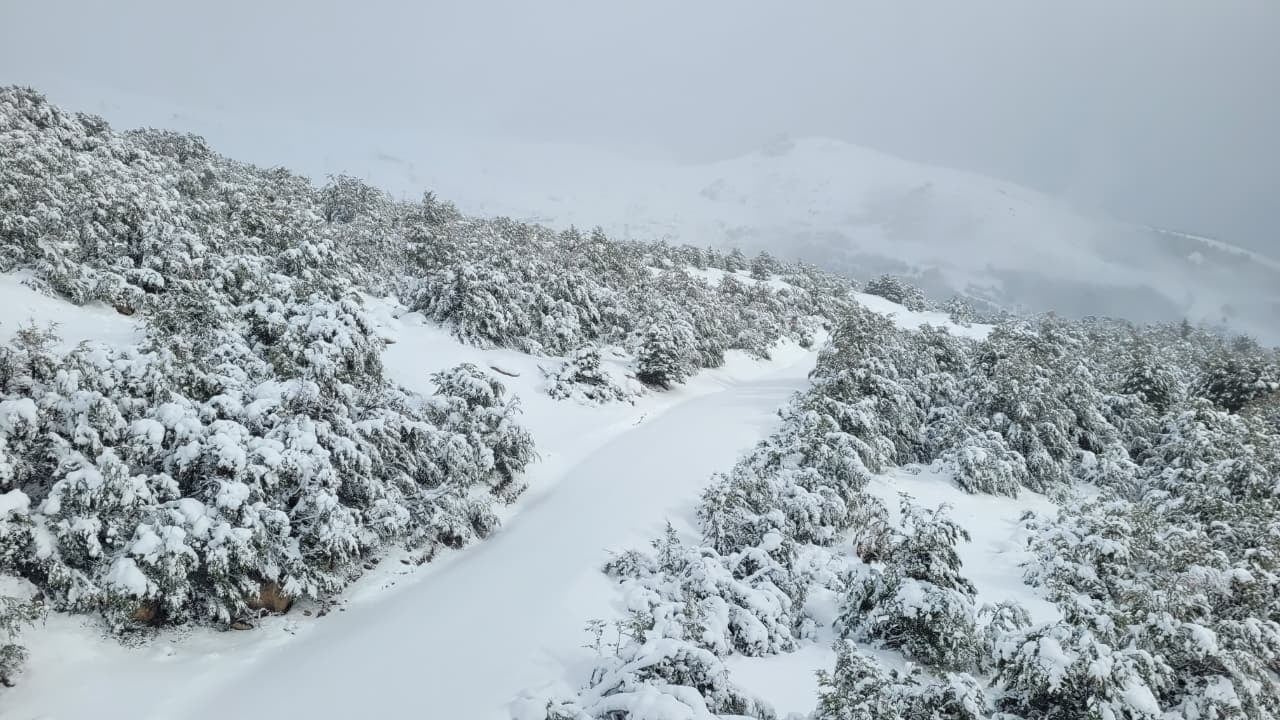
Bariloche Anticipates Higher Winter Tourism Revenue Despite Visitor Dip
Translated from Spanish, summarized and contextualized by DistantNews.
At a glance
News
Named sources
Context piece
- Bariloche expects higher tourism revenue this winter despite a slight drop in visitor numbers.
- Projections show a 1.4% increase in overnight stays and a 1% rise in direct tourist spending.
- Brazilian tourists are expected to increase, while spending is higher among a wealthier national segment.
Bariloche is anticipating a winter tourism season with stable activity and a shift in visitor profile, projecting higher overall revenue despite a slight decrease in arrivals. The latest report from the Bariloche Hotel and Gastronomic Business Association (Aehgb) forecasts that between July and September, the city will welcome approximately 473,000 visitors. This figure represents a 1.5% decline compared to the 2025 season.
However, other indicators point to a more robust economic impact. Overnight stays are expected to increase by 1.4% year-on-year, averaging four to five days per tourist. Direct tourist spending is also projected to rise by 1%, reaching an estimated 279 billion pesos. This suggests that while fewer tourists may visit, those who do will extend their stays and spend more, compensating for the lower arrival numbers and supporting the local tourism sector.
We are seeing a very interesting movement from the Brazilian segment, which will have a volume close to 50,000 tourists. It is an important number, but it does not compensate for the drop we are observing in national tourism. Yes, there will be Argentines visiting us, but in general it is an audience with greater purchasing power compared to the wide and diverse offer that the city has.
Martín Lago, president of the Aehgb, highlighted a significant influx of Brazilian tourists, estimated at around 50,000. While this volume is important, it does not fully offset the decline in domestic tourism. He noted that the Argentines visiting are generally from a higher socioeconomic background, drawn by the city's diverse offerings. This trend could lead to a concentration of demand in mid-range and some higher-end hotels.
Lago also stated that Bariloche remains competitive in terms of pricing compared to other destinations. However, he identified the cost of air travel as the primary barrier for both domestic and international visitors. This factor is expected to keep occupancy rates around 80%, similar to the previous winter. The report contrasts this outlook with May 2026, which saw a significant 11.9% drop in arrivals due to seasonality and economic conditions.
That is today the main barrier to access the destination, both in domestic and international flights. This explains why we project very similar operations to the previous winter, with occupancy rates close to 80%.
DistantNews Editorial
Originally published by La Nación in Spanish. Translated, summarized, and contextualized by our editorial team with added local perspective. Read our editorial standards.
More Stories


From Our Blog

What Gets Lost (and Found) When News Is Translated

The Critical Role of Diaspora Media in Global News

What Travellers Should Know About Countries with Restricted Press

A Digital Nomad's Guide to Following Local News

How the Same Story Looks Different in Different Countries
