


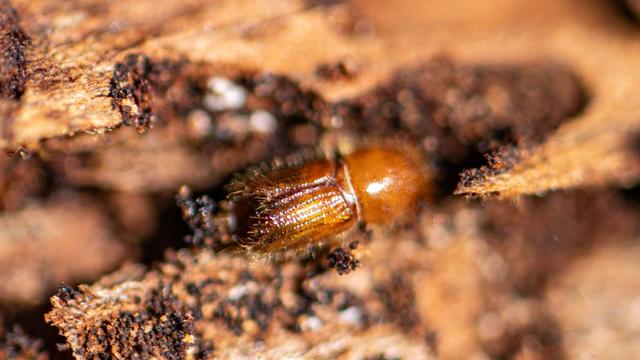
Bark beetle damage in Thuringia significantly reduced
Translated from German, summarized and contextualized by DistantNews.
At a glance
News
Sources not specified
Outcome reported
- Forest damage from bark beetles in Thuringia has significantly decreased.
- The reduction is attributed to effective forest management and favorable weather conditions.
- This trend offers relief to forest owners and aids in the recovery of affected woodlands.
Forest damage caused by bark beetles in Thuringia has seen a significant decline, offering a much-needed respite to the region's woodlands and forest owners. This positive development is largely credited to a combination of effective forest management strategies and weather patterns conducive to forest health.
For years, Thuringia's forests, particularly its spruce stands, have been heavily impacted by bark beetle infestations, exacerbated by drought and storm damage. These outbreaks led to vast amounts of salvageable timber, posing economic and ecological challenges. The current reduction in damaged wood suggests that ongoing efforts to manage and protect the forests are yielding positive results.
Forestry officials and experts point to a multi-pronged approach that includes early detection, rapid removal of infested trees, and promoting mixed forests that are more resilient to pests and climate change. Favorable weather conditions, such as adequate rainfall and moderate temperatures, have also played a crucial role in supporting the trees' natural defenses and hindering beetle reproduction.
The decrease in salvageable timber not only alleviates the pressure on forest management but also provides a more stable outlook for the timber industry. It allows for a greater focus on long-term forest health and regeneration, aiming to build more robust and diverse ecosystems capable of withstanding future environmental stresses.
DistantNews Editorial
Originally published by Die Zeit in German. Translated, summarized, and contextualized by our editorial team with added local perspective. Read our editorial standards.
More Stories


From Our Blog

What Gets Lost (and Found) When News Is Translated

How the Same Story Looks Different in Different Countries

The Critical Role of Diaspora Media in Global News

What Travellers Should Know About Countries with Restricted Press

A Digital Nomad's Guide to Following Local News
