


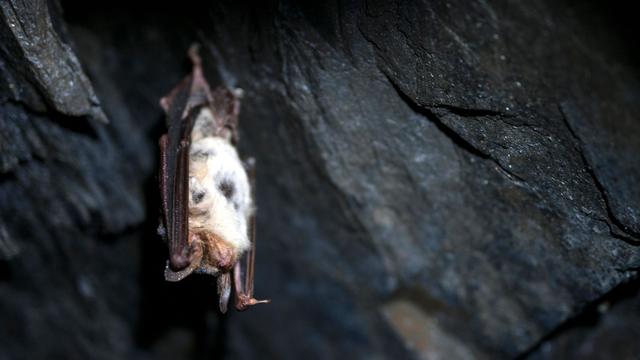
Bats in Thuringia: Conservation efforts amid threats
Translated from German and summarized by DistantNews. Read the original for the full story.
At a glance
News
Sources not specified
Context piece
- Thuringia is home to approximately 20 bat species, with International Bat Night events aiming to raise awareness for these threatened creatures.
- The exact population size of bats in Thuringia is unknown, and many species are listed as endangered or critically endangered due to factors like climate change and declining insect populations.
- Experts emphasize the importance of not touching bats found on the ground and contacting nature conservation authorities for assistance.
Thuringia, Germany, is home to a diverse array of bats, with around 20 different species recorded in the state. To highlight the plight of these often-misunderstood creatures, events are being held across the region as part of the International Bat Night, an initiative spanning over 35 countries. These events, including those in Jena and Bad Liebenstein, aim to draw attention to the conservation needs of bats.
Despite the presence of numerous species, the precise number of bats inhabiting Thuringia remains unclear. Martin Biedermann from the Bat Foundation notes that while long-term monitoring of bat roosts is conducted on behalf of the state environmental office, a significant number of roosts likely go undocumented. The bats, originally forest dwellers, have adapted to a variety of habitats, including churches, private homes, and old mine shafts.
Identifying different bat species can be challenging, requiring close examination of physical characteristics like size and ear shape, as well as analysis of their ultrasonic calls using specialized detectors. Experts like Biedermann advise against handling bats found on the ground, as they are wild animals that could potentially carry rabies. Instead, they recommend carefully placing a grounded bat into a small, cloth-lined box and contacting local nature conservation authorities.
Conservationists express significant concern for the future of bats in Thuringia. With the exception of one species, all others are listed on Germany's Red List, categorized as endangered or critically endangered. Factors contributing to this decline include climatic fluctuations, such as extreme temperature shifts, and a noticeable decrease in insect populations, which form the primary food source for bats. "Long-term, we are worried that climate change will also put bats under strain," Biedermann stated.
Long-term, we are worried that climate change will also put bats under strain.
About this summary
Originally published by Die Zeit in German. Translated, summarized, and contextualized automatically by DistantNews, with a note on how the source frames the story. Not individually reviewed before publishing. How this works.
More Stories


From Our Blog

What Gets Lost (and Found) When News Is Translated

How the Same Story Looks Different in Different Countries

The Critical Role of Diaspora Media in Global News

What Travellers Should Know About Countries with Restricted Press

A Digital Nomad's Guide to Following Local News
