

 Image: commons.wikimedia.org
Battle of Mohács: 500 years on, a clash that reshaped Europe
Translated from Czech and summarized by DistantNews. Read the original for the full story.
At a glance
News
Sources not specified
Outcome reported
- The 1526 Battle of Mohács, occurring 500 years ago, had profound and lasting impacts on Central European history.
- The battle led to the end of the Jagiellonian dynasty's rule in Bohemia and Hungary, paving the way for Habsburg ascendancy.
- It also facilitated Ottoman expansion into Hungary and significantly altered the geopolitical landscape of Europe.
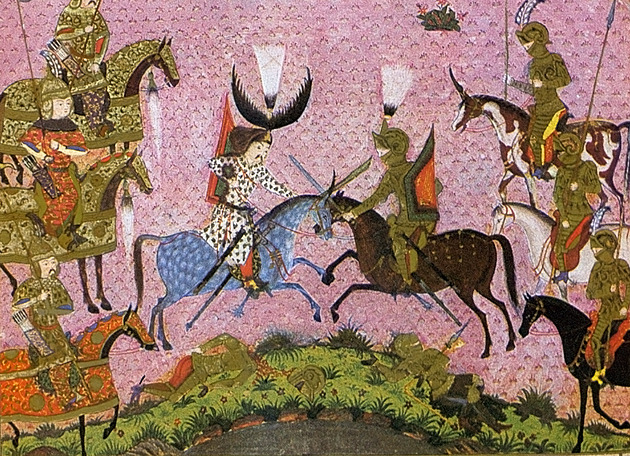
Five centuries ago, on August 29, 1526, the Battle of Mohács irrevocably altered the course of European history. This pivotal clash resulted in the swift defeat of the Hungarian and Bohemian armies, leading to the demise of the Jagiellonian dynasty that had ruled both kingdoms.
The Ottoman Sultan Suleiman the Magnificent's decisive victory not only eliminated the reigning monarchs but also created a power vacuum. This vacuum was soon filled by the Habsburgs, who claimed the Bohemian and Hungarian thrones, thus establishing their significant presence in Central Europe.
Furthermore, the battle served as a gateway for further Ottoman expansion into Hungary, profoundly shaping the region's political and cultural trajectory for centuries. The consequences of this single day's conflict extended far beyond the battlefield, influencing dynastic successions, imperial ambitions, and the very borders of European nations.
About this summary
Originally published by iDNES in Czech. Translated, summarized, and contextualized automatically by DistantNews, with a note on how the source frames the story. Not individually reviewed before publishing. How this works.
More Stories



From Our Blog

What Gets Lost (and Found) When News Is Translated

The Critical Role of Diaspora Media in Global News

What Travellers Should Know About Countries with Restricted Press

A Digital Nomad's Guide to Following Local News

How the Same Story Looks Different in Different Countries
