

Bàu Hàn is being 'strangled' | Thanh Niên (VN)
Translated from Vietnamese, summarized and contextualized by DistantNews.
At a glance
News
Sources not specified
Context piece
- Bàu Hàn, a vital waterway in Hương Sơn district, Vietnam, is severely polluted by water hyacinths and wastewater.
- Locals report the water has turned black, emits foul odors, and is overrun with insects and pests due to decaying vegetation and sewage.
- Decades of neglect, the construction of a dike, and a lack of unified management have turned the once-clean water body into a stagnant reservoir of pollution.
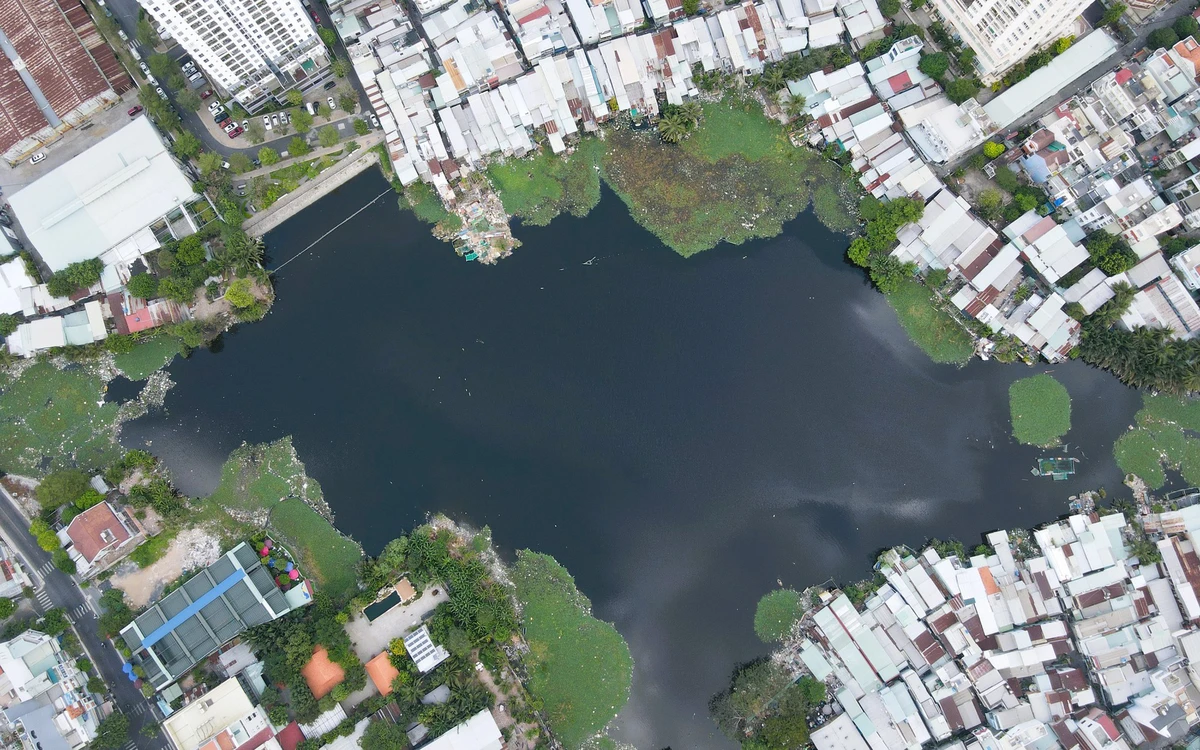
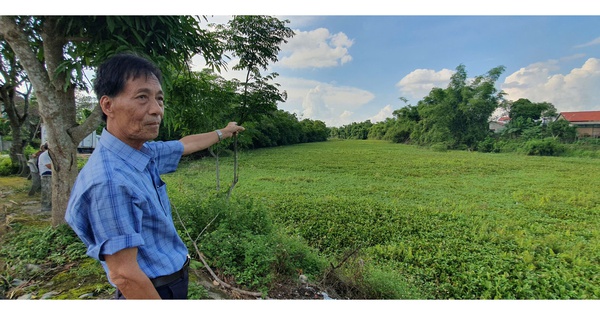
Bàu Hàn, a once-important distributary of the Ngàn Phố river in Vietnam's Hương Sơn district, is now choked by invasive water hyacinths and overwhelmed by pollution. Once a source of clean water, fish, and a vital part of daily life for residents of Tứ Mỹ commune, the 6-kilometer waterway now presents a grim picture of environmental degradation.
Bàu Hàn used to have clean water with abundant aquatic resources. But now, the water in many sections has turned black and emits a foul odor due to decaying water hyacinths mixed with domestic wastewater discharged from residential areas.
Locals describe the water as black and emitting a foul stench, a stark contrast to its former clarity. The decomposition of water hyacinths, combined with untreated domestic sewage and livestock waste discharged directly into the bàu, has created a toxic mixture. Residents like 58-year-old Phạm Văn Đàn complain of sleepless nights and loss of appetite due to the pervasive pollution and the proliferation of insects and snakes attracted by the stagnant conditions.
Decades ago, the construction of the Choi dike severed Bàu Hàn's natural water flow, transforming it into a stagnant, isolated body of water. Years of neglect have led to severe siltation, creating floating landmasses and overgrown vegetation. This lack of maintenance, coupled with a "tragedy of the commons" scenario where no single entity claimed responsibility for its upkeep, has allowed Bàu Hàn to become a massive dumping ground for wastewater.
Water hyacinths cover the water surface year after year, causing a lot of flies, mosquitoes, snakes, and scorpions to multiply and even enter people's homes. Air and water pollution make us unable to eat or sleep well. Residents have repeatedly petitioned the authorities, but the situation has not improved much.
While some residents have been granted leases to farm fish in small sections, leading to localized clean-ups, the majority of Bàu Hàn remains heavily polluted. Residents are desperately calling for a comprehensive, long-term solution, such as dredging the waterway, to revive this vital "green lung" for the region, rather than relying on temporary, superficial clean-up campaigns.
Previously, Bàu Hàn belonged to the administrative boundaries of many different communes, so there was no single management authority. Everyone discharged waste as they pleased, and over time, this place became a wastewater reservoir. The stagnant water could not self-purify, causing the underwater ecosystem to be almost completely depleted.
DistantNews Editorial
Originally published by Thanh Niên in Vietnamese. Translated, summarized, and contextualized by our editorial team with added local perspective. Read our editorial standards.
More Stories
From Our Blog

What Gets Lost (and Found) When News Is Translated

The Critical Role of Diaspora Media in Global News

What Travellers Should Know About Countries with Restricted Press

A Digital Nomad's Guide to Following Local News

How the Same Story Looks Different in Different Countries
