

Bavaria Calls for a Slimmer, Reformed European Union
Translated from German and summarized by DistantNews. Read the original for the full story.
At a glance
Newswire
Official statement
New plan
- Bavaria’s state government, led by Markus Söder, is calling for broad EU reforms, fewer regulations and a smaller administrative structure.
- Its proposals include an EU hiring freeze, fewer European commissioners and cuts to agencies and Parliament-related costs.
- Bavaria opposes expanding the EU budget for 2028 to 2034, while Söder said the state remained pro-European.
Bavaria’s government wants the European Union to become smaller, less regulated and less expensive. Its new "Europe Plan" calls for a hiring freeze, fewer commissioners and a reduction in the bloc’s agencies.
We are pro-Europe.
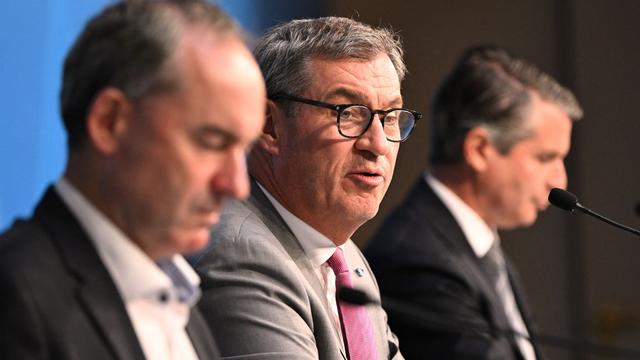
Minister-President Markus Söder presented the proposals after a cabinet meeting in Munich. He repeatedly stressed that Bavaria was "pro-Europe", but said the EU needed urgent reform to become stronger. The plan argues that excessive regulation and detailed administrative controls are eroding public acceptance.
The Bavarian government points to measures involving plastic bottle caps, plastic straws, vacuum cleaners and televisions above 900 watts, as well as rules governing insects in food. It is calling for a moratorium on new standards and an end to what it describes as excessive interference. Söder said the EU currently had 30,000 directives, regulations and related decisions, with more than 1,400 new legal acts adopted in 2025.
To make this Europe strong, we must change something.
The plan also rejects new EU authorities, agencies and posts. Bavaria says the EU employs about 60,000 people and has announced 2,500 additional positions. It wants the number of commissioner posts cut to two-thirds of the current level and EU agencies reduced by at least one-third.
There is too much bureaucracy, too much interference, too much micromanagement.
The European Parliament should also save money, Bavaria says, particularly by ending or reducing the monthly movement of its plenary between Brussels and Strasbourg, which involves up to 4,500 people. The state opposes expanding the EU budget for 2028 to 2034. European Affairs Minister Eric Beißwenger is expected to coordinate the plan with Germany’s other states as chairman of the conference of European affairs ministers.
The administration must go on a diet.
About this summary
Originally published by Die Zeit in German. Translated, summarized, and contextualized automatically by DistantNews, with a note on how the source frames the story. Not individually reviewed before publishing. How this works.
More Stories

From Our Blog

What Gets Lost (and Found) When News Is Translated

How the Same Story Looks Different in Different Countries

The Critical Role of Diaspora Media in Global News

What Travellers Should Know About Countries with Restricted Press

A Digital Nomad's Guide to Following Local News
