


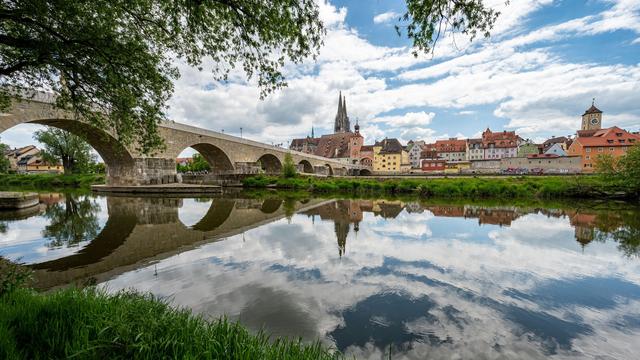
Bavaria celebrates UNESCO World Heritage Day, highlighting Regensburg
Translated from German, summarized and contextualized by DistantNews.
At a glance
News
Sources not specified
Context piece
- Bavaria is celebrating its UNESCO World Heritage sites with a nationwide event, highlighting Regensburg's historic old town, which received the designation 20 years ago.
- The event invites visitors to explore heritage sites from various perspectives, with numerous activities planned in Regensburg and across Germany.
- Bavarian sites include the Würzburg Residence, Wieskirche, Bamberg's old town, the Roman Limes, and prehistoric pile dwellings around the Alps.
Bavaria is rolling out the red carpet for its UNESCO World Heritage sites during a nationwide celebration, with the historic old town of Regensburg taking center stage. This year's World Heritage Day focuses on Regensburg, which was awarded the coveted UNESCO title for its old town 20 years ago in 2006. The event aims to offer visitors a multifaceted look at these cultural treasures.
Throughout the weekend, Regensburg will host a variety of events, showcasing not only its own rich history but also other World Heritage sites from across Germany. This initiative provides a unique opportunity for the public to engage with diverse historical landscapes and architectural marvels, fostering a deeper appreciation for their significance.
Bavaria boasts an impressive collection of UNESCO World Heritage sites. These include the opulent Würzburg Residence, recognized in 1981 for its stunning Baroque architecture and Tiepolo frescoes. The picturesque Wieskirche pilgrimage church, a masterpiece of Bavarian Rococo, followed in 1983. Bamberg's exceptionally well-preserved medieval and Baroque townscape earned its status in 1993. The ancient Roman Limes, the former border of the Roman Empire, was recognized in stages, with parts in Bavaria designated in 2005 and the Danube Limes added in 2021. Regensburg itself benefits from the latter designation as well, with parts of the Danube Limes located within the city. Finally, the prehistoric pile dwellings around the Alps, shared across six European countries, were inscribed in 2011.
DistantNews Editorial
Originally published by Die Zeit in German. Translated, summarized, and contextualized by our editorial team with added local perspective. Read our editorial standards.
More Stories



From Our Blog

What Gets Lost (and Found) When News Is Translated

How the Same Story Looks Different in Different Countries

The Critical Role of Diaspora Media in Global News

What Travellers Should Know About Countries with Restricted Press

A Digital Nomad's Guide to Following Local News
