

Bavaria's Agricultural Land Shrinks Amidst Concerns Over Land Use and Organic Farming Goals
Translated from German, summarized and contextualized by DistantNews.
At a glance
News
Official statement
Outcome reported
- Agricultural land in Bavaria has decreased to just over 3.038 million hectares, down from 3.088 million hectares in the previous year.
- The state government aims for 30% of agricultural land to be organically farmed by 2030, but the current organic share is only 13.8%.
- Grain remains a key crop, with wheat and silage maize being the most cultivated.
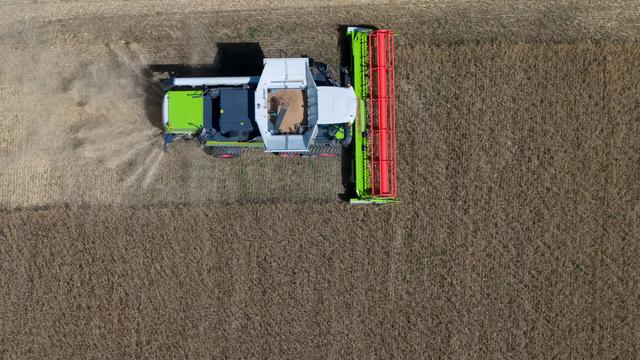
The area of agricultural land in Bavaria continues to shrink, with current figures showing just over 3.038 million hectares under cultivation by farmers. This represents a decrease from 3.088 million hectares in the previous year and 3.100 million hectares the year before. A decade ago, in 2016, Bavaria had 3.156 million hectares dedicated to fields and meadows for agricultural use.
Farmers and environmental groups in Bavaria have long voiced concerns over the significant consumption of land for development projects, such as commercial zones and new roads. Meanwhile, the share of organically farmed land has seen a slight increase. According to the State Office for Statistics, the organic share now stands at 13.8 percent, up from 12.8 percent last year. This growth falls short of the state government's ambitious goal to have 30 percent of agricultural land farmed organically by 2030, a target that appears increasingly difficult to achieve given the time required for farms to transition from conventional to organic practices.
Silage maize is the most important crop in Bavaria, covering 522,442 hectares and used primarily as animal feed or for energy production in biogas plants. Grain cultivation is also significant, with wheat being the leading grain crop at 484,878 hectares, followed by barley at 277,144 hectares. These figures highlight the ongoing importance of traditional agriculture in the region, even as the total land available for farming diminishes.
DistantNews Editorial
Originally published by Die Zeit in German. Translated, summarized, and contextualized by our editorial team with added local perspective. Read our editorial standards.
More Stories

From Our Blog

What Gets Lost (and Found) When News Is Translated

How the Same Story Looks Different in Different Countries

The Critical Role of Diaspora Media in Global News

What Travellers Should Know About Countries with Restricted Press

A Digital Nomad's Guide to Following Local News
