

Bayreuth Festival: Friedman Calls for Fight Against the Right at Anniversary
Translated from German, summarized and contextualized by DistantNews.
At a glance
News
Named sources
Context piece
- The Bayreuth Festival commemorated its 150th anniversary with a strong stance against right-wing extremism.
- Festival director Katharina Wagner emphasized the need to reject racism and antisemitism, acknowledging her family's historical ties to the Nazi regime.
- Publicist Michel Friedman praised Wagner for transforming the festival's engagement with its difficult past, particularly its association with Richard Wagner's antisemitism and the Nazi era.
The Bayreuth Festival marked its 150th anniversary by issuing a powerful call for freedom and democracy, directly confronting the rise of right-wing extremism in society and politics. Festival director Katharina Wagner declared at the celebratory event that the festival must stand against racism, antisemitism, chauvinism, and the trivialization of history. She underscored the particular significance of this stance due to her family's "very personal connection" to the Nazi regime under Adolf Hitler.
We must say 'no' here against racism, antisemitism, chauvinism, and a trivialization of history.
Wagner, the great-granddaughter of composer and festival founder Richard Wagner, stated that the Bayreuth Festival has never been detached from its time. Therefore, she emphasized, the anniversary is "far more than an occasion to celebrate." The goal, she asserted, must be to "take tradition seriously without glorifying it" to ensure "the future does not once again end in the darkness of the past."
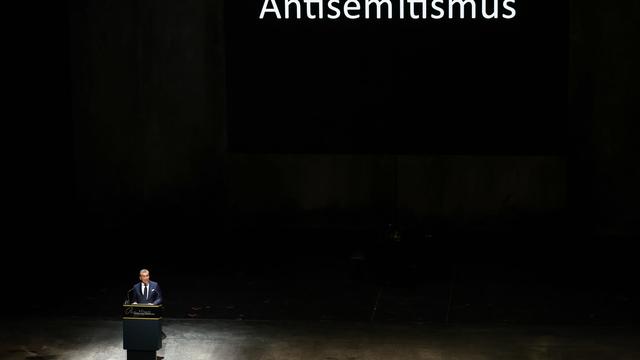
Jewish publicist Michel Friedman described this shift as a paradigm change at the Green Hill. Speaking at a commemorative event for persecuted Jewish musicians, he praised Katharina Wagner for "changing Bayreuth's culture of remembrance" and called her "my friend." Friedman declared, "Today I have the word, and the antisemite Richard Wagner must listen."
The Bayreuth Festival was never detached from its time.
The festival carries a dark legacy. Richard Wagner authored antisemitic writings and expressed clear antisemitic views. Later, the festival became closely associated with nationalist ideology and eventually with National Socialism. Hitler was a frequent guest in Bayreuth, and Katharina Wagner's grandmother, Winifred Wagner, who led the festival at the time, was a fervent admirer. Following World War II, Friedman noted, the focus was on closing this dark chapter. He cited the wish of Wieland and Wolfgang Wagner, who reopened the festival in 1951 and explicitly asked guests to "kindly refrain from conversations and debates of a political nature."
Today I have the word, and the antisemite Richard Wagner must listen.
Friedman argued that the festival had done too little for years to confront its own history. He also criticized media and politics for celebrating musical enjoyment rather than questioning the historical context of the venue, suggesting a desire to overlook the "brown earth" beneath the "lovingly spoken of" Green Hill.
How lovingly the Green Hill is spoken of in the hope that one does not see the brown earth beneath.
DistantNews Editorial
Originally published by Die Zeit in German. Translated, summarized, and contextualized by our editorial team with added local perspective. Read our editorial standards.
More Stories


From Our Blog

What Gets Lost (and Found) When News Is Translated

How the Same Story Looks Different in Different Countries

The Critical Role of Diaspora Media in Global News

What Travellers Should Know About Countries with Restricted Press

A Digital Nomad's Guide to Following Local News
