


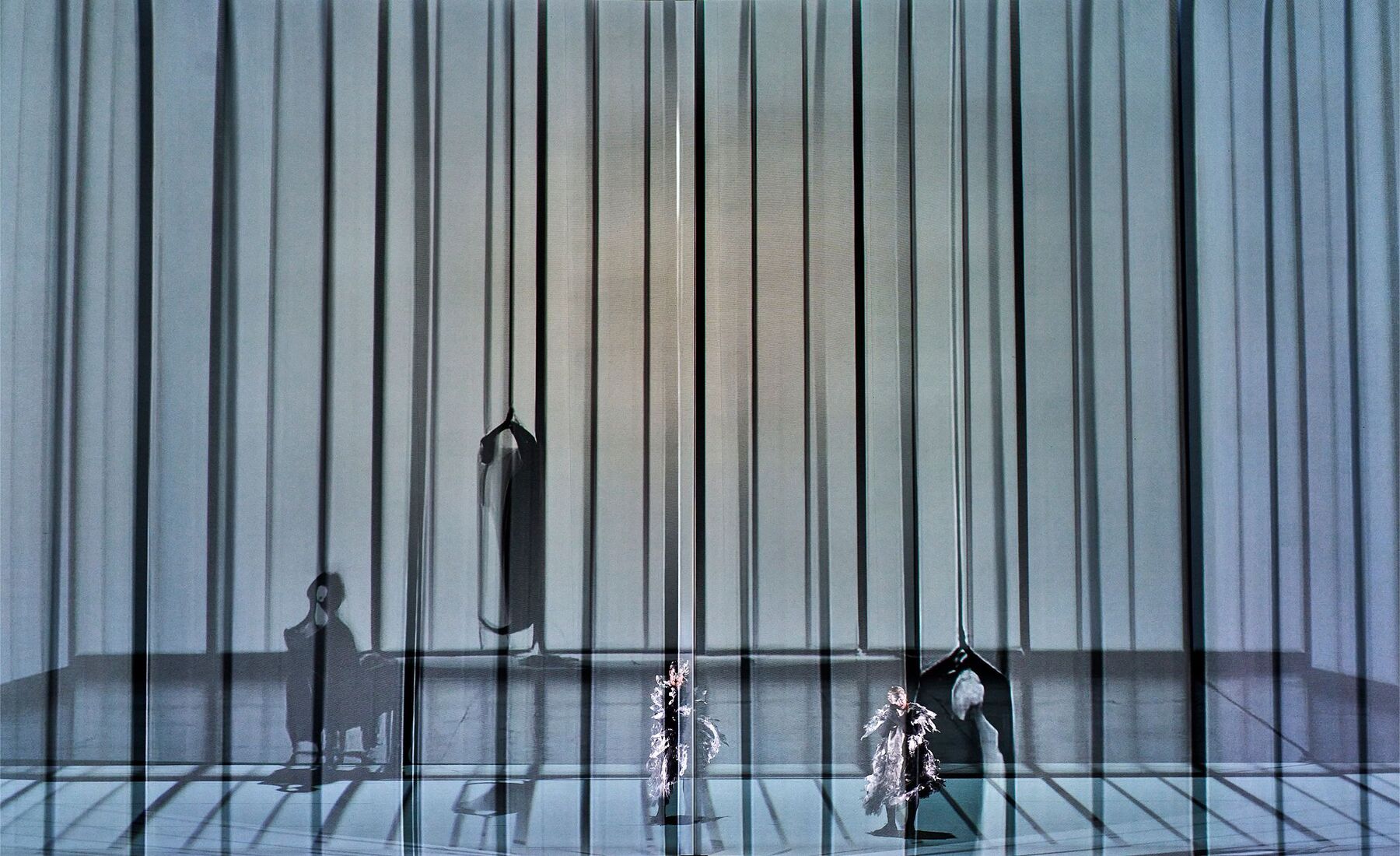
Bayreuth's Experimental 'Ring' Cycle Explores Humanity and AI
Translated from German, summarized and contextualized by DistantNews.
At a glance
Analysis
Sources not specified
Context piece
- The Bayreuth Festival's production of Wagner's "Ring" cycle is experimental and prompts deep questions.
- The staging explores themes of humanity and technology, particularly artificial intelligence.
- The production challenges audiences to engage with complex philosophical ideas.
The Bayreuth Festival's new production of Richard Wagner's "Ring" cycle, titled "Das Experiment 'Ring'," is generating discussion for its experimental approach. The staging, which premiered recently, delves into profound questions about humanity's future, particularly in the age of artificial intelligence. It frames the cycle not just as a retelling of myth but as a contemporary exploration, asking whether it serves as a paean to humanity or a reflection of its potential obsolescence in the face of technological advancement.
The production's director and designers have opted for a modern interpretation that challenges traditional views of the epic saga. The article suggests that the "Ring" in its new guise sonn't sich selig fortan in KI neuem Glanze, implying a potential embrace of artificial intelligence's perceived brilliance. However, it simultaneously poses the counter-question: Or is it a paean to humanity? This duality invites audiences to contemplate the complex relationship between human spirit and burgeoning technology.
Reviewers note that the production, whether in its successes or failures, forces introspection. It encourages a deep engagement with the philosophical underpinnings of Wagner's work, pushing the boundaries of operatic interpretation. The article implies that the "Ring" at Bayreuth, through its daring choices, prompts audiences to confront uncomfortable questions about their own existence and the trajectory of civilization.
DistantNews Editorial
Originally published by Die Presse in German. Translated, summarized, and contextualized by our editorial team with added local perspective. Read our editorial standards.
More Stories



From Our Blog

What Gets Lost (and Found) When News Is Translated

The Critical Role of Diaspora Media in Global News

What Travellers Should Know About Countries with Restricted Press

A Digital Nomad's Guide to Following Local News

How the Same Story Looks Different in Different Countries
