


Beauty as a Weapon: Art Critiques Power's Deceptive Face
Translated from Korean, summarized and contextualized by DistantNews.
TLDR
- A South Korean art critic uses Lawrence Alma-Tadema's 1888 painting "The Roses of Heliogabalus" to explore the paradoxical relationship between beauty and violence.
- The painting depicts a Roman emperor's cruel amusement of suffocating guests with rose petals, illustrating how power can disguise itself with beauty and lead to insensitivity.
- The article reflects on how beauty can be weaponized and how unchecked power, driven by greed, ultimately leads to downfall, drawing parallels to the emperor's demise.
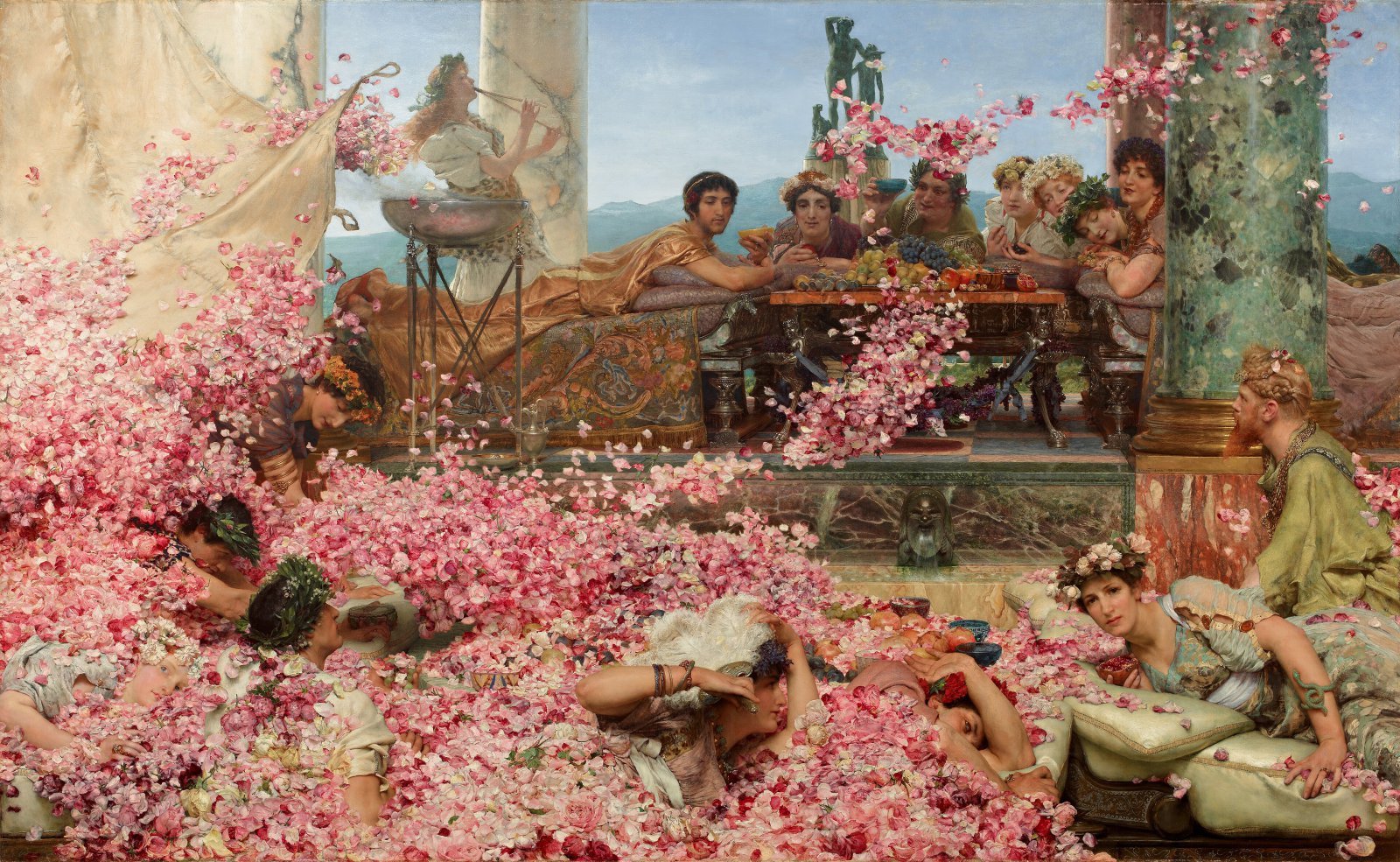
In this installment of "Lee Eun-hwa's Art Time," we delve into the unsettling power of art to confront uncomfortable truths. Lawrence Alma-Tadema's "The Roses of Heliogabalus" is not merely a depiction of a historical anecdote; it is a stark visual metaphor for the insidious nature of power.
Can beauty become a weapon of murder?
The painting masterfully illustrates how beauty, in this case, the overwhelming abundance of rose petals, can serve as a terrifying weapon. The initial awe inspired by the scene quickly transforms into horror as the viewer recognizes the suffocating demise of the guests beneath the fragrant deluge. This serves as a potent reminder that pleasure, when unchecked, can morph into a violent disregard for others.
The roses of Heliogabalus (1888)
The emperor's detached, almost bored expression as he observes the tragedy underscores a critical aspect of corrupted power: its tendency to become desensitized to the suffering it inflicts. Power does not always collapse under the weight of overt cruelty, but rather from a self-absorbed detachment from reality and an insatiable greed. The eventual violent end of Heliogabalus, as depicted in historical accounts and alluded to in the artwork, serves as a timeless warning about the inevitable and often ignominious fate of such regimes.
Power often appears with the face of beauty.
From a Korean perspective, this exploration of art's capacity to critique power structures resonates deeply. We often see art used to challenge authority or reflect societal anxieties. The question posed by the painting—whether the "fragrance of roses" scattered by those in power is becoming a suffocating stench—is a powerful allegory for contemporary concerns about societal well-being and the potential for superficial beauty to mask underlying decay. This piece encourages us to look beyond the surface and question the true nature of the power structures that surround us.
Violence is expressed not with a knife or blood, but with roses.
DistantNews Editorial
Originally published by Dong-A Ilbo in Korean. Translated, summarized, and contextualized by our editorial team with added local perspective. Read our editorial standards.
More Stories


From Our Blog

What Gets Lost (and Found) When News Is Translated

The Critical Role of Diaspora Media in Global News

What Travellers Should Know About Countries with Restricted Press

A Digital Nomad's Guide to Following Local News

How the Same Story Looks Different in Different Countries
