


Becamex Group Proposes Expanding TOD Model to National Railways, Ports in Vietnam
Translated from Vietnamese and summarized by DistantNews. Read the original for the full story.
At a glance
News
Named sources
New plan
- Becamex Group proposes developing TOD (Transit-Oriented Development) models beyond just urban rail, including national railways, ports, and logistics centers.
- The proposal includes reclaiming land from outdated industrial sites, polluting facilities, and traditional markets to facilitate TOD projects.
- Becamex also suggests incorporating the state's economic role in special urban development laws and exploring public-private partnerships for infrastructure management.
Becamex Group has put forward a significant proposal to expand the application of Transit-Oriented Development (TOD) models in Vietnam, suggesting their use not only for urban rail but also for national railways, ports, logistics centers, and other major transportation hubs. The proposal was presented by Mr. Nguyễn Thế Duy, Deputy General Director of Becamex Industrial and Development Investment Corporation, during a consultation workshop on draft special urban development laws organized by the Ho Chi Minh City People's Committee.
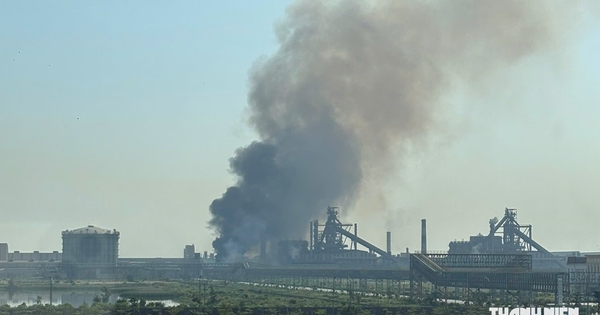
Central to Becamex's proposal is the idea of reclaiming land from underperforming or problematic sites to create TOD zones. This includes converting outdated industrial facilities, businesses causing pollution, areas not aligning with urban planning, dilapidated traditional markets, and surplus land into integrated urban developments. The aim is to optimize land use along key transportation corridors, transforming traditional production areas into high-end urban and service complexes.
The TOD model is a tool for reorganizing development space to rebuild cities and create financial resources for infrastructure development.
Becamex argues that this approach can minimize legal and social risks, as well as reduce the initial financial burden on the state and investors for land clearance. By allowing for asset and land swaps, the process of compensation can be accelerated, fostering greater consensus among displaced residents and businesses. This also aims to attract private capital for urban redevelopment through transparent future financial obligation offsets.
Furthermore, Becamex suggests strengthening the state's economic role within special urban development laws, recognizing state-owned enterprises as crucial instruments for developing public sectors like infrastructure, logistics, industrial zones, healthcare, and education. Mr. Nguyễn Ngọc Hòa, Chairman of the Ho Chi Minh City Business Association, supported expanding public-private partnerships but urged for broader application beyond the current limitations in the draft law, particularly in infrastructure development, citing the potential for private sector management of state-funded metro lines.
We can invest entirely in public metro lines but hand over their management to the private sector, freeing up state resources and creating opportunities for private participation.
About this summary
Originally published by Thanh Niên in Vietnamese. Translated, summarized, and contextualized automatically by DistantNews, with a note on how the source frames the story. Not individually reviewed before publishing. How this works.
More Stories
From Our Blog

News in Translation: What Gets Lost, and How We Keep the Framing

Diaspora Media: How Communities Abroad Follow Home

Traveling Where the Press Is Not Free: How to Read the News There

The Digital Nomad's Guide to Local News

The Same Story, Different Countries: How Coverage Changes at the Border
