


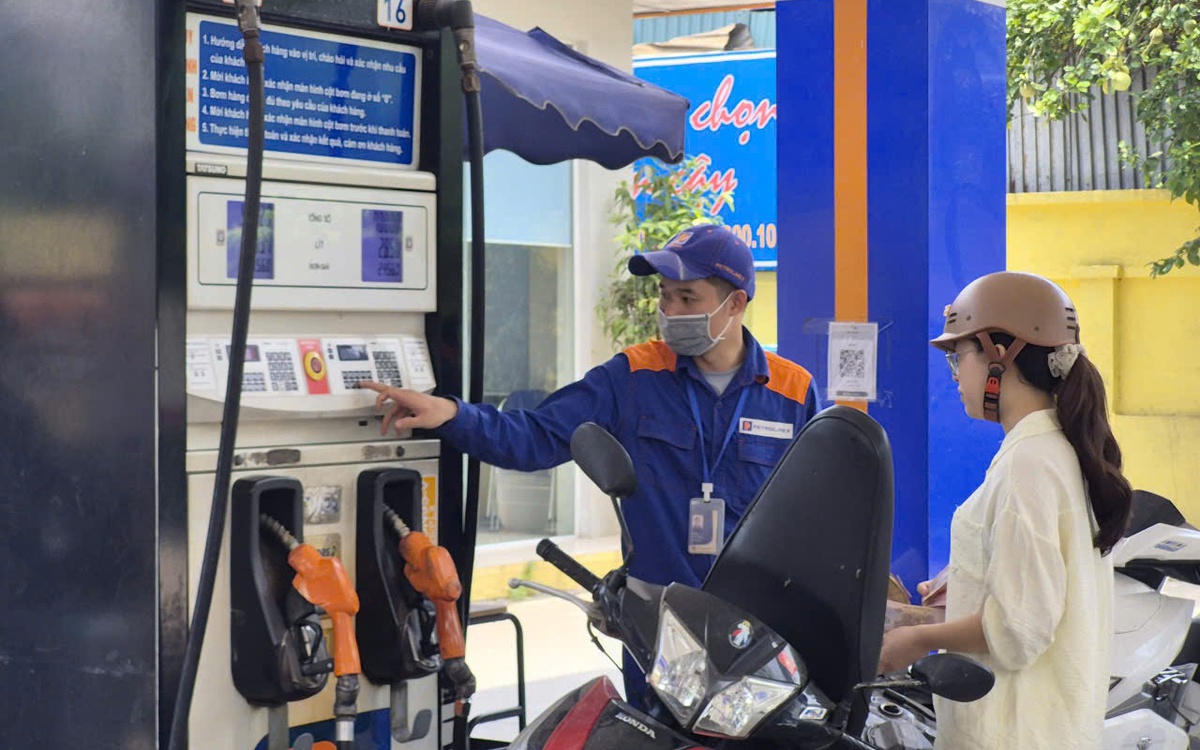
Vietnam issues guide on E10 biofuel, advising caution for older vehicles
Translated from Vietnamese and summarized by DistantNews. Read the original for the full story.
At a glance
News
Official statement
New plan
- Vietnam's Ministry of Industry and Trade has released a guide on using E10 biofuel.
- The guide details the roadmap for E10 implementation and its compatibility with various vehicles.
- It advises caution for older vehicles, those with old carburetors, or those with unmaintained fuel systems.
Vietnam's Ministry of Industry and Trade has issued a comprehensive guide for the use of E10 biofuel, providing crucial information for consumers as the country transitions to cleaner fuel options. The guide outlines the implementation roadmap for E10, its compatibility with different vehicle engines, and specific precautions for vehicle owners.
The ministry acknowledges that using E10 biofuel may lead to some initial phenomena such as reduced engine power, increased fuel consumption, and moisture absorption. However, it emphasizes that these effects are generally minor under normal operating conditions. The guide explains that E10 has a slightly lower heat value than traditional gasoline but burns more completely, leading to a reduction in hydrocarbon and carbon monoxide emissions by 20-30%.
Most major vehicle manufacturers, including Honda, Toyota, Ford, and Yamaha, have confirmed the compatibility of their vehicles with E10. However, the ministry advises particular caution for older vehicles manufactured before 2000, vehicles equipped with old-model carburetors, vehicles with unmaintained fuel systems, and restored or collectible cars. For these vehicles, regular checks and maintenance of the fuel system components, such as the fuel tank, fuel pump, fuel filter, fuel lines, and injectors, are recommended, with necessary replacements if required.
The guide also addresses the issue of moisture absorption in E10 fuel, which can occur if water enters the fuel tank due to an open cap or if the vehicle is submerged. Phase separation of the fuel can happen if the water content exceeds its solubility limit. To mitigate this, the ministry recommends avoiding prolonged periods of inactivity for vehicles, starting them periodically, preventing water ingress, and storing them in dry, well-ventilated areas. If a vehicle has been unused for an extended time, it is advised to replace the fuel and check for leaks before operation, and to change the fuel filter on schedule.
The ministry strongly discourages manual blending of biofuel and advises users to follow manufacturer instructions when switching between E5, E10, and RON95 gasoline. Consumers are urged to purchase fuel from reputable stations and to be wary of unofficial information circulating online. The guide also provides a hotline number (0866.59.4498) for consumer support regarding E10 usage.
The Ministry of Industry and Trade has just issued a handbook on using biological gasoline, including information on the roadmap for implementing biological gasoline, the compatibility of E10 with engines, and notes for vehicle types when using biological gasoline and recommendations for users.
About this summary
Originally published by Tuổi Trẻ in Vietnamese. Translated, summarized, and contextualized automatically by DistantNews, with a note on how the source frames the story. Not individually reviewed before publishing. How this works.
More Stories


From Our Blog

What Gets Lost (and Found) When News Is Translated

The Critical Role of Diaspora Media in Global News

What Travellers Should Know About Countries with Restricted Press

A Digital Nomad's Guide to Following Local News

How the Same Story Looks Different in Different Countries
