

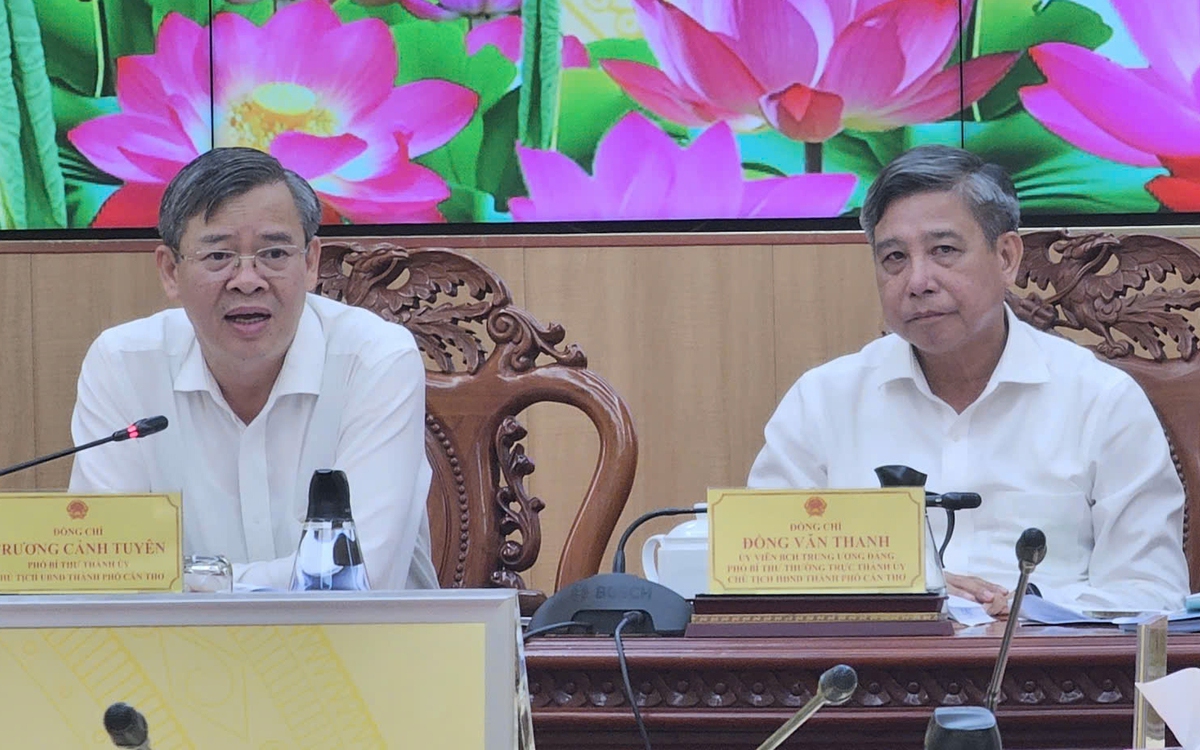

Becamex proposes reducing state stake to meet public company rules
Translated from Vietnamese, summarized and contextualized by DistantNews.
At a glance
News
Sources not specified
New plan
- Becamex, a major industrial development corporation, faces issues meeting public company requirements due to its shareholder structure.
- The company proposes reducing state ownership from 95% to over 65% by issuing new shares to meet public company criteria.
- Becamex reported a significant drop in first-quarter profits for 2026 compared to the previous year.
Industrial conglomerate Becamex is seeking approval from the Ho Chi Minh City People's Committee to reduce state ownership from 95.44% to over 65%. This move is intended to help the company meet the criteria for a public company, which it currently fails to satisfy.
According to current regulations, public companies with shares listed before January 1, 2021, must have at least 10% of their voting shares held by at least 100 non-major shareholders by January 1, 2026. Although Becamex has 9,221 shareholders, only 9,220 are non-major shareholders holding 4.56% of voting shares, falling short of the requirement.
Becamex plans to issue new shares to the public to adjust its shareholder structure. The company, converted from a state-owned enterprise in 2017, primarily operates in industrial and urban real estate and rubber processing. Despite a substantial equity of 10.35 trillion Vietnamese dong at the end of March 2026, Becamex reported a sharp 21% decline in consolidated net profit for the first quarter of 2026 compared to the same period last year. The company attributes this decrease to reduced revenue from key sources and increased financial costs, partially offset by savings in selling and administrative expenses.
DistantNews Editorial
Originally published by Tuổi Trẻ in Vietnamese. Translated, summarized, and contextualized by our editorial team with added local perspective. Read our editorial standards.
More Stories


From Our Blog

What Gets Lost (and Found) When News Is Translated

The Critical Role of Diaspora Media in Global News

What Travellers Should Know About Countries with Restricted Press

A Digital Nomad's Guide to Following Local News

How the Same Story Looks Different in Different Countries
