

Becoming Good Neighbors: From Awkward Encounters to Community Bonds
Translated from Korean, summarized and contextualized by DistantNews.
At a glance
In-depth
Sources not specified
Context piece
- An essayist initially found her landlord, a butcher, intimidating due to his stern appearance.
- During a summer water outage, the butcher and his wife helped the essayist by investigating the issue and bringing her cold water.
- This act of kindness transformed their relationship, leading to a neighborly bond and mutual respect.
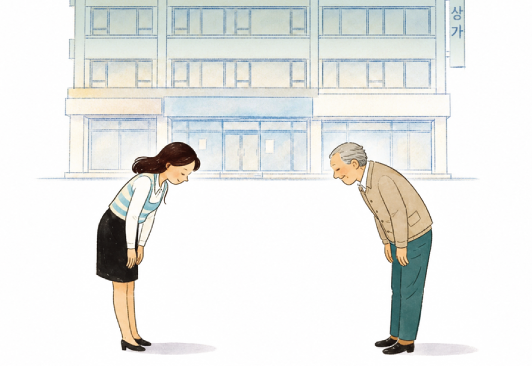
An essayist recounts her initial apprehension towards her landlord, the owner of a butcher shop on the first floor of her building. She describes him as a stern-faced, elderly man who moved with difficulty, making their encounters on the narrow stairs feel awkward and strained. Despite exchanging greetings, she admits to avoiding him. This dynamic shifted dramatically during a summer heatwave when a water outage struck her third-floor studio. Seeking help, she approached the butcher shop, where the landlord and his wife immediately offered assistance. The landlord investigated the plumbing, and though he has a physical disability, he went to find a solution. A dentist from the second floor later explained that a recent plumbing repair had mistakenly shut off water to the third floor. The butcher's wife then brought the essayist a pitcher of ice-cold water and offered the use of their bathroom, an act that dissolved the previous tension. This shared experience forged a connection, turning them into neighbors. The essayist now observes the butcher's wife engaging with the community and sees the landlord's face soften with smiles and jokes. In return, the essayist now greets them warmly, pays attention to conserving electricity, and sorts recycling diligently. She reflects that understanding builds community, and she now strives to be a good neighbor, starting each day with a greeting.
Are you angry? You look a little scary....
DistantNews Editorial
Originally published by Dong-A Ilbo in Korean. Translated, summarized, and contextualized by our editorial team with added local perspective. Read our editorial standards.
More Stories


From Our Blog

What Gets Lost (and Found) When News Is Translated

The Critical Role of Diaspora Media in Global News

What Travellers Should Know About Countries with Restricted Press

A Digital Nomad's Guide to Following Local News

How the Same Story Looks Different in Different Countries
