


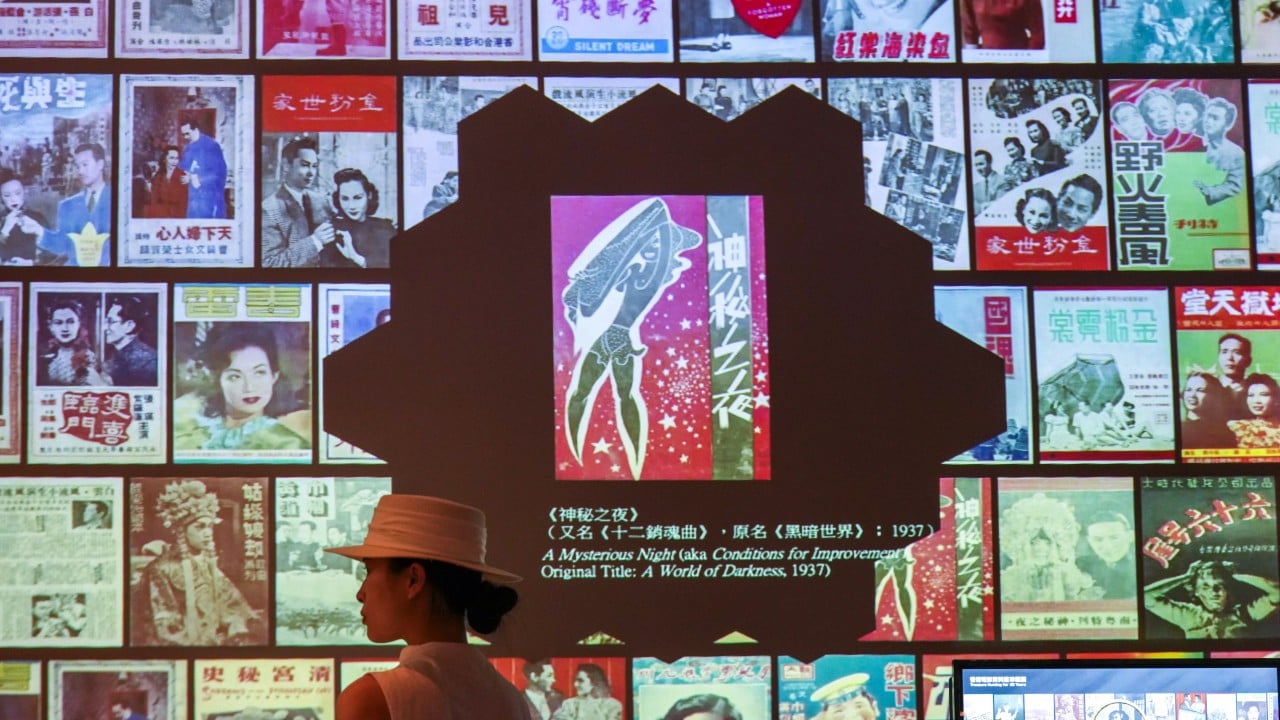
Before hailing Hong Kong cinema's return, ensure its survival amid AI wave
Translated from English, summarized and contextualized by DistantNews.
At a glance
Analysis
Sources not specified
Context piece
- Hong Kong's action film "The Furious" is receiving international acclaim, showcasing the potential of human-centric filmmaking.
- Meanwhile, mainland China is rapidly producing AI-generated micro-dramas, compressing production schedules and raising concerns for artists.
- The rise of AI content, from advertisements to official videos, questions the space for human creativity and the traditional pact between creators and audiences.
Hong Kong's latest action flick, "The Furious," is generating buzz with critical acclaim abroad and strong performance on Rotten Tomatoes, serving as a testament to what human-centric filmmaking can still achieve in today's market. However, this success story is unfolding against a backdrop of a rapidly evolving industry, particularly in mainland China, where artificial intelligence is revolutionizing content creation.
A new breed of "drama factory" is churning out micro-dramas with unprecedented speed, leveraging AI to compress production schedules that once took months for a full crew into mere weeks with a handful of people. While this presents a "gold rush" for media platforms, it spells a "nightmare" for human artists and creators. This shift is not limited to dramas; AI-generated content is becoming ubiquitous, appearing in advertisements and even official communications, such as a controversial anti-drug video released by the Correctional Services Department.
The proliferation of high-volume, low-cost content produced by algorithms raises fundamental questions about the future of human ingenuity in the creative fields. In the pre-AI era, the relationship between creators and audiences was built on shared risks and rewards, with credits serving as a public record of accountability. Generative AI disrupts this model, allowing individuals with little to no production knowledge to create storylines and visuals by feeding prompts into systems trained on existing works. The output, however, is often derivative, best described as pastiches rather than original creations.
Hong Kong has long prided itself on being a city that values creativity and intellectual property. Its cultural cachet, drawing tourists to iconic film locations, was built by real creators and their unique stories. Ceding this ground to algorithmic content mills would represent a significant erosion of the city's collective identity and a betrayal of the very essence of its artistic heritage.
DistantNews Editorial
Originally published by South China Morning Post in English. Translated, summarized, and contextualized by our editorial team with added local perspective. Read our editorial standards.
More Stories
From Our Blog

Countries Without a Free Press: What You Need to Know

What Press Freedom Means for the News You Read

What Gets Lost (and Found) When News Is Translated

The Critical Role of Diaspora Media in Global News

What Travellers Should Know About Countries with Restricted Press
