


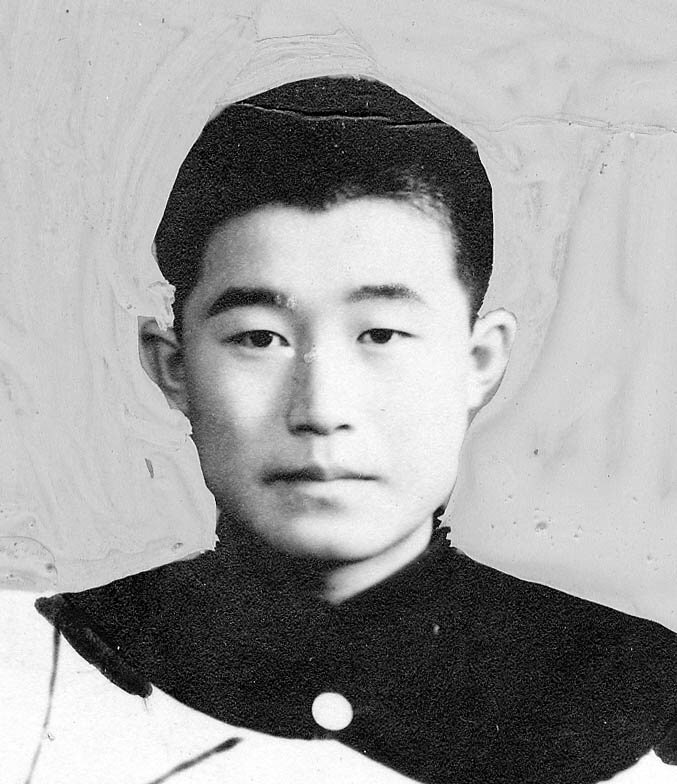
Before Pressing the Shutter, He First Bowed His Head… The Photo That Ignited the 4.19 Revolution
Translated from Korean, summarized and contextualized by DistantNews.
TLDR
- The article recounts the story behind a powerful photograph of Kim Ju-yeol, whose body was found with a tear gas canister in his eye after the April 1960 Masan Uprising.
- The photograph, taken by Dong-a Ilbo reporter Park Yong-yoon, became a catalyst for the April 19 Revolution, leading to the resignation of President Syngman Rhee.
- It highlights the ethical stance of foreign journalists who bowed their heads before photographing the scene, and celebrates Park Yong-yoon's legacy through an award established in his name.
Dong-a Ilbo, a newspaper deeply rooted in Korean history, revisits a pivotal moment that shaped modern South Korea: the April 19 Revolution. This article centers on the harrowing photograph of Kim Ju-yeol, a young student whose brutalized body, discovered with a tear gas canister lodged in his eye, became the irrefutable symbol of the Syngman Rhee regime's oppression. The image, captured by the courageous Dong-a Ilbo photojournalist Park Yong-yoon, ignited the flames of public outrage, transforming protests into a full-blown revolution that ultimately toppled the authoritarian government.
The narrative powerfully contrasts the actions of foreign correspondents, who, upon seeing the tragic scene, first bowed their heads in solemn respect before raising their cameras, with the act of taking a photograph. This moment underscores a profound ethical consideration: the recognition of human dignity even in the face of documenting immense suffering. Park Yong-yoon's subsequent decision to press his shutter, knowing the immense power of the image, speaks volumes about his commitment to bearing witness. This photograph, and the revolution it spurred, is a cornerstone of Korean democratic history, a testament to the power of the press and the will of the people.
Before pressing the shutter, he first bowed his head… The photo that became the fuse for the 4.19.
Sixty-six years later, the legacy of Park Yong-yoon is honored through the "Park Yong-yoon Reporting Photo Human Love Award," an accolade he himself endowed. The article beautifully portrays the 97-year-old veteran journalist attending the award ceremony, a poignant image of a man who, having spent his life capturing history, now sits as a living testament to it. His enduring philosophy – "photos must be taken with the heart, not just technique" – continues to inspire a new generation of journalists. This story is uniquely Korean in its focus on the intertwined relationship between historical trauma, the struggle for democracy, and the enduring role of journalism in holding power accountable. While international media might report on the revolution, Dong-a Ilbo brings the deeply personal and ethical dimensions of its photographic documentation to the forefront, reminding us that behind every historical image lies a human story and a profound moral choice.
Photos must be taken with the heart, not just technique.
DistantNews Editorial
Originally published by Dong-A Ilbo in Korean. Translated, summarized, and contextualized by our editorial team with added local perspective. Read our editorial standards.
More Stories


From Our Blog

What Gets Lost (and Found) When News Is Translated

The Critical Role of Diaspora Media in Global News

What Travellers Should Know About Countries with Restricted Press

A Digital Nomad's Guide to Following Local News

How the Same Story Looks Different in Different Countries
