


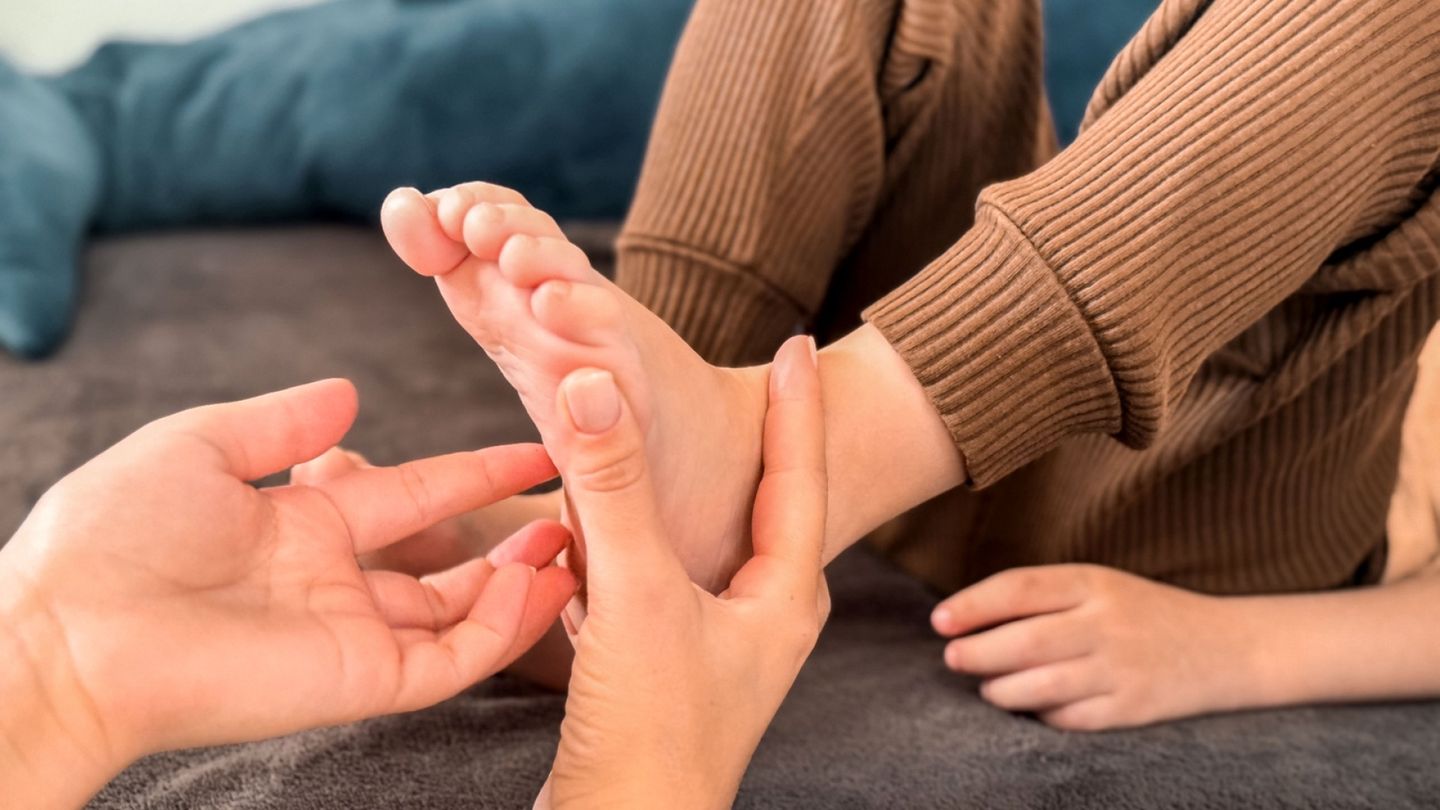
Behavioral science: Why do armpits tickle but not hands? New study offers an explanation
Translated from Finnish, summarized and contextualized by DistantNews.
At a glance
News
Named sources
Context piece
- A new study suggests that the sensation of itching is a distinct sensory experience, separate from pain, pleasure, or touch.
- Researchers found that people consistently identify the same body parts as most ticklish across different cultures, including armpits, sides, and soles of the feet.
- The study proposes that the surprise of unexpected touch on less frequently contacted body parts may explain their heightened ticklishness.
The sensation of being tickled is a unique sensory experience, distinct from pain, pleasure, or ordinary touch, according to recent research. Scientists have identified specific areas on the body that are universally more ticklish, regardless of cultural background. These highly sensitive spots include the armpits, sides, and the soles of the feet.
A study involving 448 young adults from China, the Netherlands, and Greece explored these ticklish zones. Participants marked areas on a digital human figure that were most easily tickled, as well as areas associated with other sensations like touch, pain, and pleasure. By comparing the locations of these different sensations, researchers were able to map out the distinct patterns of ticklishness.
The findings suggest that ticklishness is not simply an intense form of touch, nor is it a variation of pain or pleasure. Instead, the study proposes that the surprise factor plays a significant role. Body parts that are rarely touched may elicit a stronger tickle response because the unexpected contact is harder to anticipate, leading to a more pronounced reaction. This phenomenon might even be self-reinforcing, as people may avoid touching easily ticklish areas like armpits or feet precisely because they know it will cause tickling.
This aligns with Charles Darwin's 19th-century hypothesis that ticklishness is influenced by how accustomed a body part is to touch. For instance, hands, despite being highly sensitive and constantly touched, are not the most ticklish areas. Conversely, less frequently touched armpits are exceptionally sensitive. While the study explored the potential evolutionary roots of ticklishness, possibly related to play and social bonding, its precise function remains unknown. The research focused on intense, laughter-inducing tickling, not the mild sensation of a light brush on the skin.
DistantNews Editorial
Originally published by Helsingin Sanomat in Finnish. Translated, summarized, and contextualized by our editorial team with added local perspective. Read our editorial standards.
More Stories



From Our Blog

What Gets Lost (and Found) When News Is Translated

The Critical Role of Diaspora Media in Global News

What Travellers Should Know About Countries with Restricted Press

A Digital Nomad's Guide to Following Local News

How the Same Story Looks Different in Different Countries
