


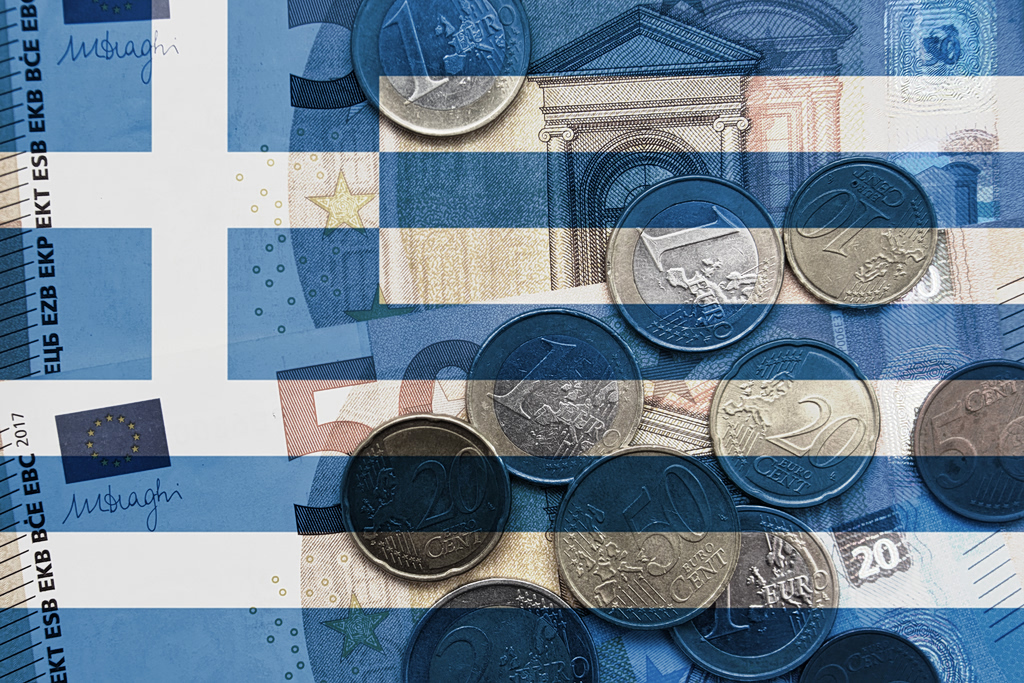
Behind Greece's Economic Success Story: Growth Continues, But the Gap Remains
Translated from Greek, summarized and contextualized by DistantNews.
At a glance
News
Named sources
Context piece
- Despite Greece's economic growth and improving budget, citizens struggle with high living costs and stagnant wages.
- Inflation remains among the highest in the Eurozone, with average annual wages significantly below the European average.
- The government's measures to combat high prices have not yet substantially eased the burden on most households.
Greece's economy is showing signs of recovery, with growth outpacing many European nations and a projected surplus budget. However, a significant gap persists between the country's economic performance and the daily reality faced by its citizens, particularly concerning the cost of living.
While the increased cost of living affects all European countries, Greece stands out for the gap between the economy's performance and citizens' daily lives.
While inflation affects all of Europe, Greece experiences some of the highest rates in the Eurozone. Coupled with an average annual wage of around 18,000 euros, less than half the European average, this creates a stark contrast. Greece ranks near the bottom of EU countries for GDP per capita and purchasing power, with a high percentage of its population at risk of poverty or social exclusion.
There are no easy or magical solutions for the high cost of living, which remains a challenge.
The government has prioritized tackling the high cost of living, implementing various measures. Yet, according to polls, these actions have not significantly alleviated the financial strain on the majority of households. A platform called "PosoKanei," launched by the prime minister, aims to combat high prices, but reports indicate that some products are more expensive in Greece than in wealthier European nations, while others are cheaper.
The prime minister is trying to manage the high cost of living through communication.
Adding to the financial pressure is the housing crisis. In 2024, Greeks spent an average of 35.5% of their disposable income on housing, with nearly one in three households exceeding 40%, three times the EU average. This situation is attributed to a lack of new construction and property investment since 2010, a trend that has only recently begun to reverse.
This situation is due to the fact that after 2010, there were minimal new constructions or property investments, a trend that only began to reverse in the last five years.
DistantNews Editorial
Originally published by Ta Nea in Greek. Translated, summarized, and contextualized by our editorial team with added local perspective. Read our editorial standards.
More Stories

From Our Blog

What Gets Lost (and Found) When News Is Translated

The Critical Role of Diaspora Media in Global News

What Travellers Should Know About Countries with Restricted Press

A Digital Nomad's Guide to Following Local News

How the Same Story Looks Different in Different Countries
