


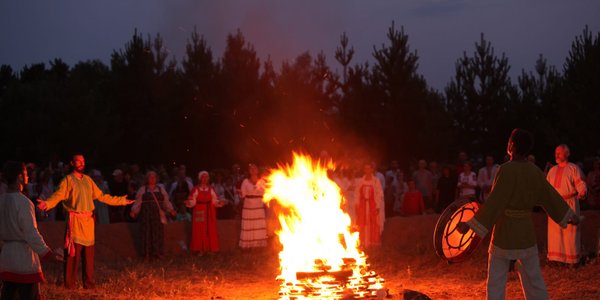
Being Slavic is not an invention. Poland's answer to the world of globalization and digitalization
Translated from Polish, summarized and contextualized by DistantNews.
At a glance
In-depth
Named sources
Context piece
- The idea of being Slavic is not an invention, but claims about a Slavic pantheon or ancient Polish empire require evidence.
- Szymon Zdziebłowski, author of "Gods of Poland," emphasizes the need for sources in academic research.
- He questions the basis for claims of a Slavic pantheon or a tens of thousands of years old Polish empire.
The notion of Slavic identity is not a modern construct, but assertions about a precisely defined Slavic pantheon or a vast, ancient Polish empire are met with skepticism by academics. Szymon Zdziebłowski, author of the book "Gods of Poland. Shamans, Megaliths, and Forgotten Slavic Deities," stresses the importance of evidence in historical and archaeological research.
"If someone claims to know exactly what the Slavic pantheon looked like, or that a great empire existed on Polish lands for tens of thousands of years, the first question should be: 'What evidence do you base this on?'" Zdziebłowski stated. He explained that in science, an appealing narrative is insufficient; sources are essential.
Zdziebłowski's book delves into the complexities of reconstructing early Slavic beliefs and history, challenging unsubstantiated claims. The description highlights the need for rigorous academic standards when discussing Poland's pre-Christian past and its cultural heritage.
DistantNews Editorial
Originally published by Rzeczpospolita in Polish. Translated, summarized, and contextualized by our editorial team with added local perspective. Read our editorial standards.
More Stories


From Our Blog

What Gets Lost (and Found) When News Is Translated

The Critical Role of Diaspora Media in Global News

What Travellers Should Know About Countries with Restricted Press

A Digital Nomad's Guide to Following Local News

How the Same Story Looks Different in Different Countries
