

Belfast braces for tensions during traditional marching season
Translated from Hungarian, summarized and contextualized by DistantNews.
At a glance
News
Sources not specified
Context piece
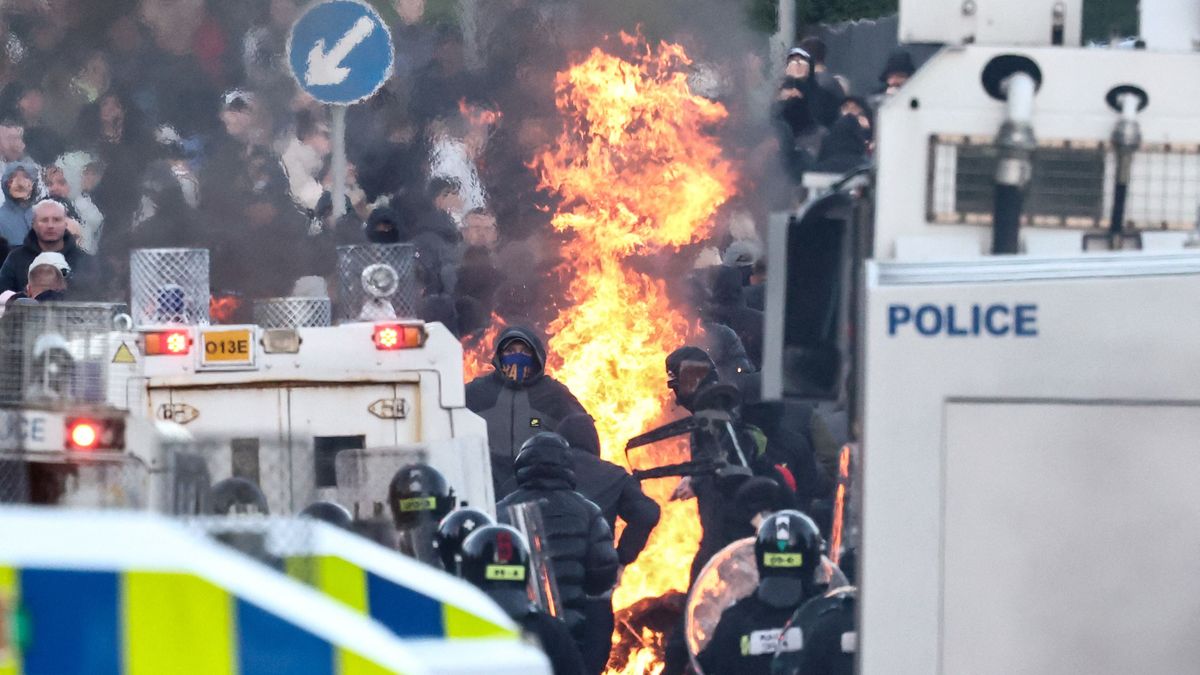
- Belfast police are preparing for the traditional marching season, which often heightens tensions.
- The Orange Order's July 12th parade commemorates the Protestant William of Orange's victory over Catholic James II.
- Tensions are fueled by historical grievances and current political divisions, particularly concerning the border with the Republic of Ireland.
Belfast police are bracing for the upcoming marching season, a period historically marked by heightened emotions and potential conflict. The most significant event, the Orange Order's parade on July 12th, commemorates the Battle of the Boyne in 1690. This historical commemoration sees Protestant loyalists marching past Catholic republicans, a tradition that consistently underscores Northern Ireland's deep-seated divisions.
The phrase "open borders" on a poster, as mentioned in the investigation, likely refers to the open border between Northern Ireland and the Republic of Ireland. This border is a legacy of the 1998 Good Friday Agreement, which aimed to foster peace and reconciliation. However, recent events, including the alleged journey of a Sudanese attacker through Dublin and across the border to Belfast, have intensified criticism of the Republic's immigration policies among some in Northern Ireland.
The ongoing political climate and historical narratives continue to fuel tensions. The police are preparing for potential confrontations, as the marching season often brings these underlying societal fault lines to the surface. The events highlight the fragile peace and the persistent challenges in navigating sectarian and political divides in Northern Ireland.
DistantNews Editorial
Originally published by Magyar Nemzet in Hungarian. Translated, summarized, and contextualized by our editorial team with added local perspective. Read our editorial standards.
More Stories

From Our Blog

Countries Without a Free Press: What You Need to Know

What Press Freedom Means for the News You Read

What Gets Lost (and Found) When News Is Translated

The Critical Role of Diaspora Media in Global News

What Travellers Should Know About Countries with Restricted Press
