


Benefit duration cut: Left and BSW criticize parental allowance plans | Die Zeit (DE)
Translated from German, summarized and contextualized by DistantNews.
At a glance
News
Named sources
Context piece
- German government plans to shorten parental leave benefits from 14 to 12 months starting November 2027.
- The proposal requires both parents to take at least three months off to receive the full duration, with a slight increase in minimum and maximum benefit amounts.
- Political parties and a petition with tens of thousands of signatures criticize the plan, arguing it increases pressure on young families and may be funded by social welfare cuts.
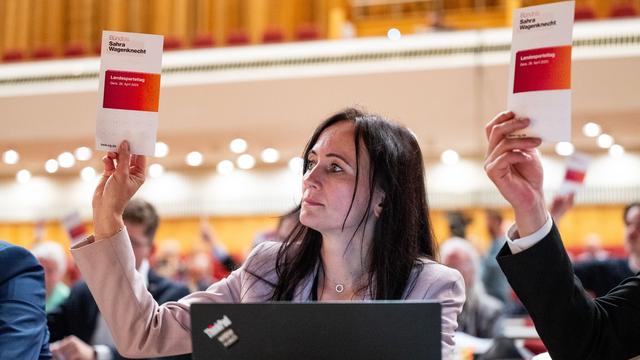
Plans by the German federal government to reduce the duration of parental leave benefits are facing strong criticism in Thuringia. The proposed cuts would significantly increase pressure on young families, according to Anke Wirsing, a member of the BSW parliamentary group. "This is unacceptable, especially in times of far too low and further declining birth rates," Wirsing stated, accusing the government of funding increased defense spending by cutting social programs.
The government's proposal, spearheaded by Federal Family Minister Karin Prien (CDU), aims to shorten the parental allowance period from the current 14 months to 12 months, effective November 2027. To access the full duration, both parents must each take at least three months of leave. Concurrently, the minimum benefit amount would rise from 300 to 330 euros, and the maximum from 1,800 to 1,900 euros.
This is unacceptable, especially in times of far too low and further declining birth rates.
Lena Saniye Güngör, spokesperson for labor policy for the Thuringian Left Party faction, called the plan "a declaration of bankruptcy." She argued that the proposal, disguised as a measure for greater equality in family time, is a deceptive package that effectively cuts parental leave from 14 to a maximum of 12 months. Güngör expressed concern about a potential childcare gap between the end of parental leave and the entitlement to care, noting statistics that show women predominantly take parental leave while men continue working due to higher salaries.
a declaration of bankruptcy.
Data from the Federal Statistical Office indicates a decrease in parental allowance recipients in Thuringia, from 9,001 in 2024 to 8,323 in 2025. Significant gender disparities persist: in 2025, men in Thuringia received an average of 3.5 months of parental allowance, compared to 14.7 months for women. These figures include "Elterngeld Plus," which allows for longer payouts by enabling recipients to work part-time.
The federal family minister's proposal has sparked nationwide controversy, with an online petition against the plan garnering tens of thousands of signatures. The petition argues that the reform, presented under the guise of greater equality, would leave most families with significantly less money. It urges Prien and the government to reconsider cuts to family support. Wirsing also criticized the stipulation that each parent must take at least three months of leave to utilize the full benefit period, asserting that each parental couple should have the autonomy to decide how best to divide the care months.
Under the pretext of more equality, an attempt is being made here to sell a reform that would leave most families with significantly less money than before in practice.
DistantNews Editorial
Originally published by Die Zeit in German. Translated, summarized, and contextualized by our editorial team with added local perspective. Read our editorial standards.
More Stories

From Our Blog

What Gets Lost (and Found) When News Is Translated

How the Same Story Looks Different in Different Countries

The Critical Role of Diaspora Media in Global News

What Travellers Should Know About Countries with Restricted Press

A Digital Nomad's Guide to Following Local News
