


Berlin Cyberattack Prompts Warning of New Phishing and Identity-Theft Threats
Translated from German and summarized by DistantNews. Read the original for the full story.
At a glance
News
Named sources
Ongoing story
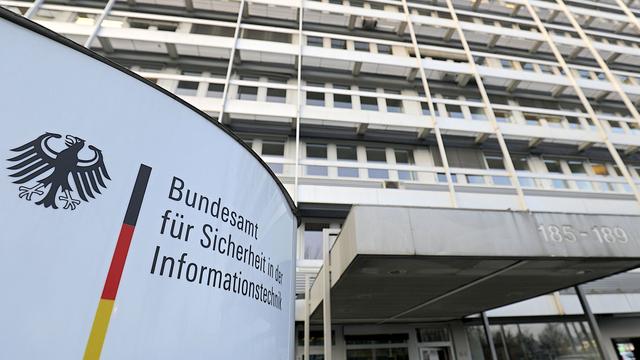
- Germany’s Federal Office for Information Security said the publication of data stolen from Berlin’s administration has increased risks for affected people and institutions.
- The Rhysida group published a 5.8-terabyte data package after Berlin refused to pay a ransom of about 2 million euros in Bitcoin.
- The agency warned that stolen information could fuel targeted phishing and “hack and leak” operations, especially before Berlin’s September 20 election.
The publication of stolen data from Berlin’s administration has created a new threat beyond the original cyberattack: officials and experts now expect more phishing attempts and identity theft.
Germany’s Federal Office for Information Security, known as the BSI, said the leaked information could create different risks for affected people and, ultimately, for society. People who had contact with the affected individuals or institutions should be especially alert to targeted phishing attacks, the agency said.
The BSI explicitly points out that the publication of stolen data can create various risks for those affected and ultimately for society.
The BSI also warned about “hack and leak” operations in the political sphere, particularly before elections. In such campaigns, stolen documents, emails or similar material can be released at a moment chosen by an attacker and potentially presented in a misleading context. Berlin is due to elect a new House of Representatives on September 20.
Exclusively financially motivated
The agency does not believe the attack was politically motivated. Instead, it considers the hackers’ actions “exclusively financially motivated.” Still, data involving critical infrastructure, companies and organizations could raise the threat level depending on how sensitive the material is.
Berlin’s administration confirmed the cyberattack, which became known on August 14. Rhysida demanded 30 Bitcoin, worth about 2 million euros, but the Senate said it would not pay. After the deadline passed on Friday afternoon, the group released a 5.8-terabyte package on the dark web. More than 1.4 million data items may now be publicly accessible. Joachim Selzer, a Chaos Computer Club spokesperson, said the group appeared to have made the complete dataset available for inspection and described the volume of internal information as a serious problem for the administration.
From what I can see here, they have made the complete dataset live and available for everyone to inspect.
About this summary
Originally published by Der Spiegel in German. Translated, summarized, and contextualized automatically by DistantNews, with a note on how the source frames the story. Not individually reviewed before publishing. How this works.
More Stories


From Our Blog

News in Translation: What Gets Lost, and How We Keep the Framing

The Same Story, Different Countries: How Coverage Changes at the Border

Diaspora Media: How Communities Follow News From Home

Traveling Where the Press Is Not Free: How to Read the News There

The Digital Nomad's Guide to Local News
