

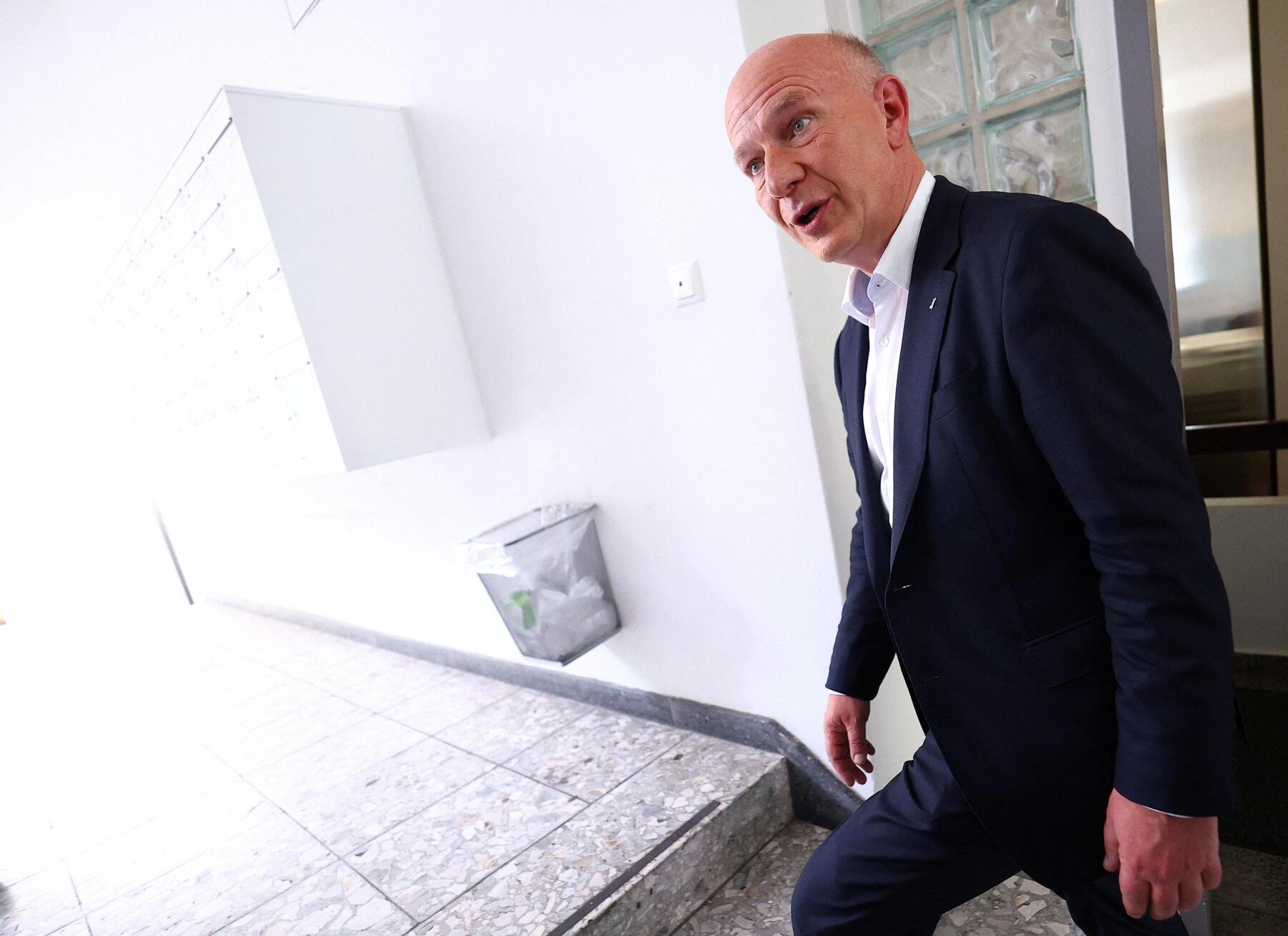
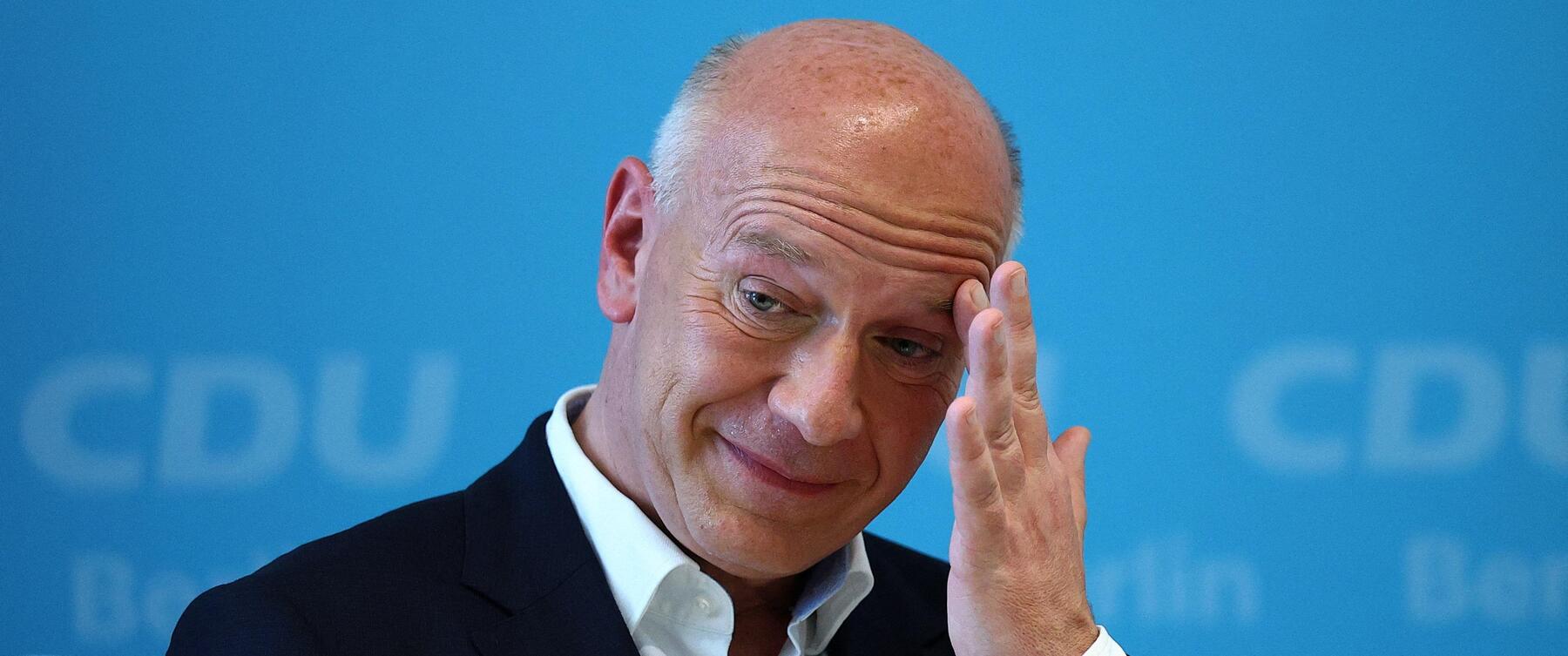
Berlin Mayor Kai Wegner Withdraws Candidacy After Crisis Management Fallout
Translated from German, summarized and contextualized by DistantNews.
At a glance
News
Sources not specified
Outcome reported
- Kai Wegner has withdrawn his candidacy for Berlin's mayor just ten weeks before the election, citing his inability to reach voters.
- His decision follows revelations about his crisis management during a major power outage in January and a significant drop in CDU's poll numbers.
- Wegner will remain in office until a new government is formed, while Stefan Evers is considered a potential successor.
Kai Wegner has stepped down as the leading candidate for Berlin mayor, withdrawing his candidacy ten weeks before the election. He stated his inability to connect with Berliners as the reason for his departure, acknowledging he had become a liability for the CDU party.
Wegner's decision comes after a series of challenges, including revelations about his handling of a significant power outage in January that left tens of thousands of residents without electricity and heat for days during freezing temperatures. The incident, caused by a firebomb attack, led to Wegner being criticized for a late response, as he was reportedly playing tennis at the time instead of coordinating immediate relief efforts. This crisis management issue has overshadowed his campaign, contributing to a sharp decline in CDU's poll numbers, which have dropped by eleven percent since the last election.
The political landscape in Berlin is increasingly fragmented, with polls showing a tight race between the Left Party, Greens, AfD, and CDU. Wegner's coalition partner, the SPD, has declared it will not support him for the next legislative term. Wegner admitted to being caught in a "web of lies" regarding the incident. Despite his withdrawal as a candidate, he announced he would remain in his current role as Governing Mayor until a new government is established.
Stefan Evers, the 46-year-old finance senator, is being considered as a potential successor within the CDU. This political upheaval in Berlin occurs alongside two other state elections in September: Saxony-Anhalt on September 6, and Mecklenburg-Vorpommern two weeks later, where the right-wing populist AfD is currently leading in the polls.
DistantNews Editorial
Originally published by Die Presse in German. Translated, summarized, and contextualized by our editorial team with added local perspective. Read our editorial standards.
More Stories

From Our Blog

What Gets Lost (and Found) When News Is Translated

The Critical Role of Diaspora Media in Global News

What Travellers Should Know About Countries with Restricted Press

A Digital Nomad's Guide to Following Local News

How the Same Story Looks Different in Different Countries
