


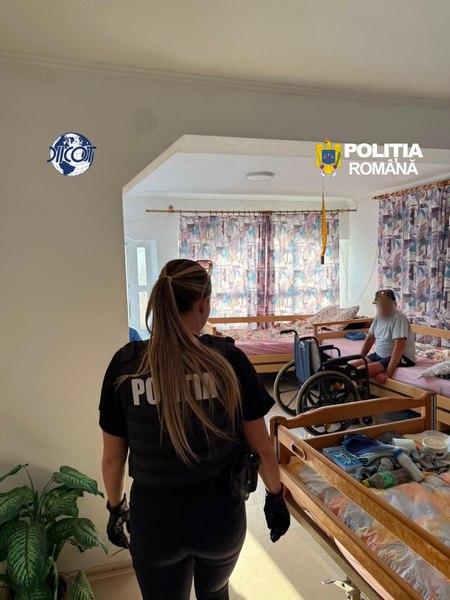
Between good heart, rules, and state duty
Translated from Romanian, summarized and contextualized by DistantNews.
At a glance
Analysis
Sources not specified
Context piece
- A recent case in Bihor highlights the complex relationship between good Samaritans, state regulations, and the welfare of vulnerable individuals.
- The author argues that while charity and compassion are vital, a modern state must ensure legal frameworks and transparent systems to protect those in need.
- The piece calls for a balanced approach where the state supports and legalizes charitable initiatives while maintaining rigorous oversight to prevent tragedies.
The recent case in Bihor compels a difficult but necessary conversation about the role of the 'good Samaritan' in a modern state. For the author, a good Samaritan is someone who sees suffering and acts to alleviate it, offering help to the abandoned elderly or lost sick.
For me, the good Samaritan is the person who sees suffering and does something to alleviate it. The person who takes in an abandoned elderly person, or a lost sick person (and this still happens!). It is the person who steps forward where others, many of us, turn away.
While such compassion, faith, and solidarity are essential for a healthy society, the article stresses the equal importance of rules. The author points out that authorities knew about the conditions at a facility in Dumbrava for years, including community members, donors, and state officials. If the state sent vulnerable people there, it must first examine its own role.
The piece questions how a state can delegate the care of its most fragile citizens to foundations or goodwill networks instead of building a legal, transparent, and dignified system. Charity deserves respect, but legality demands rigor that some institutions and employees seem incapable of providing. The focus should not be on judging the good deeds themselves, but on how they are organized when vulnerable lives depend on it.
A healthy society needs such people, of heart, of mercy, of faith, of solidarity and of outstretched hands towards those whom life has brought to the margins.
The author advocates for supporting individuals who wish to care for the elderly or abandoned by guiding them through the legal process of establishing a center. This includes meeting standards, having qualified staff, ensuring sanitary conditions, and maintaining proper records. Donations must be registered, and funds must demonstrably improve the lives of those being cared for.
But a healthy society also needs rules.
Ultimately, the article calls for a bridge between compassion and procedure. The state's judgment must be based on procedure, while citizens' judgment can consider the heart. Without this bridge, tragedies occur. The author concludes that social centers, foundations, and charitable initiatives that shoulder state burdens deserve a different fiscal regime. Where people are cared for, the state must apply a social, humane fiscal logic.
And then, if state authorities sent vulnerable people there, the state must first look in the mirror.
DistantNews Editorial
Originally published by Adevărul in Romanian. Translated, summarized, and contextualized by our editorial team with added local perspective. Read our editorial standards.
More Stories


From Our Blog

What Gets Lost (and Found) When News Is Translated

The Critical Role of Diaspora Media in Global News

What Travellers Should Know About Countries with Restricted Press

A Digital Nomad's Guide to Following Local News

How the Same Story Looks Different in Different Countries
