


Beyond Oil: Why New Resources Will Decide Global Power
Summarized and contextualized by DistantNews.
At a glance
Analysis
Sources not specified
Context piece
- The global geopolitical landscape is shifting, with new resources poised to determine international power dynamics, moving beyond the 20th-century focus on oil.
- Historically, control over oil reserves and supply chains dictated economic resilience, with OPEC states and European nations like Norway being key players.
- Current global trends suggest a new era where access to different resources will be paramount for economic and strategic advantage.
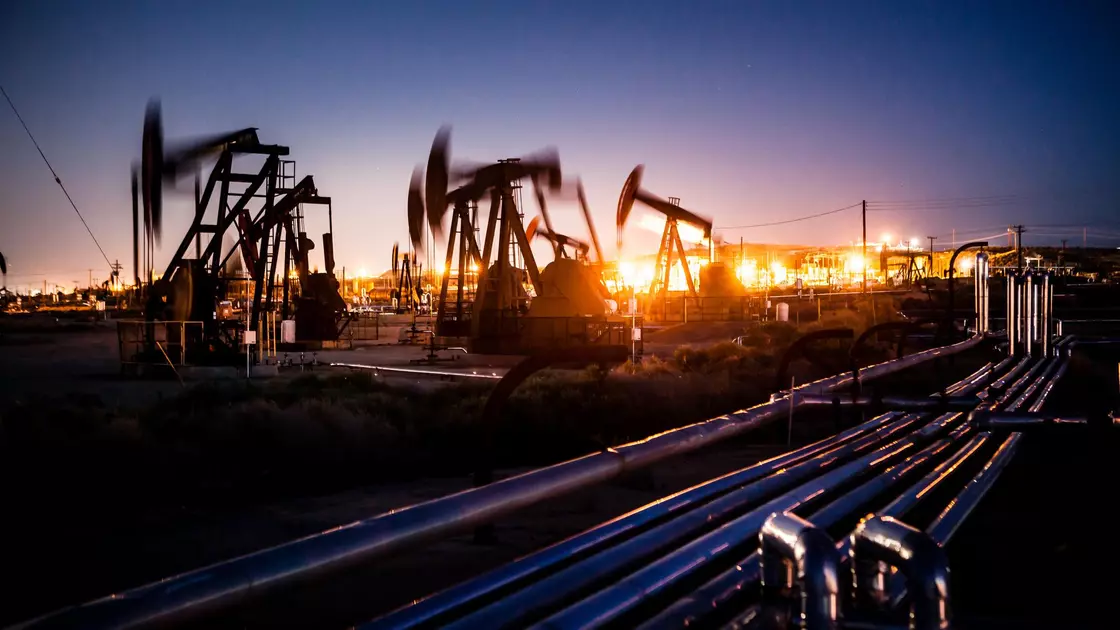
The global power balance is undergoing a significant transformation, with the focus shifting from oil to new, critical resources that will shape international influence. While the 20th century was defined by the struggle for oil reserves and the control of energy supplies by nations like those in OPEC and European states such as Norway, the current geopolitical environment signals a new era.
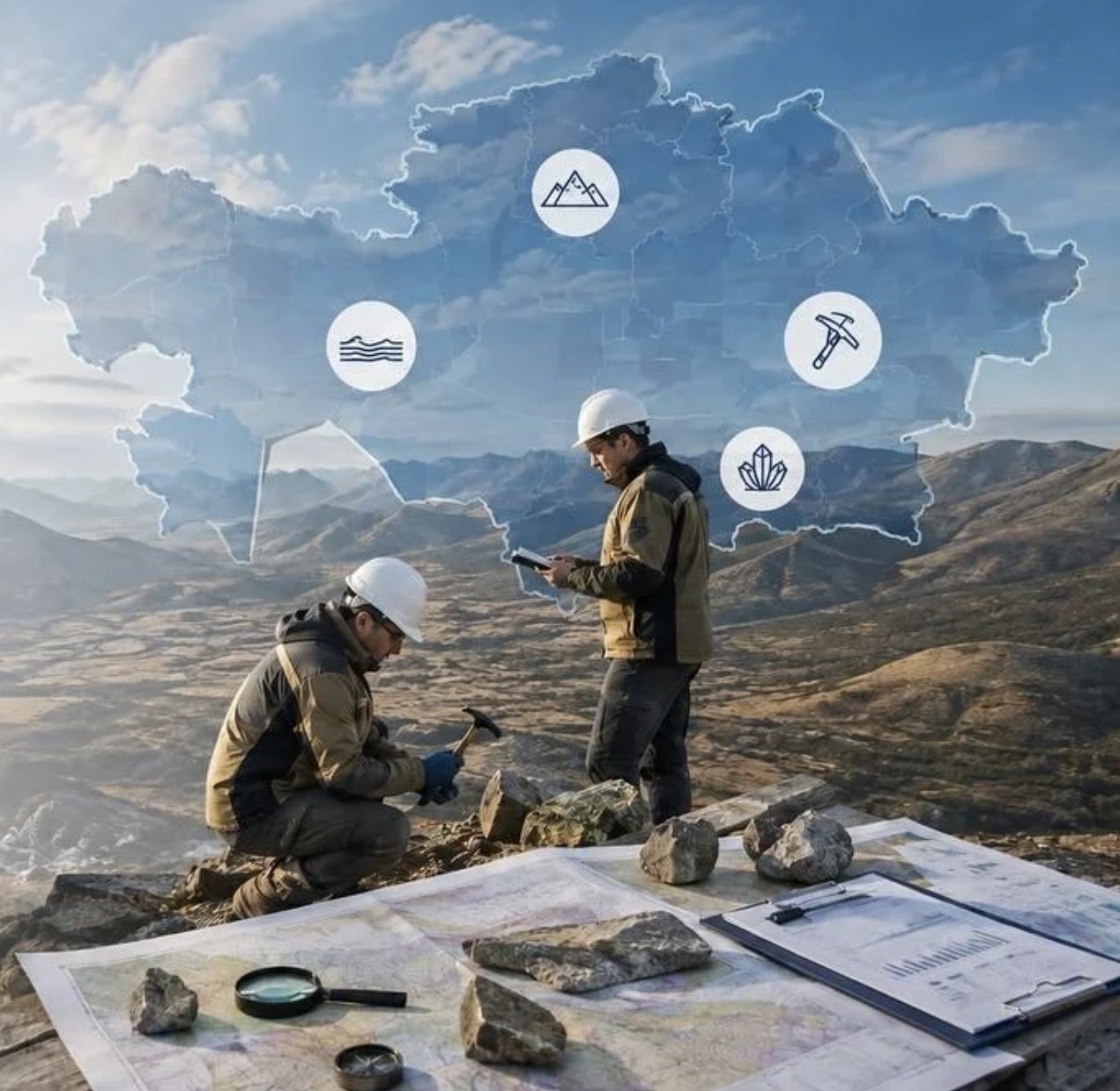
Supply-side shocks impacting the international economy have underscored the vulnerability of nations reliant on traditional energy sources. This has prompted a re-evaluation of what constitutes strategic resources. The emphasis is moving towards materials essential for emerging technologies, sustainable energy, and advanced manufacturing.
Nations that can secure and control these new resources, whether they be rare earth minerals, advanced battery components, or other vital materials, are likely to gain significant economic and geopolitical leverage. This strategic shift necessitates a new approach to resource management, international cooperation, and technological innovation to ensure future economic resilience and global standing.
DistantNews Editorial
Originally published by The Astana Times. Summarized and contextualized by our editorial team with added local perspective. Read our editorial standards.
More Stories


From Our Blog

What Gets Lost (and Found) When News Is Translated

The Critical Role of Diaspora Media in Global News

What Travellers Should Know About Countries with Restricted Press

A Digital Nomad's Guide to Following Local News

How the Same Story Looks Different in Different Countries
