


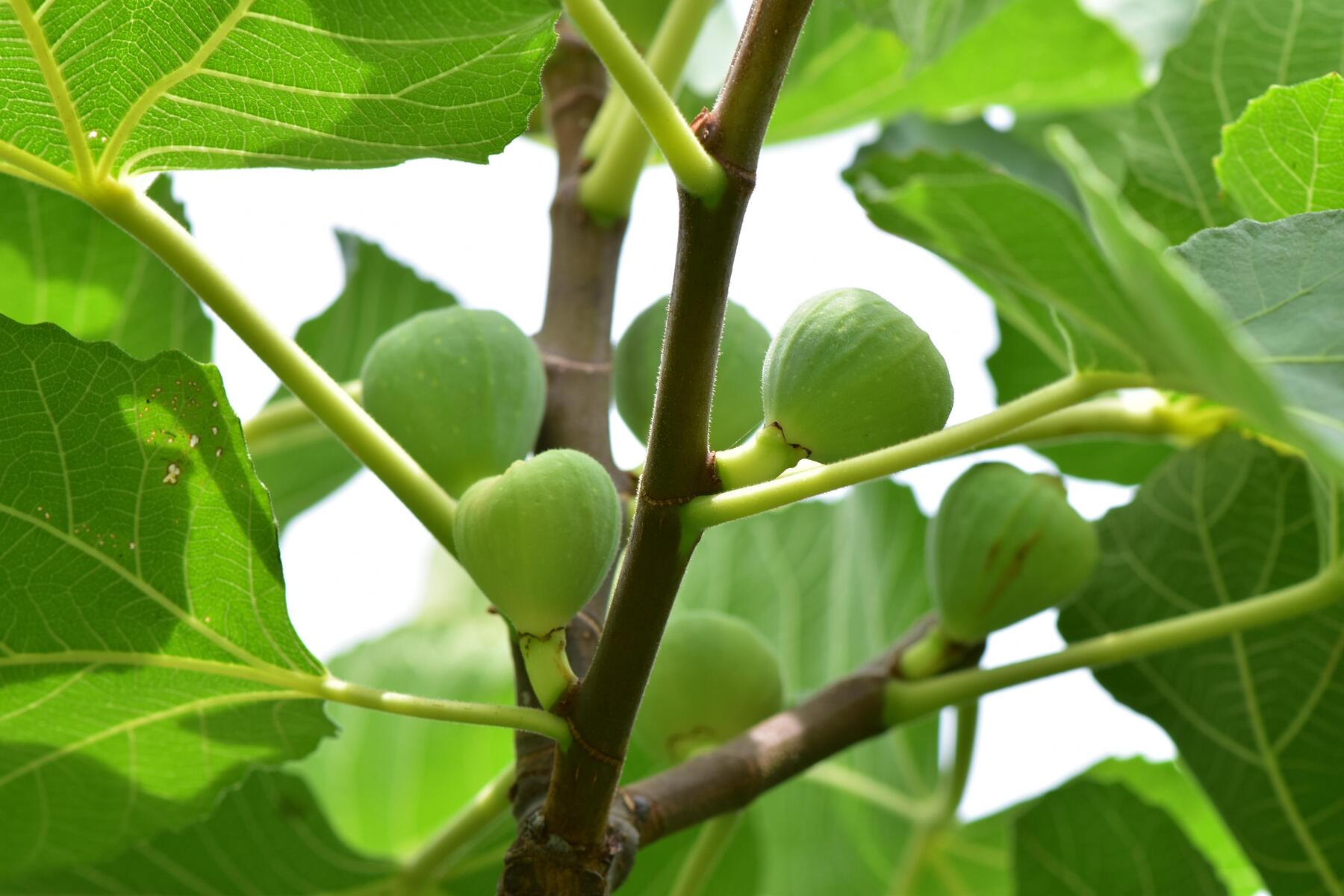
Beyond the Fruit: What Makes Fig Leaves Special in the Kitchen
Translated from German, summarized and contextualized by DistantNews.
At a glance
In-depth
Sources not specified
Context piece
- Fig trees thrive in heat and have a significant cultural and culinary history, potentially making them humanity's oldest cultivated plant.
- Ficus carica, the common fig, has two varieties: the 'caprificus' (male) and 'domestica' (female or common fig).
- Successful fruit production often requires pollination by a specific wasp species, though self-pollinating varieties exist.
The fig tree, a plant that flourishes in heat, offers fruits with a unique form, color, sweetness, and aroma, earning it widespread reverence as a legendary fruit. Its role in cultural history, cuisine, and botany is distinct. Archaeological findings of dried figs in Jericho suggest fig trees were domesticated and cultivated into various types as early as 11,400 years ago, predating grain cultivation and possibly making the fig the oldest cultivated plant known to humankind.
However, not all fig plants are created equal. Many enthusiasts who have planted wild fig saplings hoping for abundant harvests have only yielded leaves. This is often because they have planted a 'goat fig' (Ficus carica var. caprificus) rather than a fruit-bearing fig. The 'goat fig' variety produces both male and female flowers but yields only small, woody, inedible figs. Its primary value lies in its role in pollinating the more desirable variety.
The common fig, Ficus carica var. domestica, is of greater interest for its edible fruit. This variety primarily produces female flowers and requires pollination to yield its substantial harvest, which can reach up to 100 kilograms per tree in late summer. The crucial pollination is typically carried out by a specific species of wasp that lays its eggs in the 'goat fig's' flowers. While this wasp occasionally enters the flowers of the common fig, inadvertently transferring pollen, it ultimately finds the common fig unsuitable for breeding and departs.
This process results in wasp-free, delicious fruits with sugar content potentially reaching 16 percent. For those seeking a bountiful harvest without relying on wasp activity, the solution is to select self-pollinating and winter-hardy varieties of the common fig. These varieties produce fruit independently, and a wide selection is available.
DistantNews Editorial
Originally published by Die Presse in German. Translated, summarized, and contextualized by our editorial team with added local perspective. Read our editorial standards.
More Stories



From Our Blog

What Gets Lost (and Found) When News Is Translated

The Critical Role of Diaspora Media in Global News

What Travellers Should Know About Countries with Restricted Press

A Digital Nomad's Guide to Following Local News

How the Same Story Looks Different in Different Countries
