


Bible Museum's Dead Sea Scroll Fragments Spark Scandal Amid Forgery Claims
Translated from Finnish, summarized and contextualized by DistantNews.
At a glance
In-depth
Named sources
Context piece
- The Museum of the Bible in Washington D.C. is exhibiting fragments of the Dead Sea Scrolls, on loan from Israel's IAA.
- The museum faced a scandal when several of its purchased scroll fragments were found to be forgeries, some allegedly manipulated to oppose same-sex marriage.
- The museum's owner, David Green, has since acknowledged the errors and allowed for an exhibition detailing the mistakes.
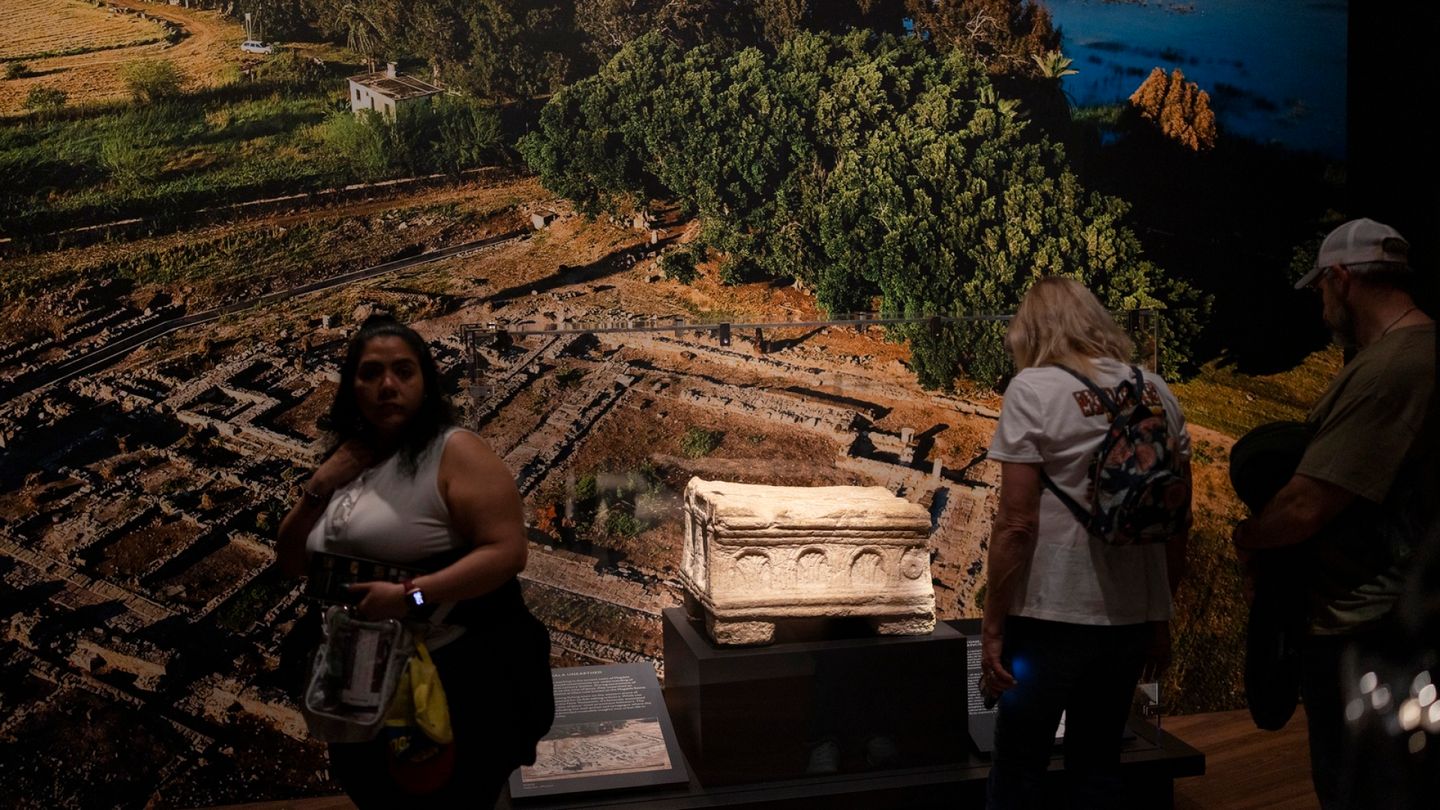
Washington D.C. is home to the controversial Museum of the Bible, which is currently showcasing fragments of the Dead Sea Scrolls, loaned from Israel's Israel Antiquities Authority (IAA). These fragments, discovered in the Qumran caves of the West Bank starting in 1947, contain some of the oldest known versions of biblical texts.
The museum, founded by David Green, the billionaire owner of the Hobby Lobby craft store chain, has been embroiled in a significant scandal. In the early 2000s, Green's family acquired tens of thousands of artifacts, including 16 Dead Sea Scroll fragments, for the museum which opened in 2017. However, a research team commissioned by the museum itself concluded within two years that many of these fragments were forgeries.
I was really impressed by how openly they handled the publication of our research results even though they were clearly disappointed when the collection turned out to be forgeries.
One particularly controversial fragment reportedly combined two passages from the Old Testament that criticize homosexuality, despite them not appearing together in the original texts. This led to widespread accusations that the museum was built on fraudulent acquisitions. It was suggested that Green's family, who oppose same-sex marriage, may have been deliberately misled with a forged fragment containing anti-homosexuality passages.
In response to the findings, the Green family expressed regret and committed to transparency. Colette Loll was given a free hand to curate the 2020 exhibition "From Discovery to Deception," which openly addressed the erroneous purchases. Loll stated she was impressed by the family's openness in publicizing the research results, despite their evident disappointment. While Professor Ira Rabin has critiqued Loll's methods, he acknowledged to HS that the origin of the fragments is indeed unclear, and declaring them forgeries was a public relations win for the Green family's narrative of repentance.
There is a lot of ambiguity in the origin of the fragments, and declaring them forgeries was an image victory for the Green family who emphasized repentance.
DistantNews Editorial
Originally published by Helsingin Sanomat in Finnish. Translated, summarized, and contextualized by our editorial team with added local perspective. Read our editorial standards.
More Stories

From Our Blog

What Gets Lost (and Found) When News Is Translated

The Critical Role of Diaspora Media in Global News

What Travellers Should Know About Countries with Restricted Press

A Digital Nomad's Guide to Following Local News

How the Same Story Looks Different in Different Countries
