


Bilge, LLMs and countering the epistemic dependency
Summarized and contextualized by DistantNews.
At a glance
Analysis
Sources not specified
Context piece
- Large language models (LLMs) are increasingly integrated into daily life, with states now developing their own models for digital autonomy.
- Epistemic dependency arises when a society's knowledge environment is mediated by models trained elsewhere on uncurated data and foreign values.
- This dependency is insidious because it shapes foreign policy, national security, and strategic decision-making through invisible training data and design choices.
- Indigenous LLMs are crucial not just for linguistic achievement but for national sovereignty, as they are trained on a nation's own corpus and values.
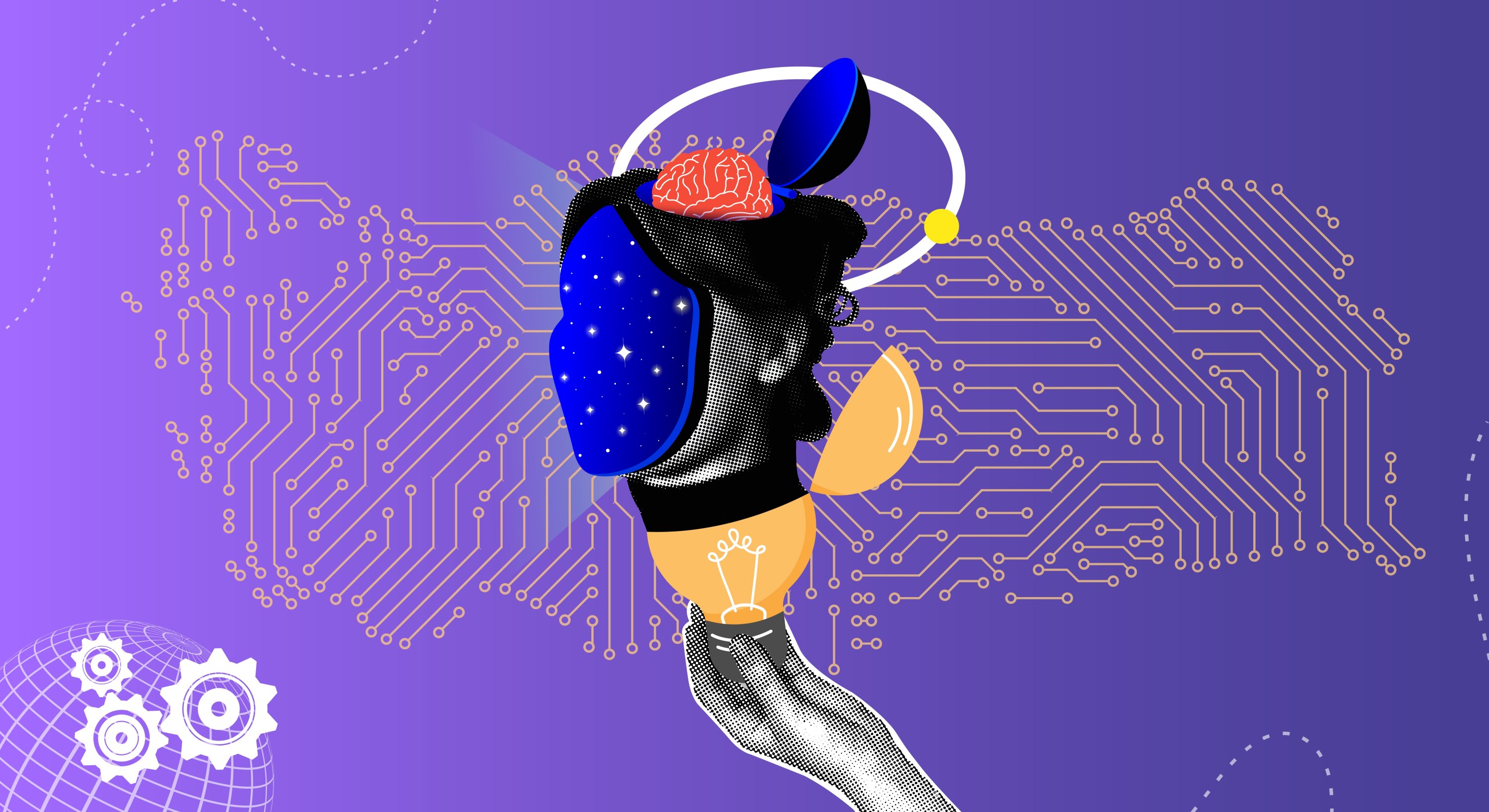
Large language models (LLMs) have rapidly moved from niche tools to integral parts of daily life, a trend that has accelerated since 2022. While major technology companies continue to release new models, a more significant development is the emergence of states building their own LLMs. This move is driven not by technological prestige but by the pursuit of digital autonomy, which hinges on addressing a deeper issue conceptualized as "epistemic dependency."
Epistemic dependency occurs when a society's understanding of the world is shaped by foundation models trained on data it did not curate and under values it did not choose. Unlike visible dependencies like energy or measurable ones like technology patents, epistemic dependency is largely invisible and therefore more insidious. The categories used to interpret the world, the sources deemed authoritative, the questions avoided, and the framings normalized are all determined at the point of model design.
When a state analyzes its own data using someone else's algorithm, it effectively transfers the sovereignty of that data. This silent architecture can subtly influence foreign policy preferences, national security assessments, and strategic decision-making over time. The most profound harms of the generative era do not stem from the output but from the training process. If a foundation model ingests falsehoods, distortions, or fabricated historical claims, it industrializes these errors, embedding them into every downstream application that relies on the model.
An indigenous LLM is therefore more than a linguistic accomplishment; it represents a crucial step toward national sovereignty. By training a model on a nation's own corpus, it reflects and reinforces the country's unique knowledge environment, values, and perspectives. This ensures that the epistemic conditions under which publics reason are shaped internally, rather than being dictated by external forces, safeguarding against the industrialization of misinformation and preserving the integrity of national discourse.
DistantNews Editorial
Originally published by Daily Sabah. Summarized and contextualized by our editorial team with added local perspective. Read our editorial standards.
More Stories



From Our Blog

What Gets Lost (and Found) When News Is Translated

The Critical Role of Diaspora Media in Global News

What Travellers Should Know About Countries with Restricted Press

A Digital Nomad's Guide to Following Local News

How the Same Story Looks Different in Different Countries
