

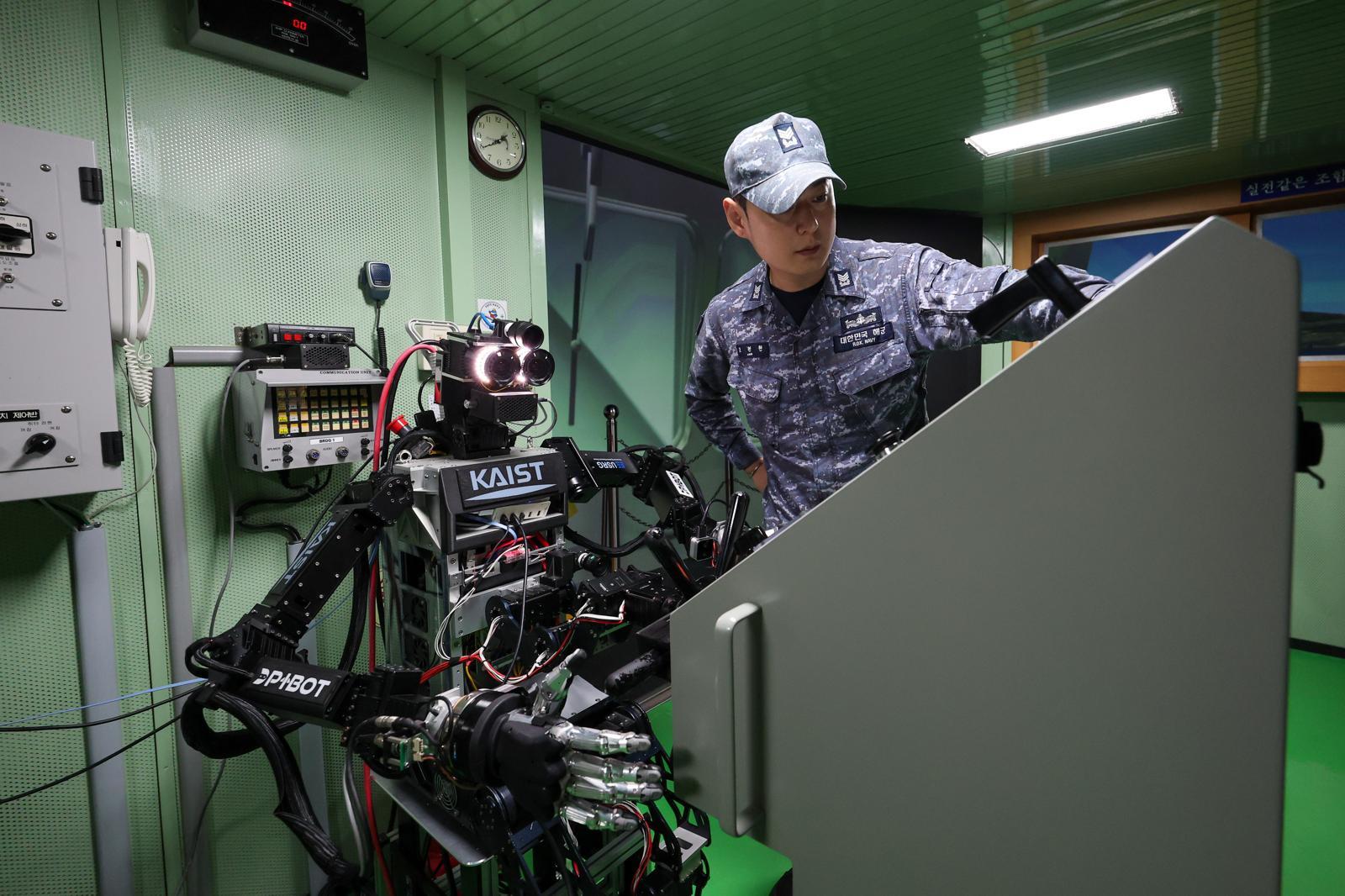

Bill Gates Urges Tax on AI and Robots to Protect Jobs
Translated from Korean and summarized by DistantNews. Read the original for the full story.
At a glance
Analysis
Named sources
Context piece
- Microsoft co-founder Bill Gates warns that AI's rapid expansion threatens widespread job losses and increased inequality.
- He proposes taxing robots and AI to slow down workforce displacement and fund retraining programs and social safety nets.
- Gates also calls for international regulatory bodies to manage AI risks and for major AI-developing nations to collaborate on common rules.
Bill Gates, the co-founder of Microsoft, has issued a stark warning about the potential societal disruption posed by the accelerating advancement of artificial intelligence. In a recent 12-page essay published on his blog, Gates highlighted concerns that AI could trigger mass unemployment and exacerbate existing inequalities.
He predicts that AI is rapidly replacing white-collar office jobs and will soon impact manual labor roles as well. To mitigate these effects, Gates suggests designating certain tasks as "Human Reserved" zones, ensuring that jobs requiring human empathy remain with people, even if AI could technically perform them.
AI is already rapidly replacing white-collar office jobs, and field jobs will soon be affected.
Furthermore, Gates advocates for significant tax reforms, proposing that robots and AI technologies be subject to taxation. He argues that the current tax system, which burdens employers for hiring human workers but not for utilizing robots, incentivizes job displacement. "Taxing robots and AI tokens could slow down the replacement of human workers," Gates explained, "while also generating funds for retraining programs and strengthening social safety nets."
Beyond fiscal measures, Gates emphasizes the need for global cooperation in managing the risks associated with AI. He calls for the establishment of international regulatory bodies and urges leading AI nations, including the United States and China, to work together in developing shared rules and guidelines for AI development and deployment.
Taxing robots and AI tokens could slow down the replacement of human workers, while also generating funds for retraining programs and strengthening social safety nets.
About this summary
Originally published by Dong-A Ilbo in Korean. Translated, summarized, and contextualized automatically by DistantNews, with a note on how the source frames the story. Not individually reviewed before publishing. How this works.
More Stories



From Our Blog

What Gets Lost (and Found) When News Is Translated

The Critical Role of Diaspora Media in Global News

What Travellers Should Know About Countries with Restricted Press

A Digital Nomad's Guide to Following Local News

How the Same Story Looks Different in Different Countries
