


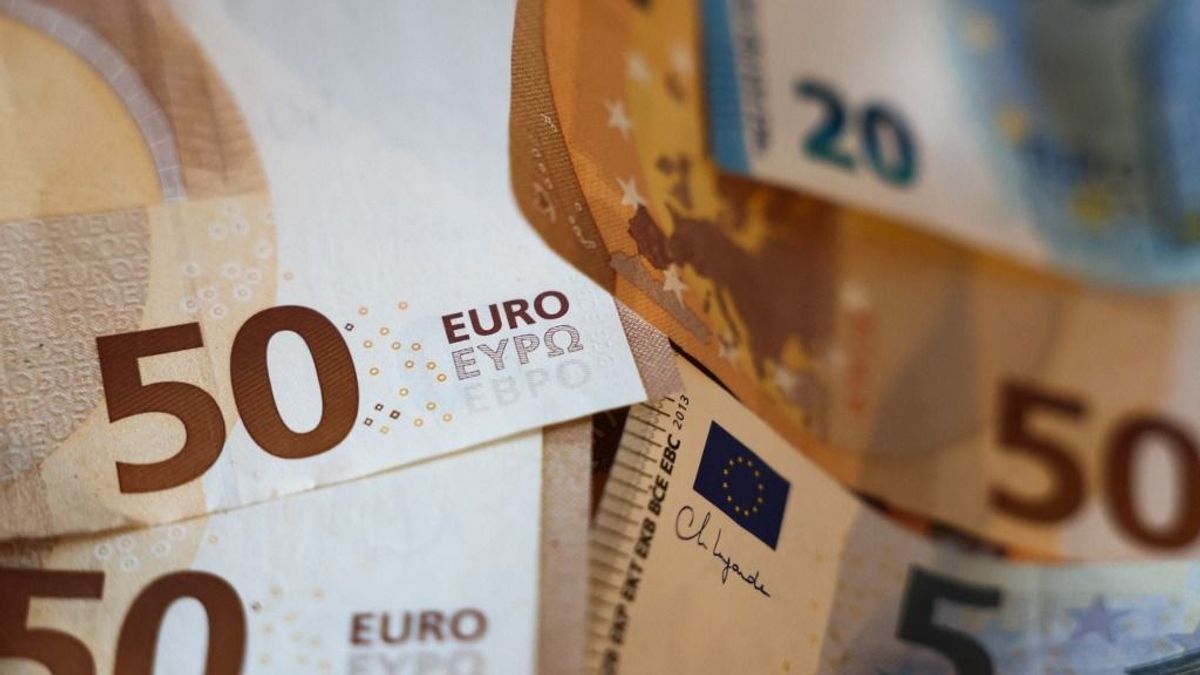
Billions for Ukraine: Aid and Indebtedness on the Brink
Translated from Hungarian, summarized and contextualized by DistantNews.
TLDR
- Ukraine has received substantial financial aid, including loans and grants, from international organizations, countries, and the European Union.
- Much of this financial assistance has been in the form of loans and credits, alongside non-repayable grants.
- The article questions the economic and geopolitical price Ukraine may pay for this extensive support.
Magyar Nemzet's analysis delves into the complex financial landscape surrounding Ukraine's wartime economy. While international support, encompassing loans, credits, and grants from various entities including the EU, has been crucial for Kyiv, our focus is on the long-term implications of this dependency.
We are examining the 'price' of this aid, not just in monetary terms but in its broader economic and geopolitical consequences for Ukraine. The reliance on external funding, particularly loans, raises critical questions about national sovereignty, future economic policy, and the potential for accumulating unsustainable debt.
From our perspective in Hungary, understanding the sustainability and the true cost of this aid is paramount. It's essential to consider how these financial inflows shape Ukraine's future trajectory and its relationship with international creditors and donors. This is not merely about the immediate relief provided but about the structural economic shifts and potential long-term burdens Ukraine is undertaking.
DistantNews Editorial
Originally published by Magyar Nemzet in Hungarian. Translated, summarized, and contextualized by our editorial team with added local perspective. Read our editorial standards.
More Stories


From Our Blog

Countries Without a Free Press: What You Need to Know

What Press Freedom Means for the News You Read

What Gets Lost (and Found) When News Is Translated

The Critical Role of Diaspora Media in Global News

What Travellers Should Know About Countries with Restricted Press
