

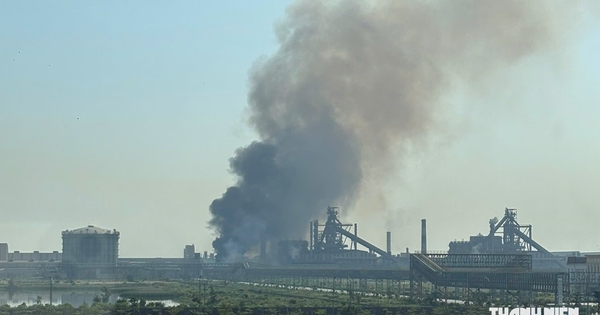

Biofuel gasoline: Impacts thoroughly assessed
Translated from Vietnamese and summarized by DistantNews. Read the original for the full story.
At a glance
News
Named sources
Context piece
- Vietnam is transitioning to E10 gasoline to reduce environmental emissions and dependence on imported fossil fuels, promoting domestic biofuel consumption.
- The Ministry of Industry and Trade assures the transition, set for June 1, 2026, is based on sustainable development and international commitments, not to restrict consumer choice.
- Officials state E10 has been thoroughly evaluated for compatibility with most current vehicles and its negative impacts are minimal, with ongoing checks on quality and supply.
Vietnam is set to fully replace conventional gasoline with E10 biofuel starting June 1, 2026. This strategic shift aims to reduce environmental emissions, decrease reliance on imported fossil fuels, and boost the domestic biofuel industry. The move is framed as essential for sustainable development, energy security, environmental protection, and meeting Vietnam's international commitments to cut greenhouse gas emissions. Dr. Dao Duy Anh, Deputy Director of the Department of Innovation, Green Transformation, and Competitiveness under the Ministry of Industry and Trade, clarified that the transition is not an imposition on consumers but a necessary step for national progress. He assured that the infrastructure for blending and distributing E5 and E10 gasoline adheres strictly to national technical standards, with regular inspections by relevant ministries and local authorities. Concerns about maintaining a variety of fuel options have been addressed by officials. While parallel use of different fuel types was previously employed to ease public adaptation, Dr. Duy Anh explained that maintaining too many fuel types long-term creates logistical inefficiencies and distribution challenges. He emphasized that E10 has been extensively studied and tested, proving compatible with the majority of vehicles currently in circulation. The use of E10 is expected to reduce environmental pollution, lessen dependence on imported fossil fuels, and create a market for domestic agricultural products used in biofuel production. "This is not simply a change of gasoline type, but a necessary step in the process of green energy transition, moving towards a low-emission economy and the country's sustainable development," Dr. Duy Anh stated. The ministry plans a gradual implementation, with thorough impact assessments, and will collaborate with other agencies and businesses to ensure a stable supply, fuel quality, consumer protection, and transparent communication to build public confidence.
The implementation of the roadmap for using biological gasoline (E10) is not an imposed decision or aimed at restricting people's choices, but stems from the requirements of sustainable development, ensuring energy security, protecting the environment, and fulfilling Vietnam's international commitments on reducing greenhouse gas emissions.
About this summary
Originally published by Tuổi Trẻ in Vietnamese. Translated, summarized, and contextualized automatically by DistantNews, with a note on how the source frames the story. Not individually reviewed before publishing. How this works.
More Stories
From Our Blog

News in Translation: What Gets Lost, and How We Keep the Framing

Diaspora Media: How Communities Abroad Follow Home

Traveling Where the Press Is Not Free: How to Read the News There

The Digital Nomad's Guide to Local News

The Same Story, Different Countries: How Coverage Changes at the Border
